A child’s first year marks not just their beginning,
but the unfolding of a universe previously unknown.
I’m sure most people would agree that having a child turn one marks a significant milestone in their life journey and is definitely something to be proud of as a parent.

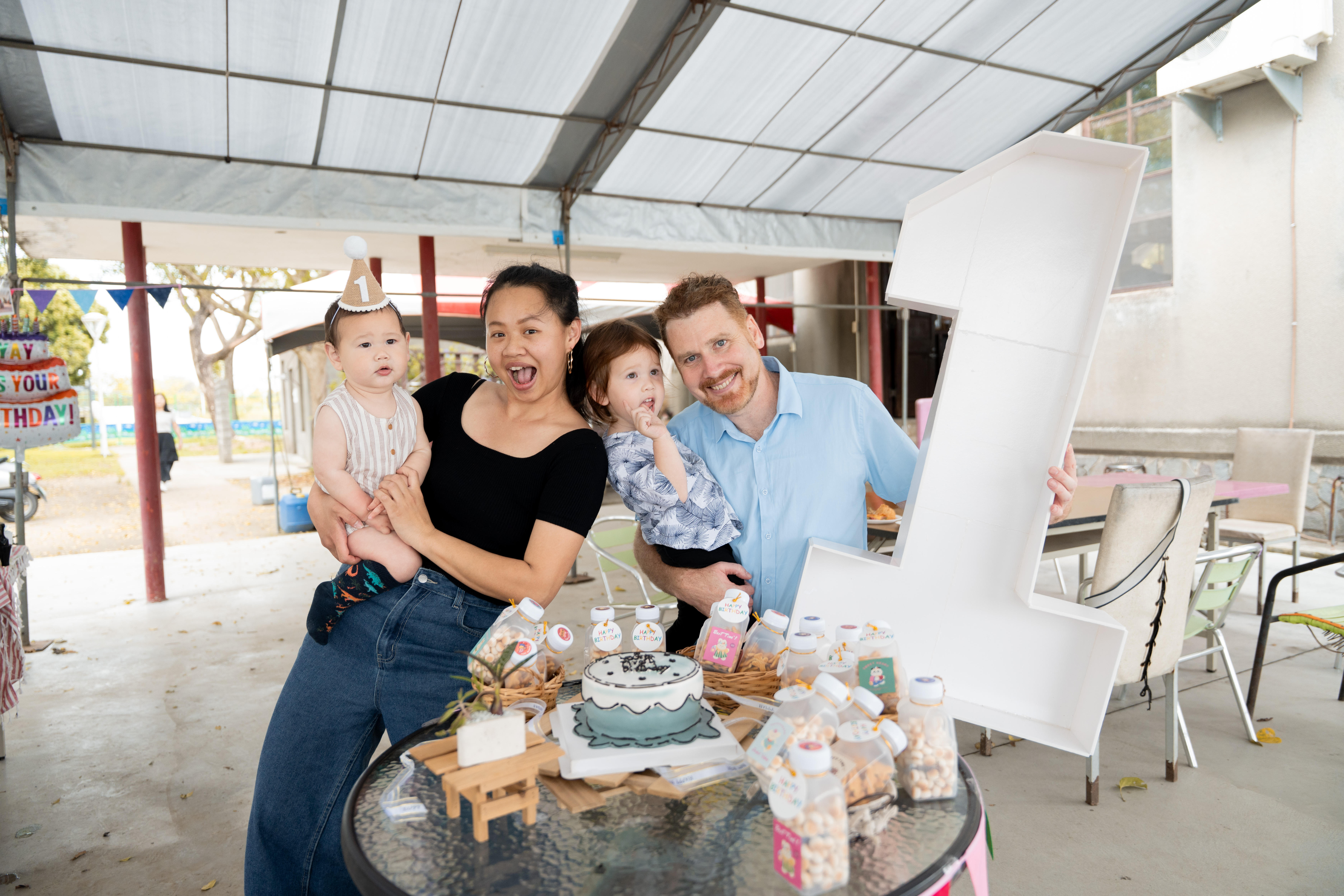
While the first year of a baby’s life is great, let’s be honest: It is mostly just drinking milk, sleeping, and getting used to some basic bodily functions. I’m sure there’s a different timeline for every child, but when they get close to the year mark, I believe that you can really see their unique personality start to develop.
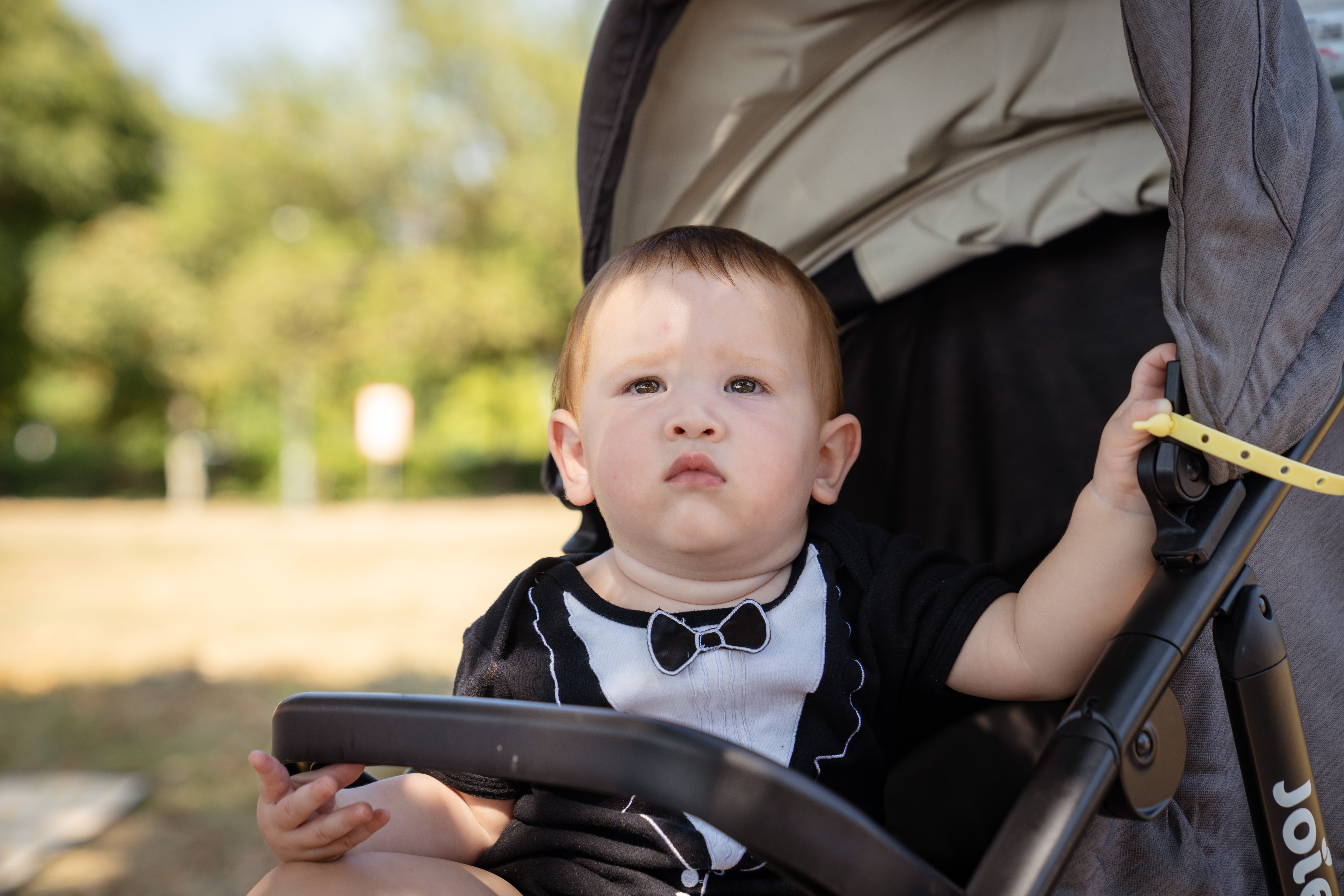
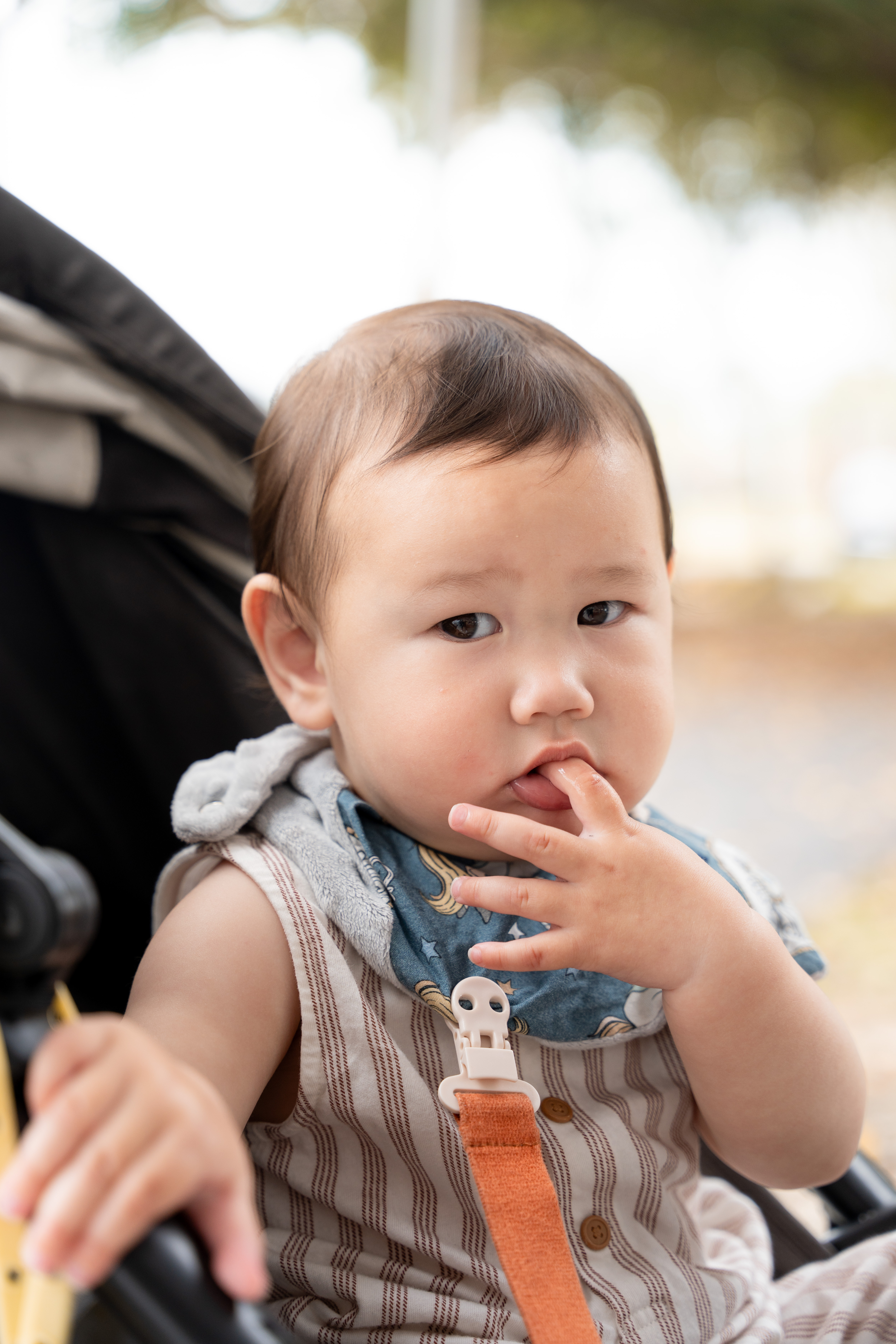
In different countries, a child’s first birthday is celebrated with varying practices that reflect values, traditions, and familial hopes for the child’s future. In Taiwan, the celebration of a child’s first birthday can hold profound cultural significance, featuring unique customs that have been preserved for generations.
Both of my boys have celebrated their first birthdays in Taiwan, and while we are not a very traditional family, we did host amazing celebrations each time. This post will examine an interesting historical tradition associated with a child’s first birthday, as well as share the fun that we have had.



The History of First Birthday Celebrations in Taiwan
A ceremony called Jah-Joe (抓週 – written in Pinyin as Zhuazhou) boasts a rich historical lineage stretching back over two millennia in Chinese culture, which has been preserved in Taiwanese traditions.

The practice originated during the Three Kingdoms period (220-280 CE), when families would place various objects before a one-year-old child to gain insight into their future inclinations.
Throughout the centuries, as dynasties rose and fell across China, this tradition evolved but maintained its core essence. When Chinese immigrants settled in Taiwan, particularly during the Ming and Qing dynasties, they brought this cultural practice with them.
Despite Taiwan’s complex political history, this ceremony has remained a steadfast element of Taiwanese cultural identity. Every time I have been to a child’s first birthday, this ceremony has been done, and we were sure to include it in both our boys’ birthdays.

Understanding the Ceremony: A Glimpse into a Child’s Future
It is remarkable how this tradition, like so many others in Taiwan, has adapted while preserving its essential meaning. Families continue to honor this ancient practice, viewing it as a meaningful connection to their cultural roots and an opportunity to gather in celebration of new life.
The Meaning Behind the Name
The term Jah-Joe (抓周) combines two Chinese characters that encapsulate the ceremony’s purpose: Jah (抓) means to grab or to seize, while Joe (周) refers to an anniversary or cycle.
There is a metaphysical underpinning of the tradition – the belief that even at such a young age, a child’s natural tendencies might manifest through their choices, guided perhaps by fate, gods, or innate disposition.
Traditional Items and Their Symbolic Meanings
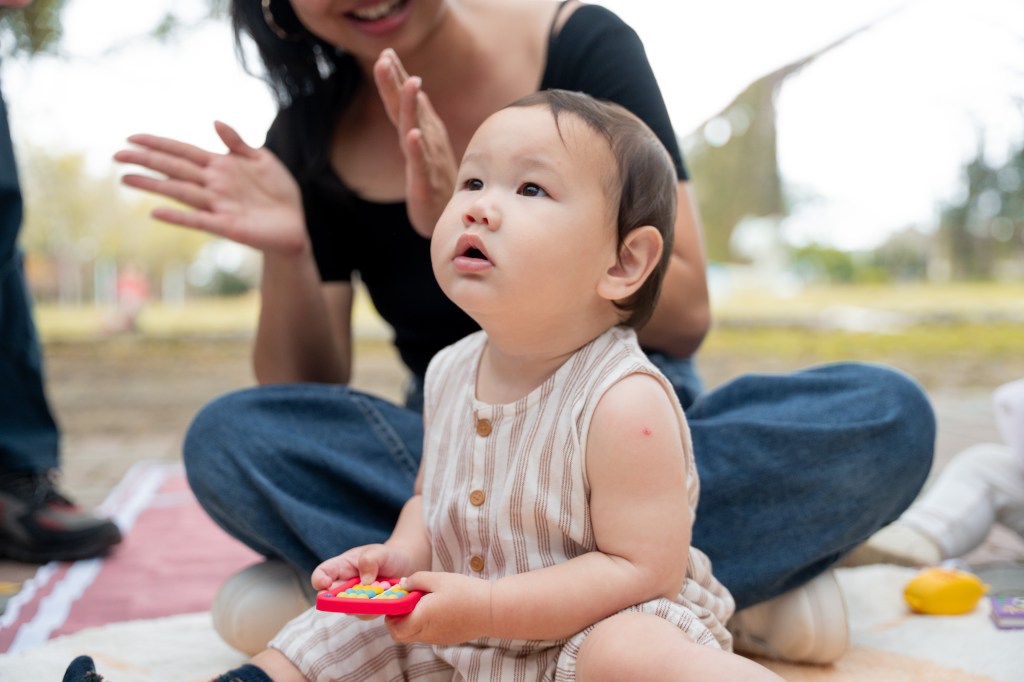
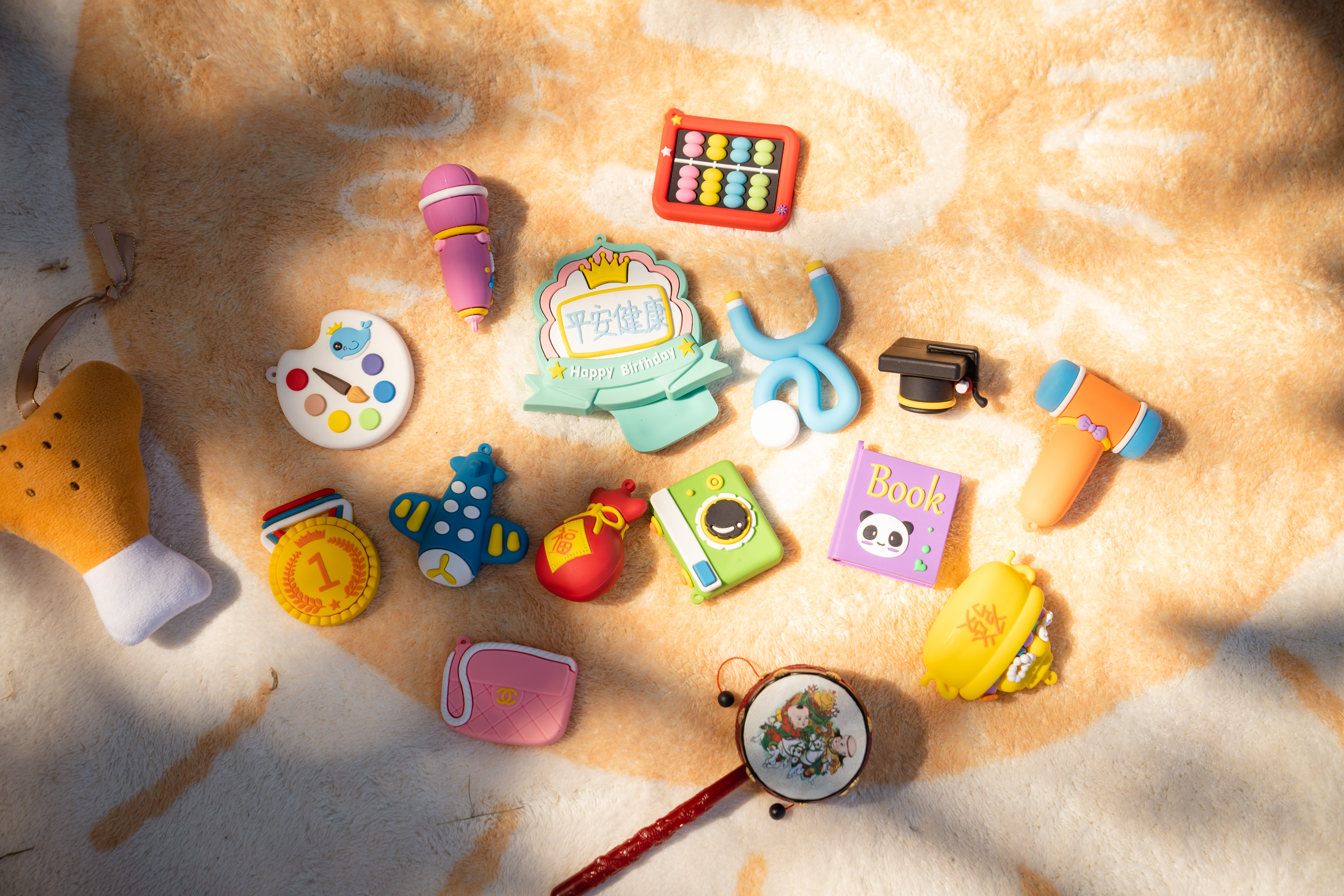
The ceremony centers around a carefully curated collection of objects, each with a symbolic significance. These items represent different professions, skills, or life outcomes that the child might pursue or experience.

Some of the common traditional items include:
- Abacus: Mathematical aptitude and potential success in business, finance, or commerce. A child who chooses the abacus might grow up to be financially astute or possess strong numerical abilities.
- Calligraphy brush: Literary talent, artistic ability, or scholarly pursuits. In traditional Chinese culture, scholars were highly respected, making this a particularly auspicious choice.
- Book: Educational achievement and wisdom. This choice suggests the child may excel academically or pursue knowledge-intensive professions.
- Stethoscope or medicine container: Healthcare, suggesting the child might have a future in medicine, healing, or caregiving professions.
- Green onion: In Mandarin, green onion – tsong (蔥) sounds very similar to intelligence (聰), making this item a symbol of cleverness and quick-wittedness.
- Camera: Perception and artistic vision. Beyond the obvious connotation that the child may be a photographer or filmmaker, the camera symbolizes the act of capturing moments and preserving memories in any form.
- Rice or glutinous rice ball: Abundance, never going hungry, and prosperity throughout life.
- Chicken leg or meat: Physical strength, good health, and a life free from want.
- Coin or money: Wealth and financial security.
- Ruler or measuring tape: Precision, attention to detail, and potential careers in design, architecture, or engineering.
- Seal or stamp: Traditionally symbolizing governmental positions or authority, reflecting the prestige associated with civil service in historical Chinese society.
- Musical instrument: Artistic talent and potential success in the performing arts.
Families often customize these items based on their values, aspirations for the child, or regional variations of the tradition. Some may include items that represent family businesses or professions, creating a more personalized experience.
Right before Isaiah picked his items, I sneakily added a toy cap gun. This was largely ignored by both my son and the guests, so I didn’t repeat the prank at Leon’s party (actually, I just couldn’t find the toy gun).
The Process: From Preparation to Interpretation
You’ve probably gotten the gist of it now; it is neither a difficult nor an elaborate process:
1. Arrange the items in a circle.
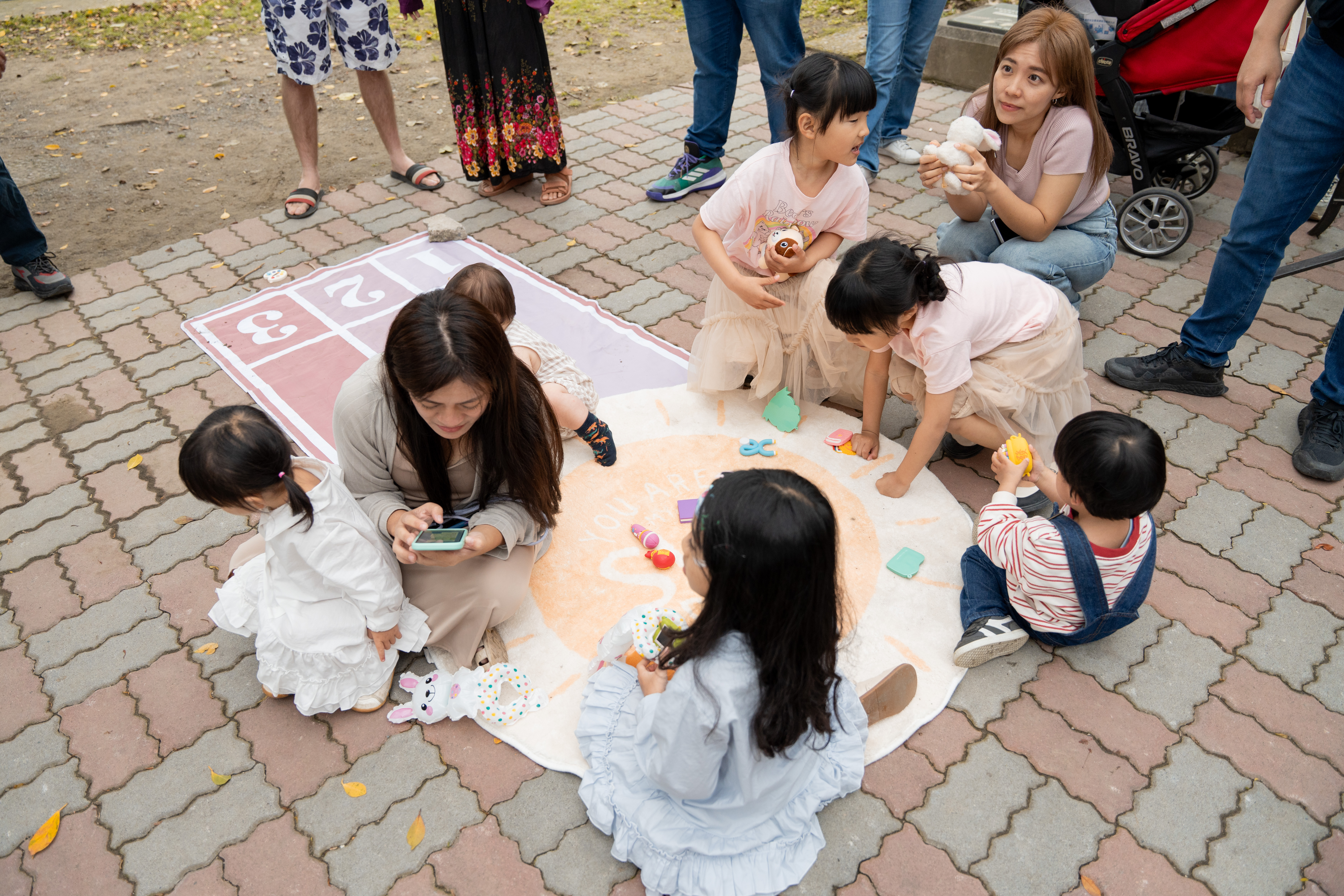
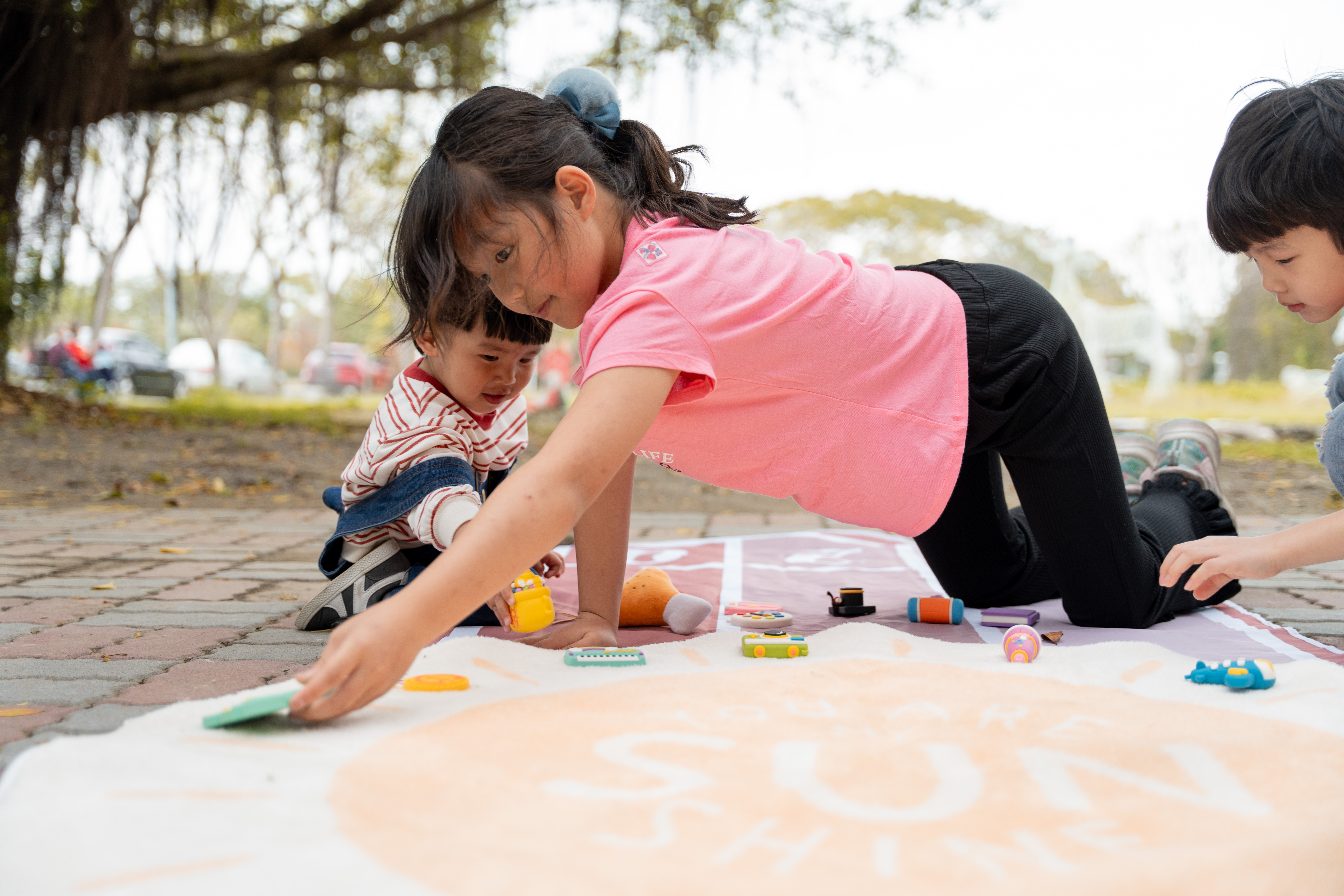
2. Prepare the child for all the fun they are about to have.


3. Herd the child toward the circle.

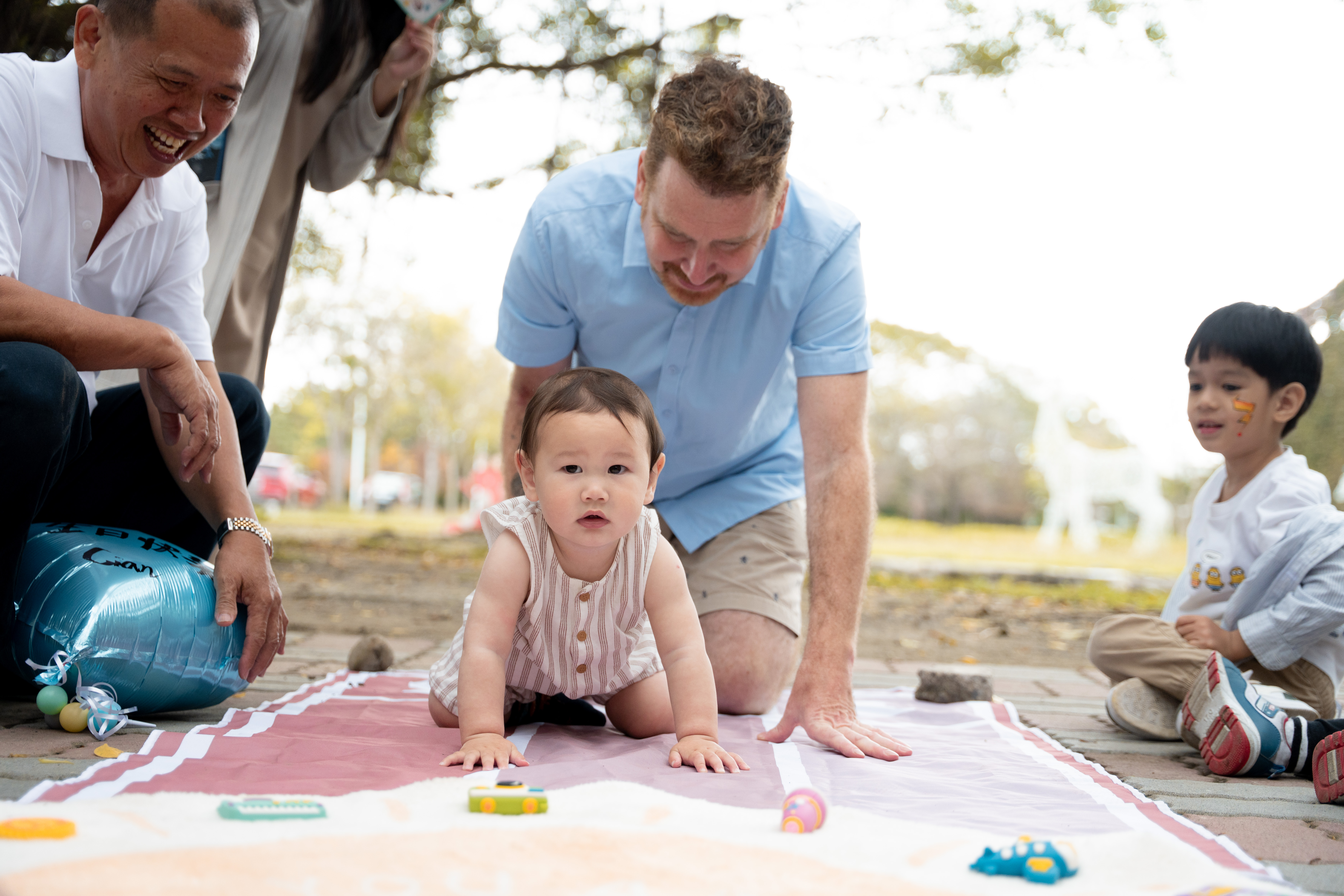
4. Let the selection begin!


Our kids picked three things each; I believe some people do more or less.

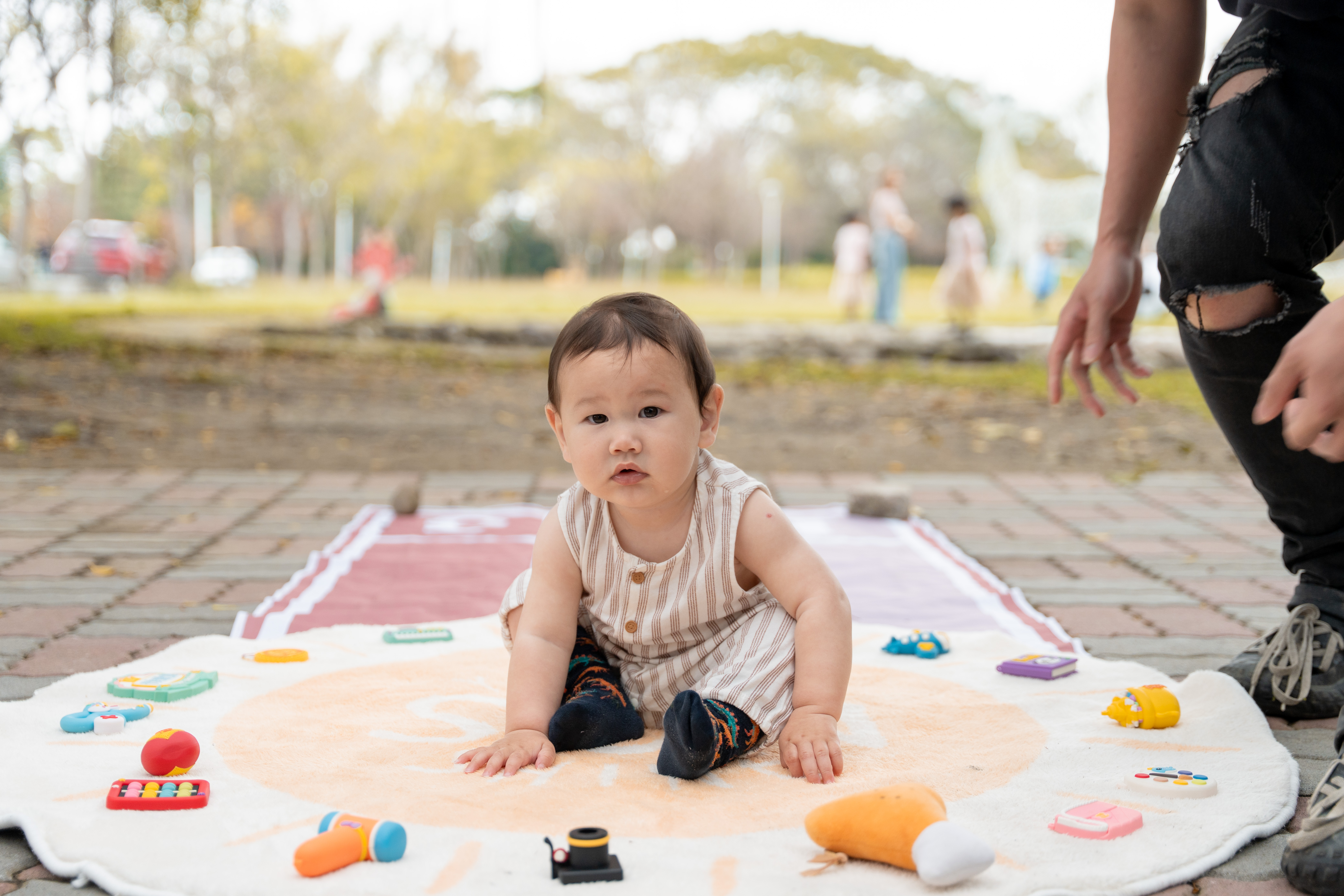
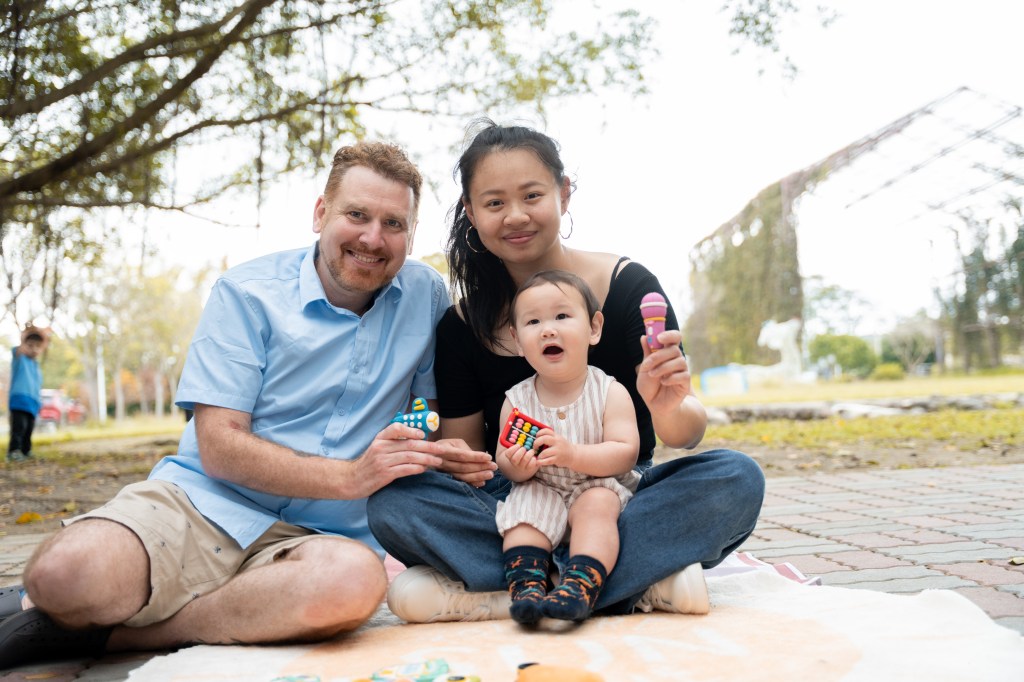
Isaiah chose the abacus first, showed a bit of interest in the piano/keyboard, and then moved on to grab the camera and the book.
Leon also chose the abacus first. Then, he picked up the microphone and the airplane while showing some interest in the artists palette.
For those of you who want to learn more about the traditional ceremony, read on. For those of you more interested in what we got up to, skip ahead to the next section.
The Jah-Joe ceremony traditionally follows a structured process that enhances its ritual significance:
- Preparation: Families select a propitious time for the ceremony, often consulting traditional calendars or fortune tellers. The venue is usually the family home, particularly the living room or a specially designated area, though modern families sometimes opt for specialized cultural centers or restaurants.
- Arrangement: The selected items are arranged on a clean mat or table, usually in a circular pattern to symbolize completeness. Red, the color of good fortune in Chinese culture, often features prominently in decorations.
- The Selection: The one-year-old child is placed in the center of the arranged items. Family members gather around, often creating an encouraging atmosphere with gentle prompting. The first item (or sometimes three items) that the child reaches for and grasps is considered most significant.
- Interpretation and Celebration: Once the child makes their selection, family members respond with excitement and discuss the implications of the chosen item(s). This moment is filled with joy, laughter, and sometimes playful debate about what the choice might mean for the child’s future.
- Documentation: In contemporary celebrations, the entire process is usually photographed or recorded, creating lasting memories of this cultural milestone. In the past, the results were often written down.
The interpretation of the child’s choices can be both serious and lighthearted – while members of the older generation might genuinely believe in the predictive aspects of the ceremony, there’s also an understanding that the child’s future remains open to many possibilities. We didn’t have any seniors at either of the parties, so we did it just for fun.
Evolution of Venues and Settings
While traditionally held in family homes (or in our case, the local park). There has been an emergence of specialized venues for Jah-Joe ceremonies. Cultural centers like the Luzhou Lee Heritage Residence in New Taipei City offer authentic settings for families wishing to perform the ritual in a traditional environment. These venues often provide guidance on the proper arrangement of items and may include educational components about the ceremony’s historical significance.
Upscale restaurants and hotels have also begun offering Jah-Joe as part of comprehensive first birthday celebration services, combining the traditional ceremony with modern party elements.
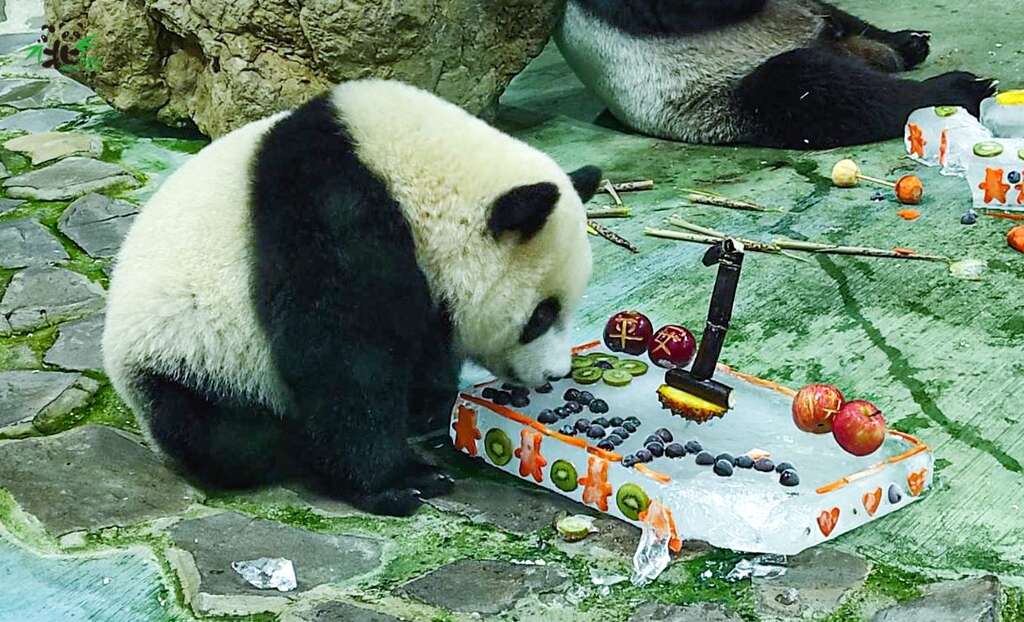
The Taipei Zoo even hosted one of these ceremonies for its new baby panda.
Contemporary Items Reflecting Modern Professions
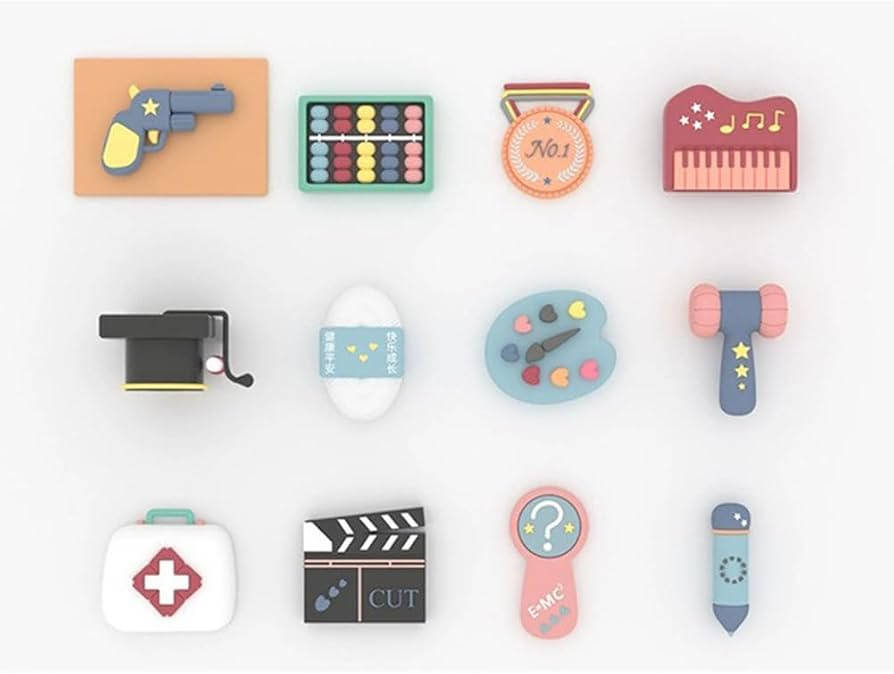
As already mentioned, the selection of objects that the child can choose from often varies from family to family. Modern additions often reflect contemporary career paths and societal values.
- Calculator or computer mouse: Representing careers in technology, programming, or digital industries.
- Sports equipment: Symbolizing athletic talents and potential careers in sports.
- Microphone: Suggesting public speaking abilities, broadcasting, or careers in communication.
- Airplane or globe: Symbolizing a future involving travel, exploration, or international relations.
- Paintbrush or art supplies: Indicating creative talents beyond traditional calligraphy.
Family Stories and Predictions Come True
Many Taiwanese families treasure stories about the predictions made during Jah-Joe that seemed to foreshadow their children’s actual life paths. A common narrative involves the child who grabbed a stethoscope and later became a doctor, the one who selected a calligraphy brush and went on to be a published author, etc.
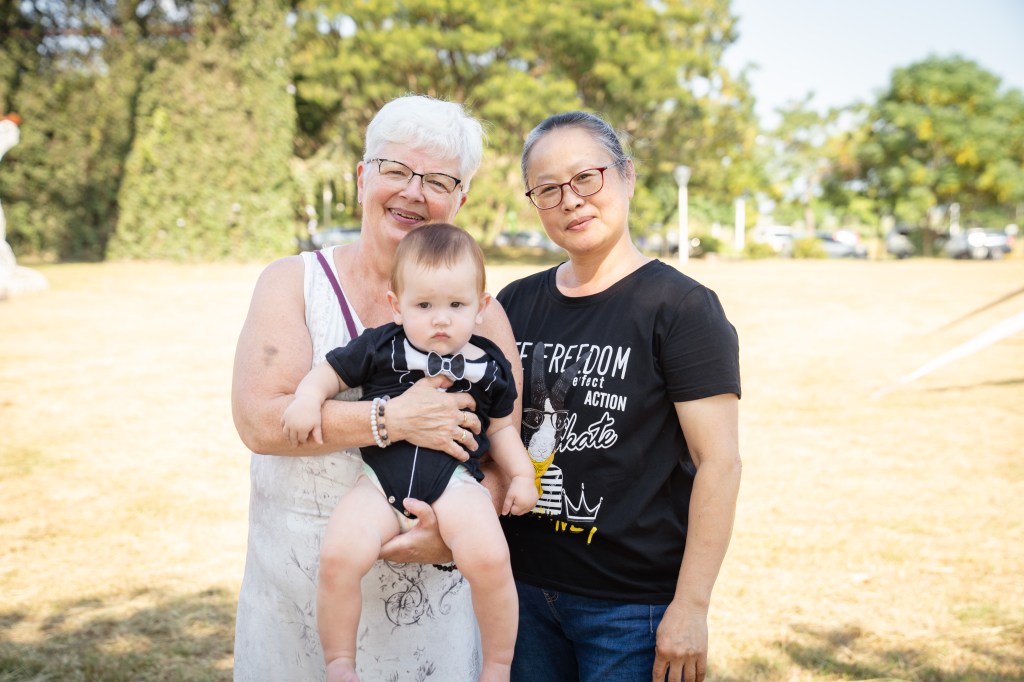
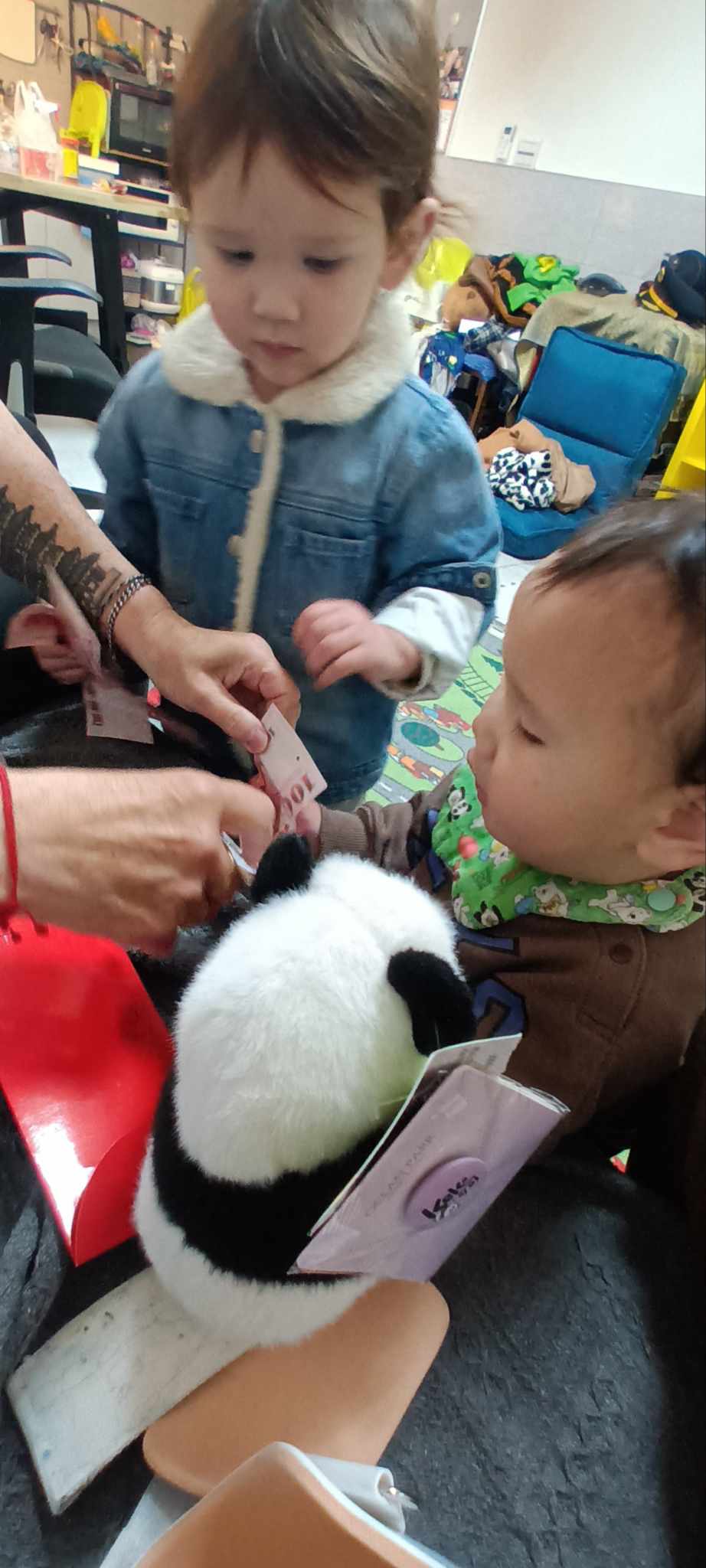
My mom, who was at Isaiah’s first birthday, was extremely happy that he picked the abacus. She was equally impressed when she heard Leon did as well. Whether they become accountants or not, it is nice to think that they might follow in her footsteps.
Contemporary parents in Taiwan often approach the ceremony with a blend of cultural respect and modern skepticism. Many perform the ceremony out of appreciation for tradition rather than strict belief in its predictive powers. This pragmatic yet respectful approach typifies how many young Taiwanese families engage with traditional practices in the 21st century.
The narratives created from this first birthday ceremony, whether coincidental or truly predictive, become part of a family’s story and reinforce the cultural significance of the tradition. In the end, isn’t all just about good family stories?
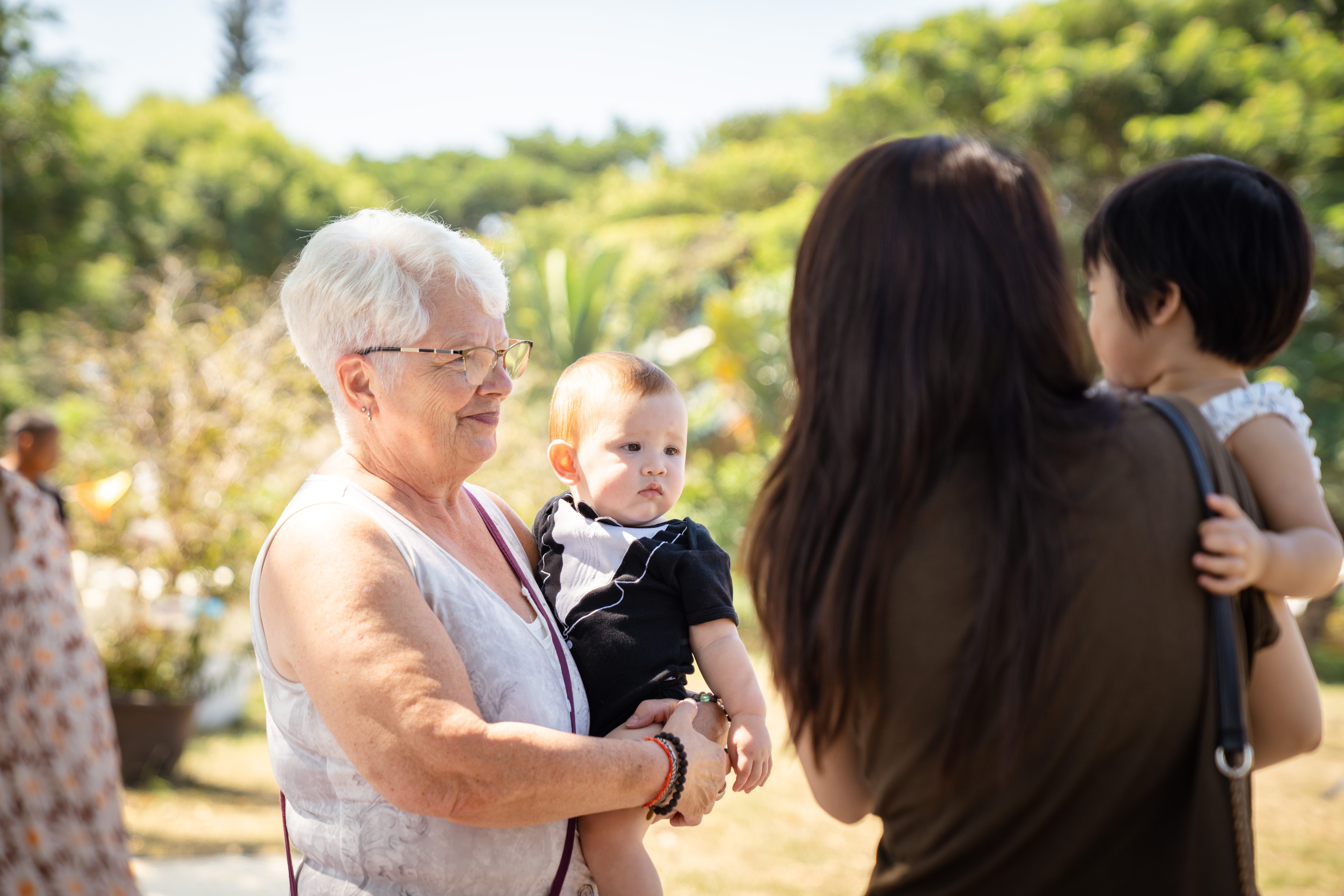


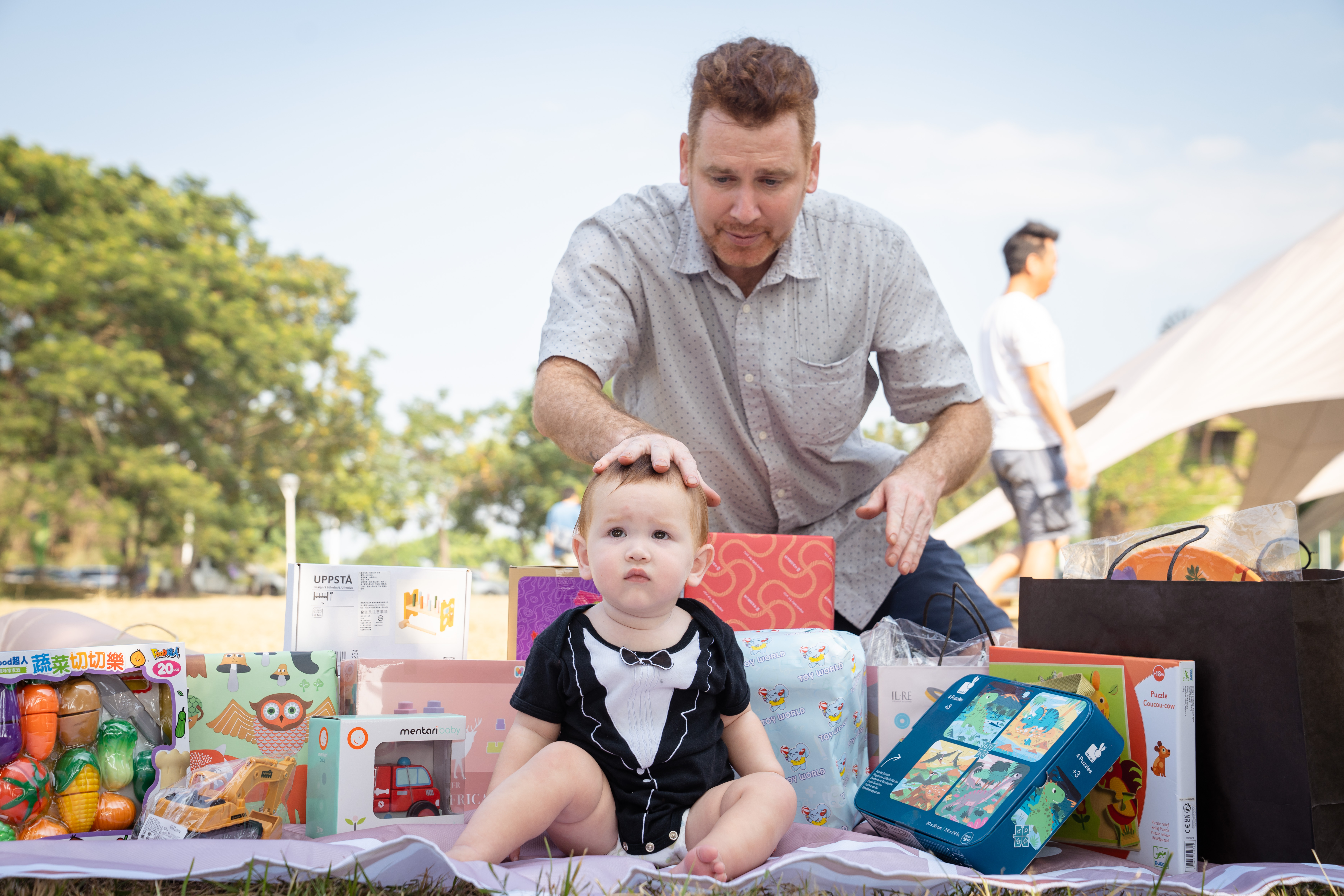
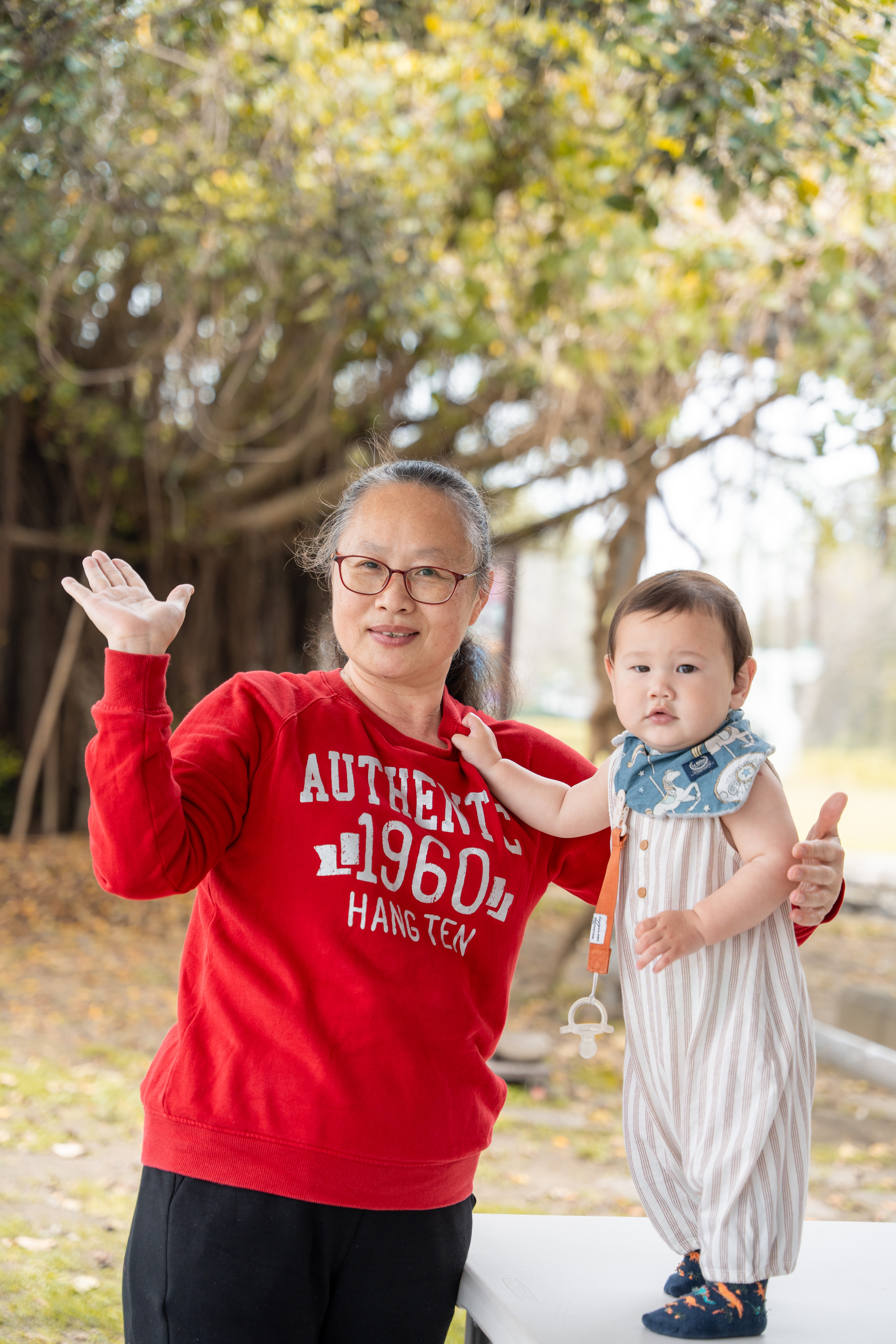
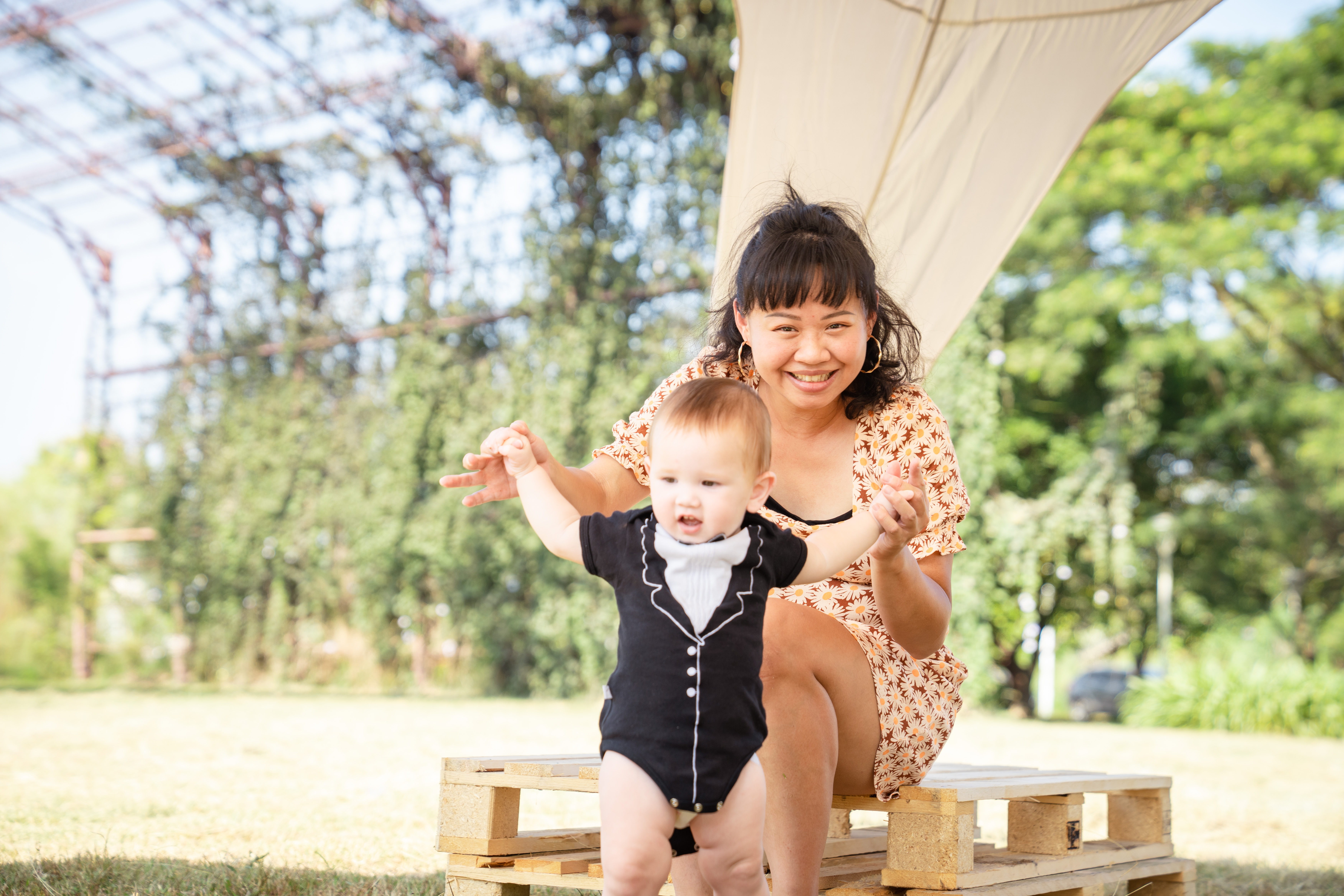
There are other Taiwanese birthday traditions, but I’ll save those for another post. Time to continue with more fun stuff.
The Witherington Way
Even though we don’t strictly follow tradition, we did want to have a grand time for both Isaiah’s and Leon’s birthdays; the ocassions had to include good people, good food, and good times.
Isaiah D. W. – November, 2023

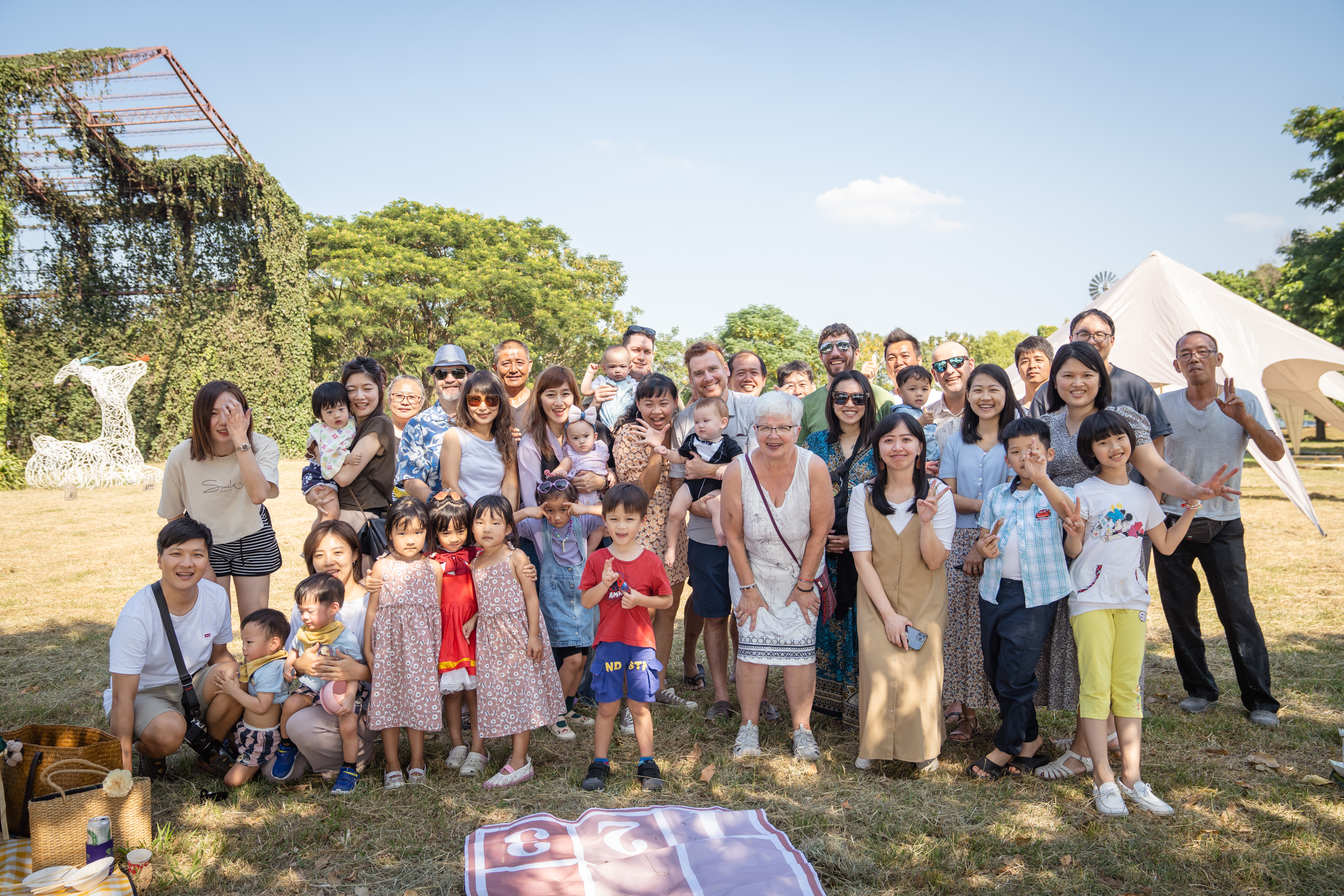
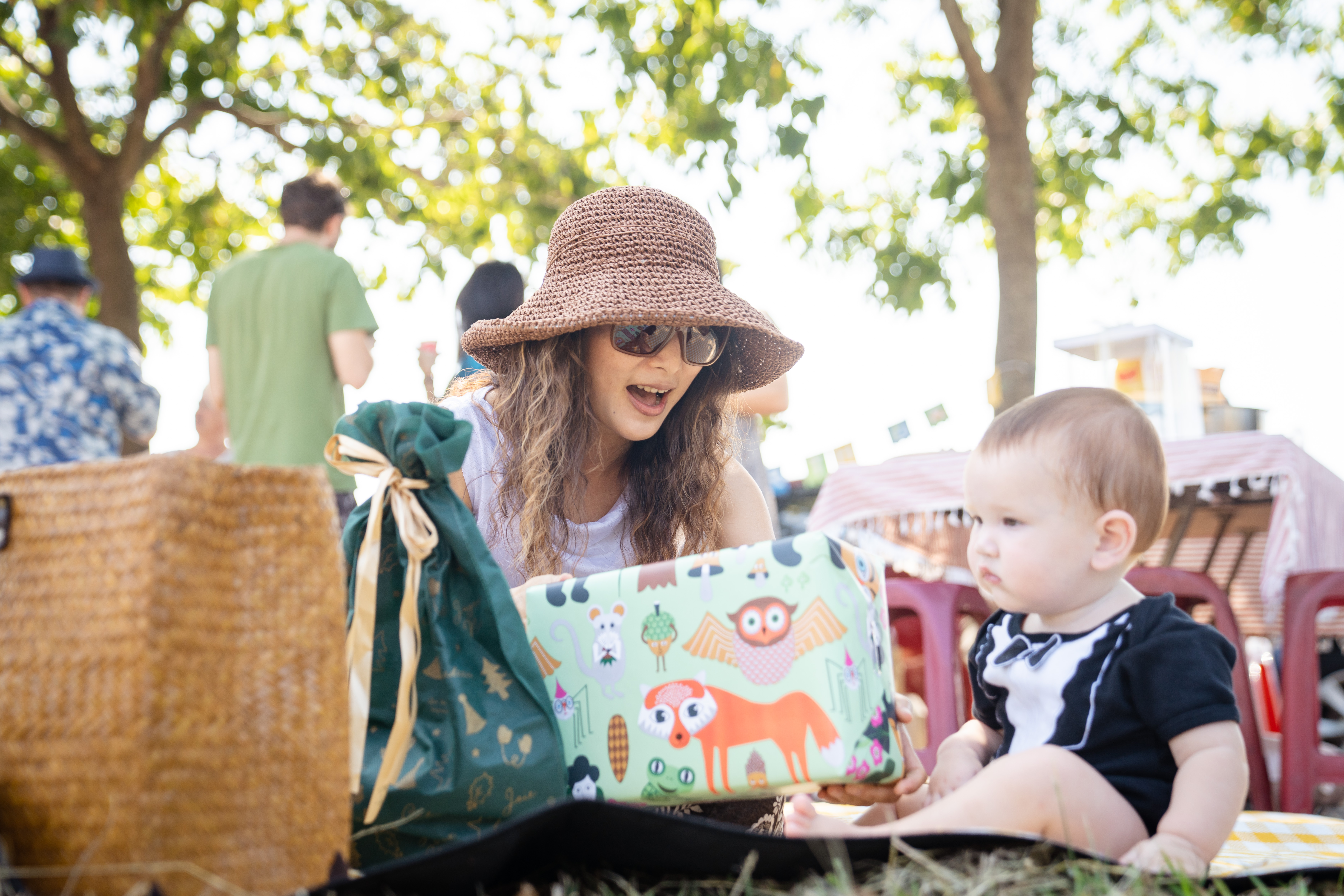
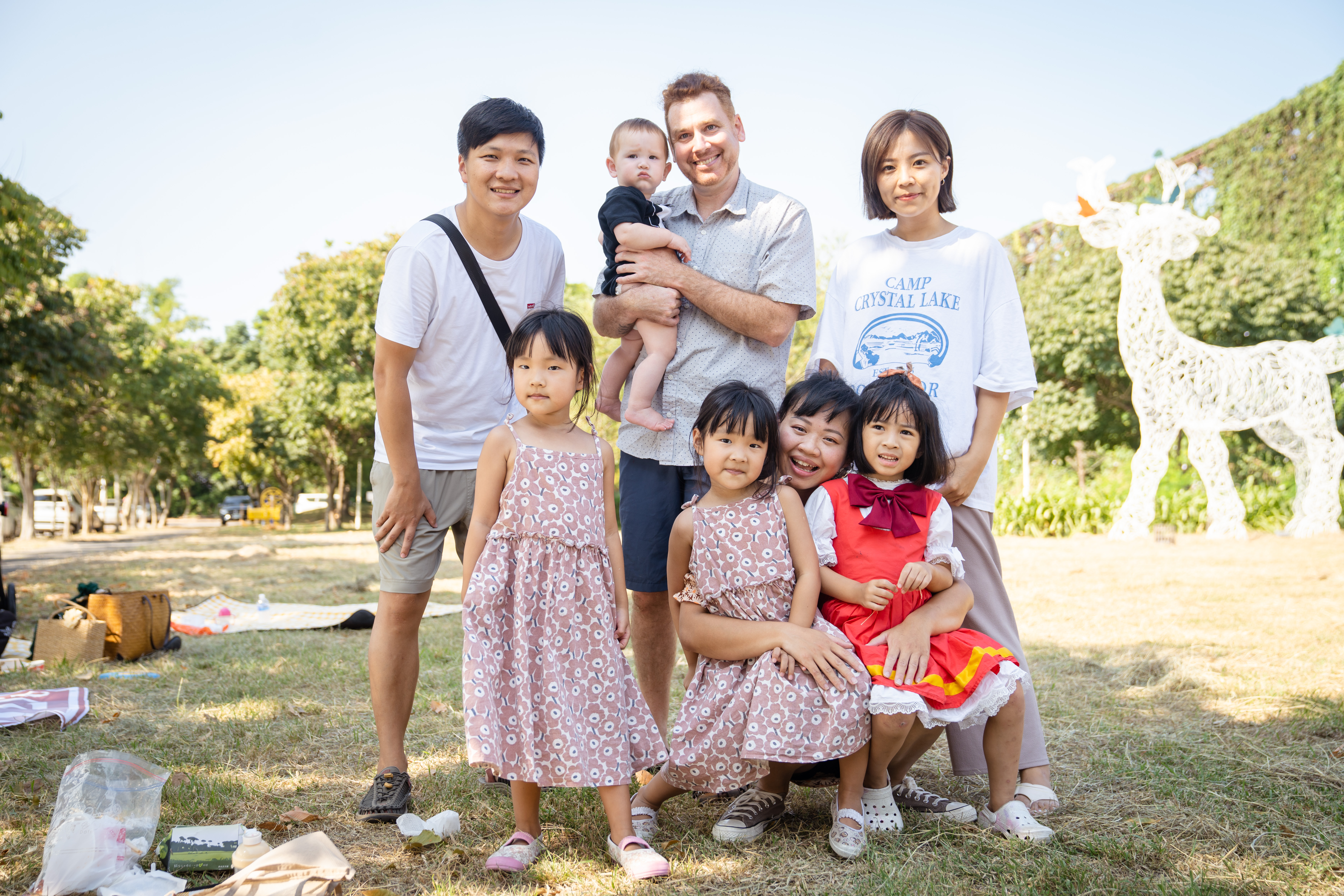
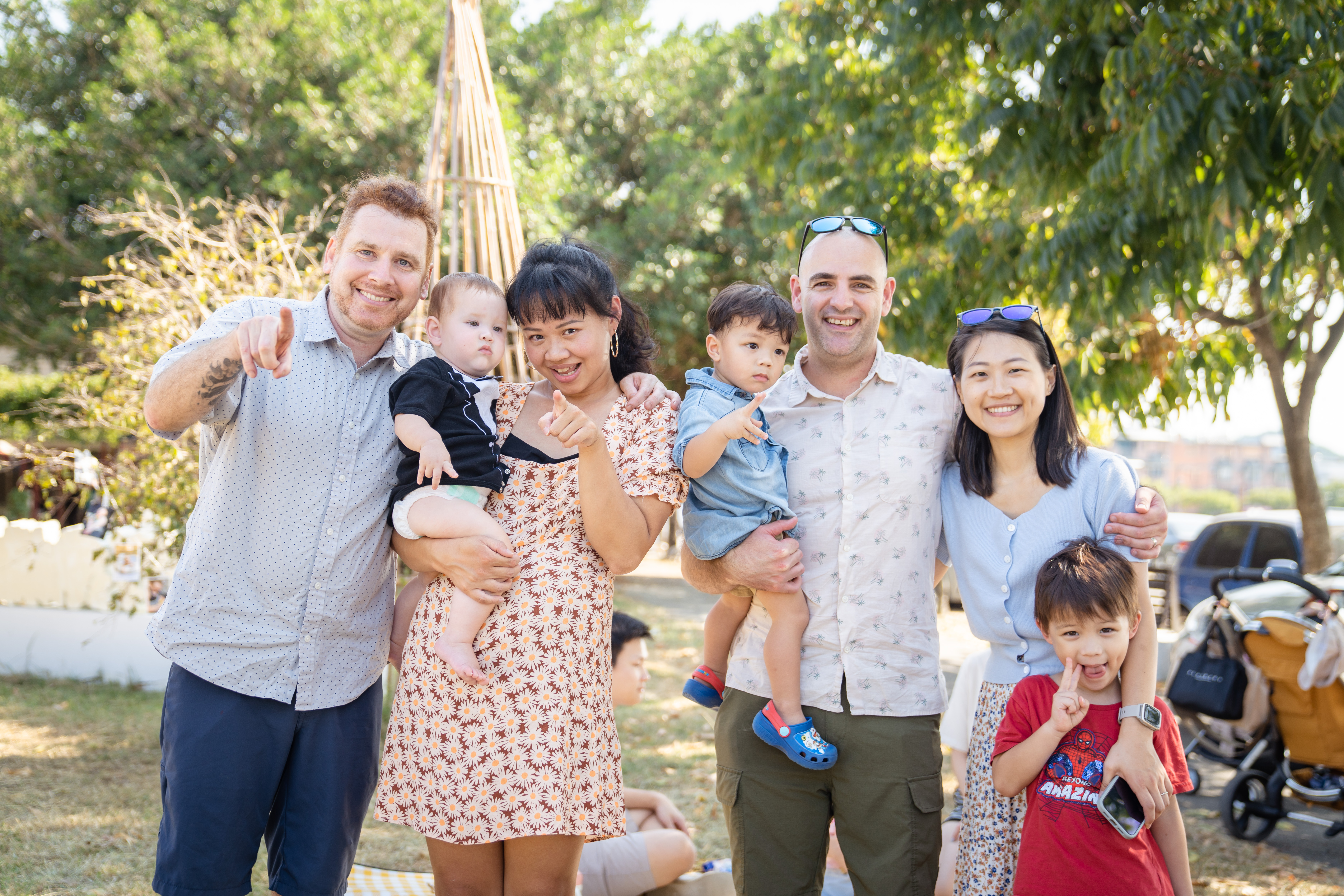
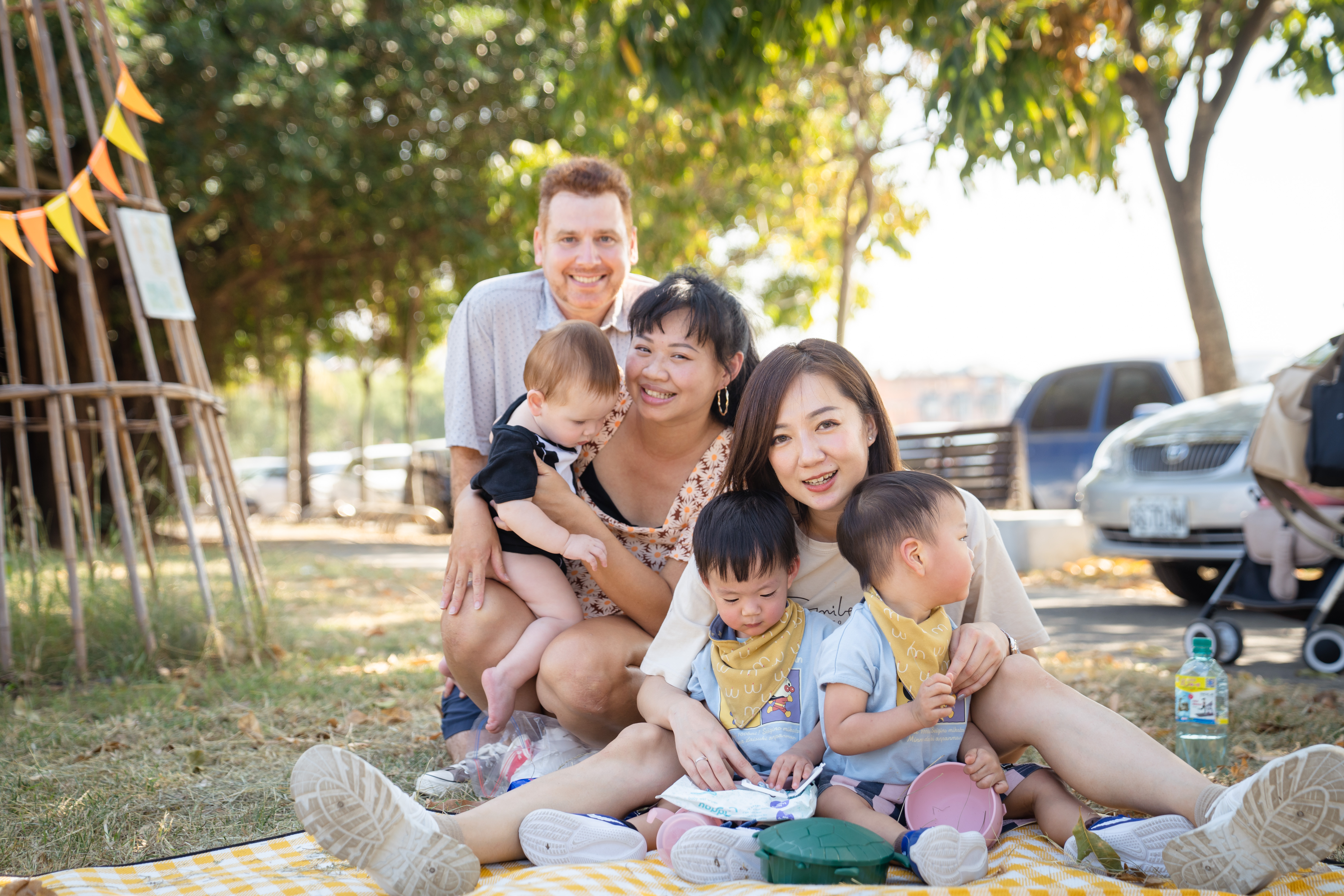
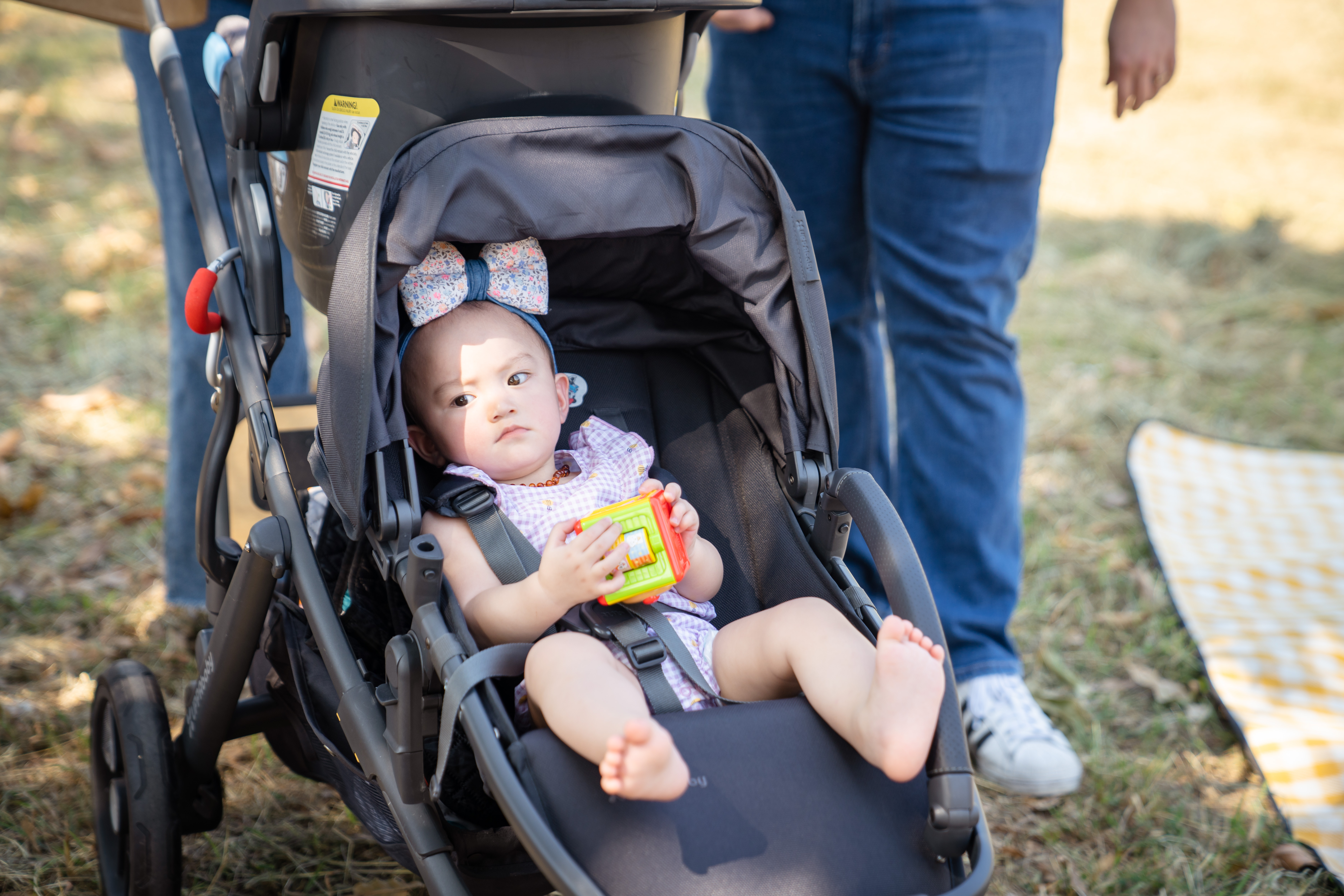
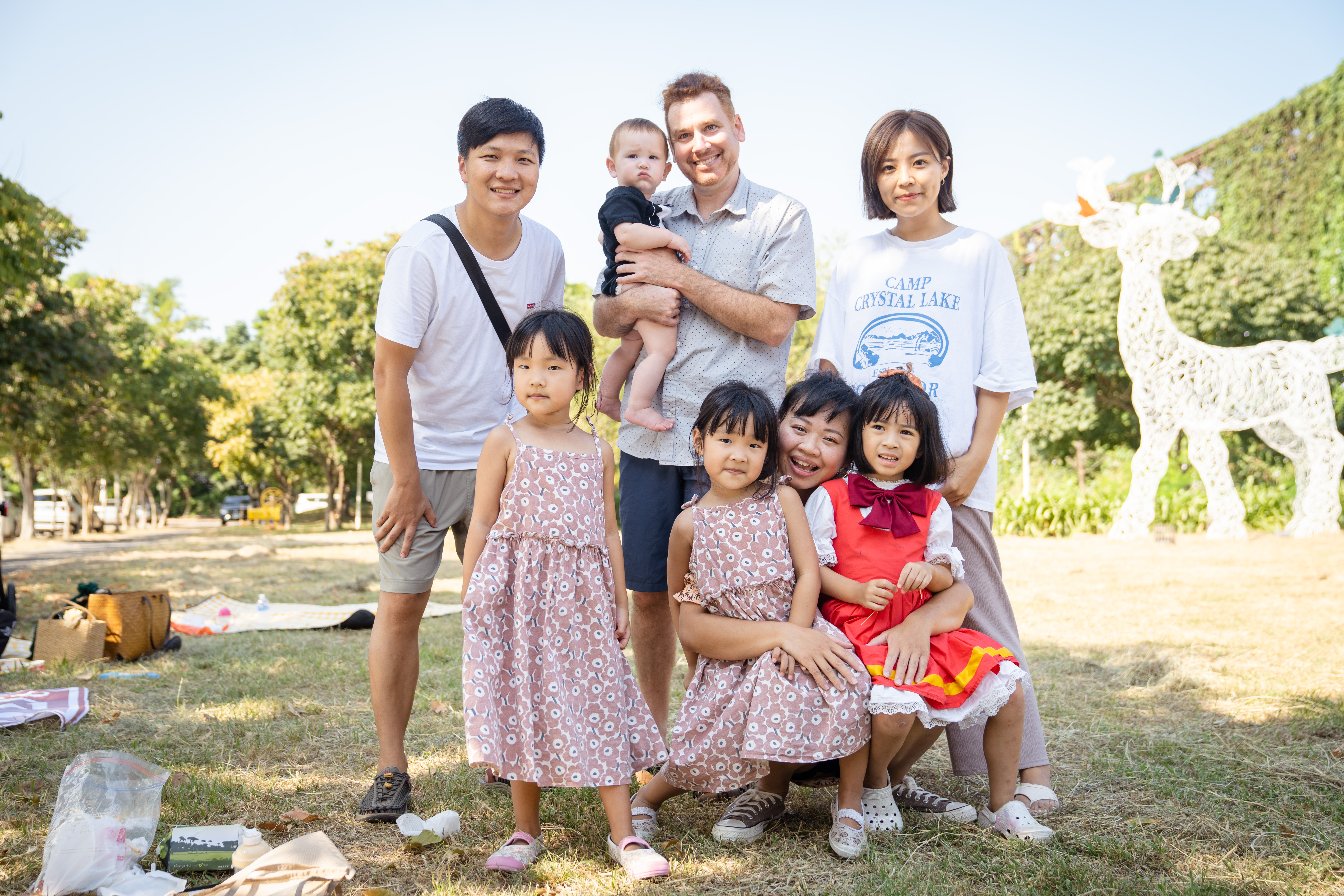
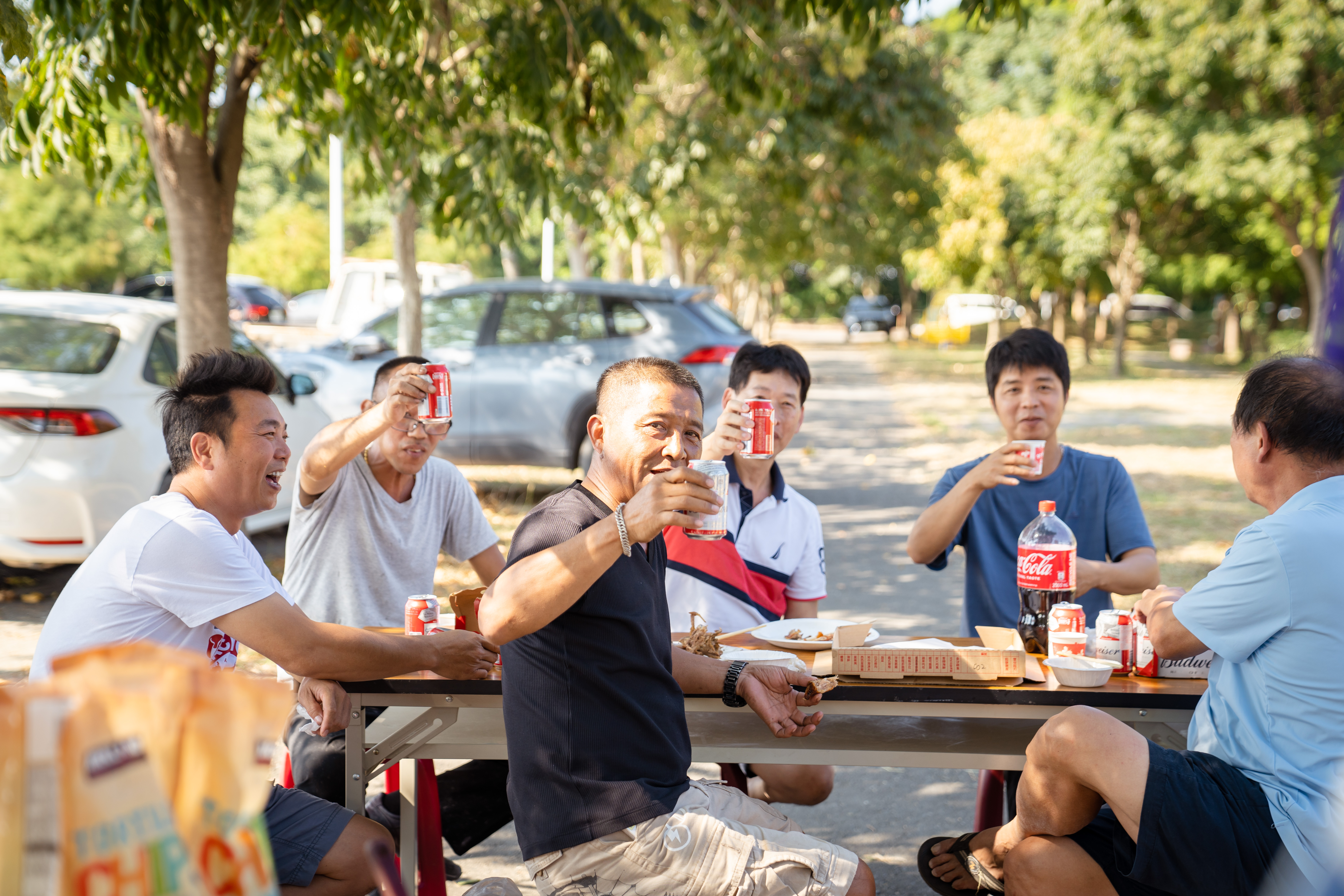
It was a beautiful sunny day for Isaiah’s first birthday, and we set up in Linneiyi Station, which is a lovely park right across the street from our house.
There is a restaurant in an old building there (it used to be the office for the Taiwan Mitsubishi Paper Mills Company). The manager is very nice and let us borrow stools and tables.
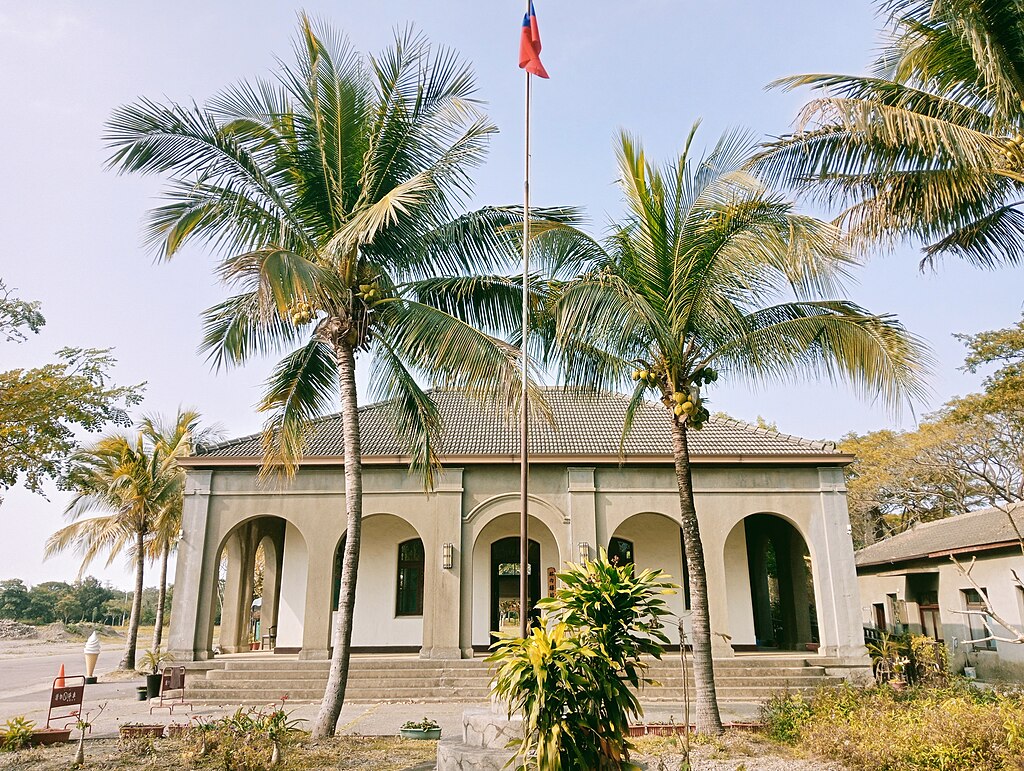
We brought a selection of food and snacks and ordered more from different restaurants nearby. We were sure to include chips and salsa (my favorite) and pizza (a favorite of almost any child, I reckon).


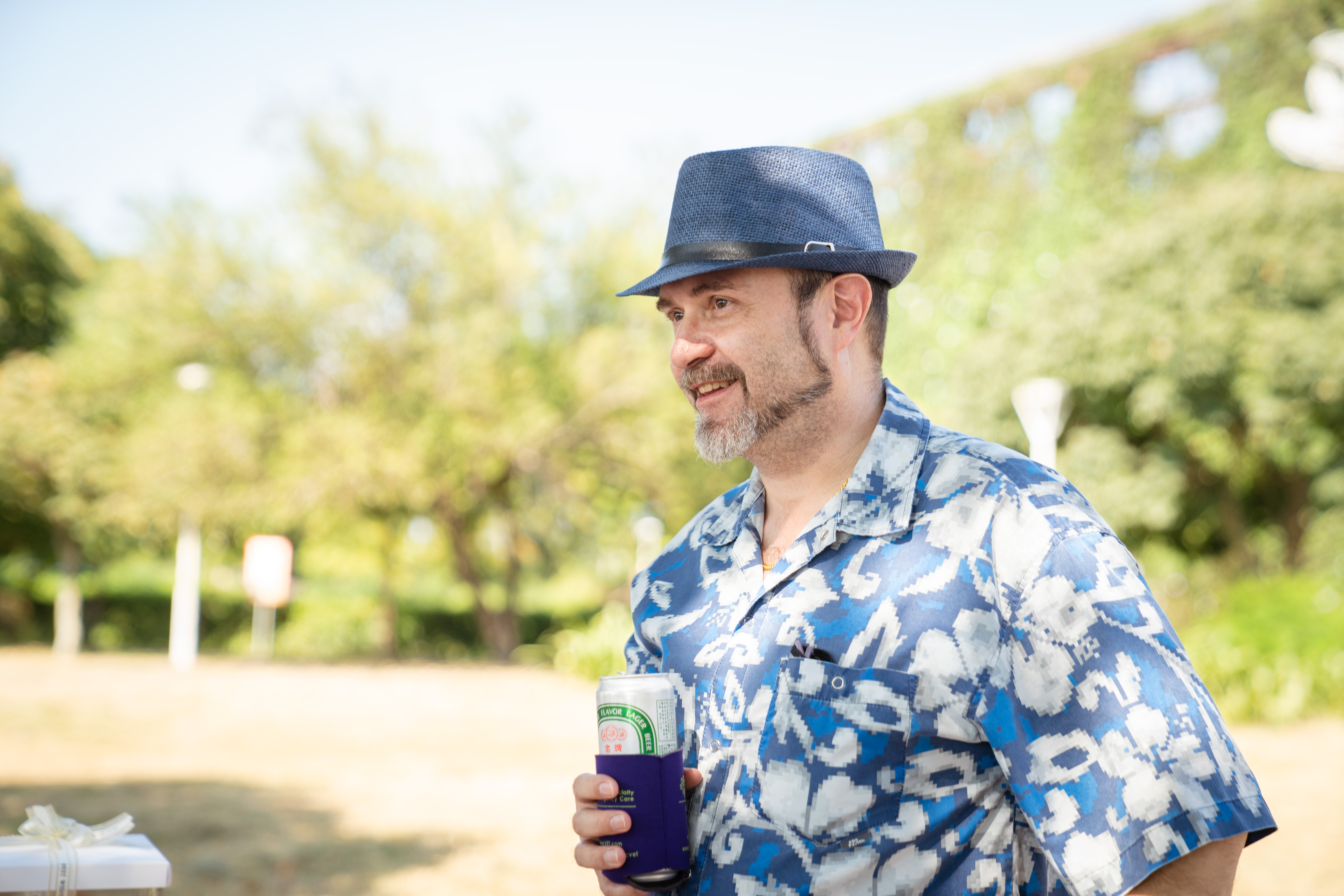
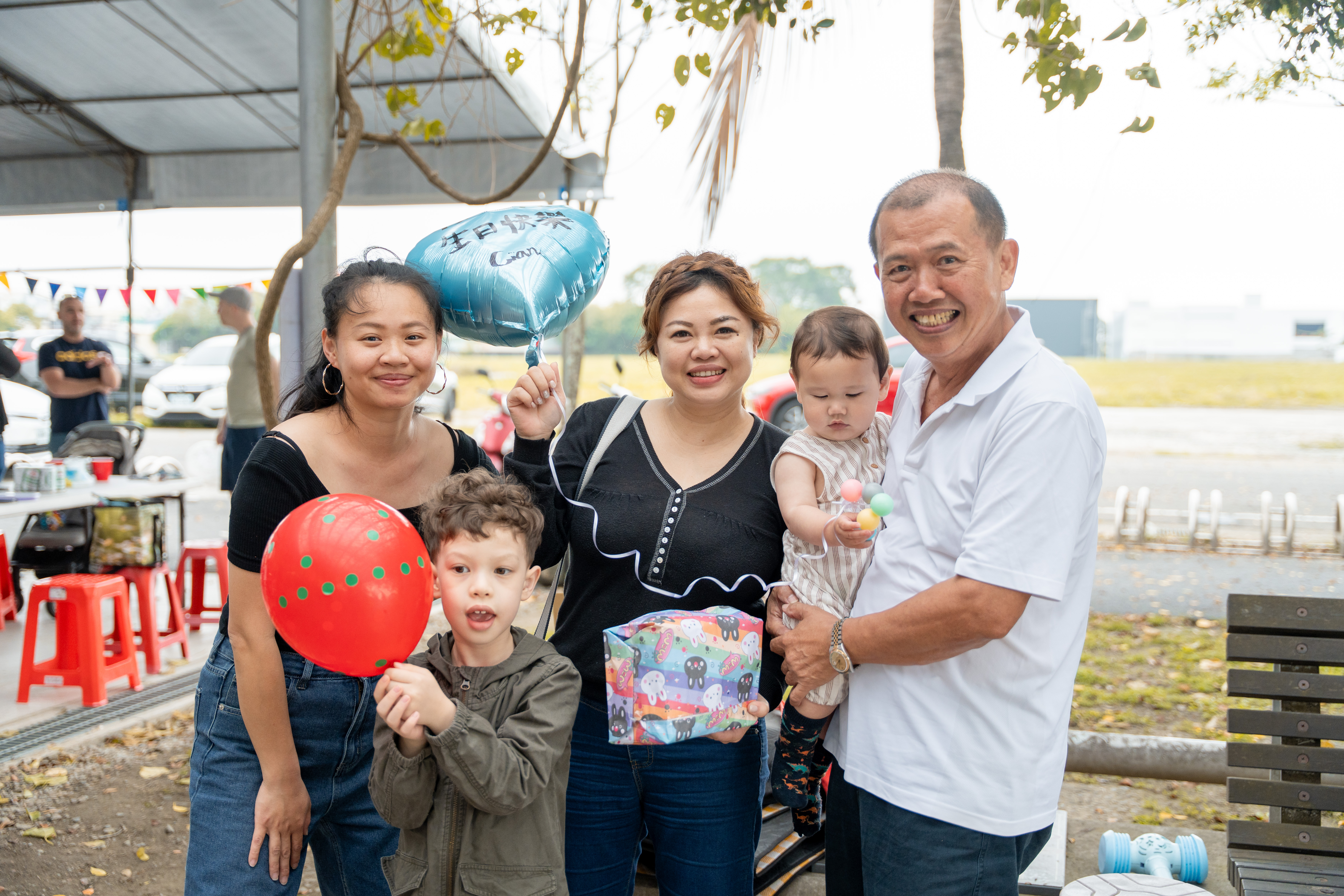
It wasn’t long before people started to arrive; Isaiah got some gifts and everyone enjoyed the feast.

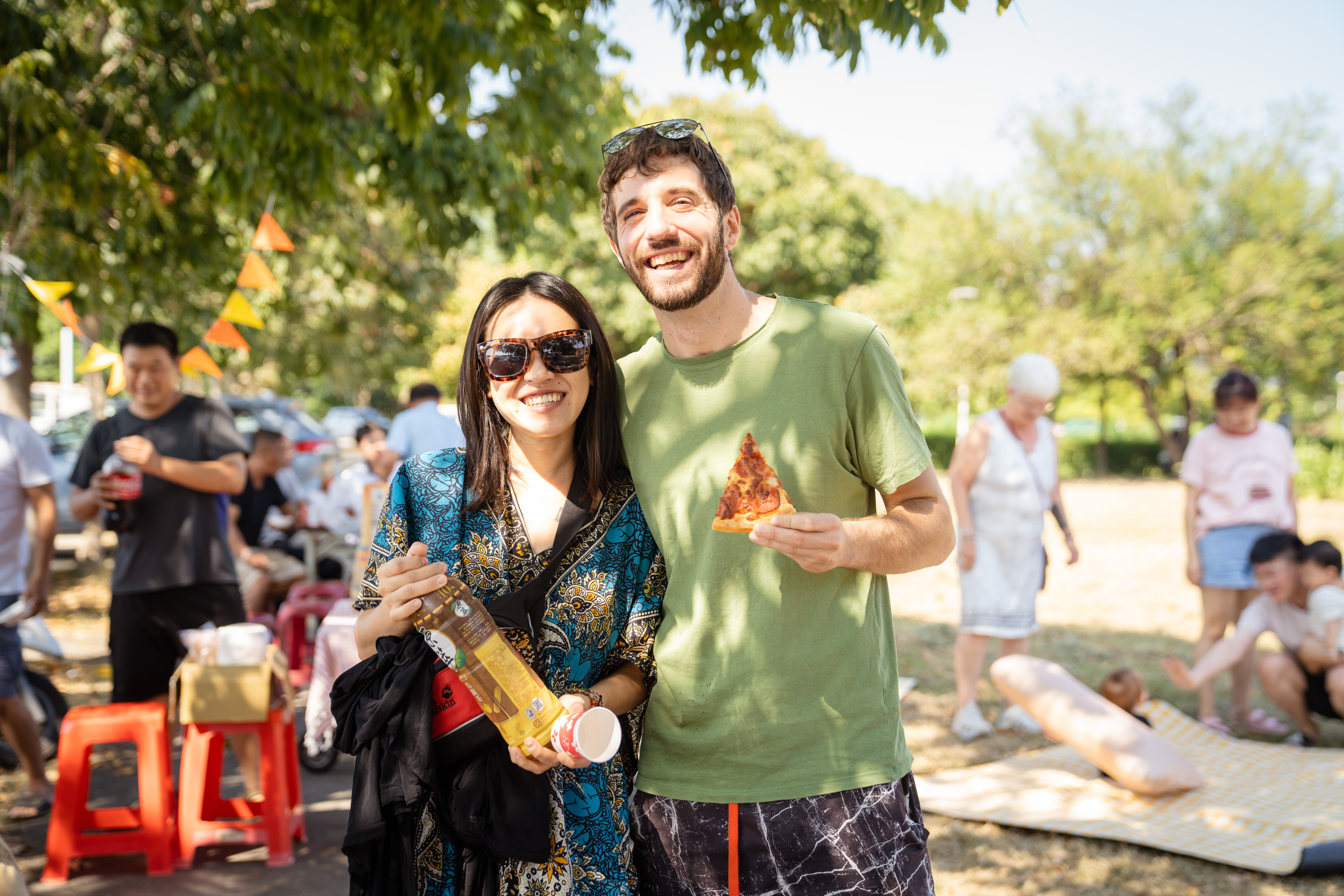
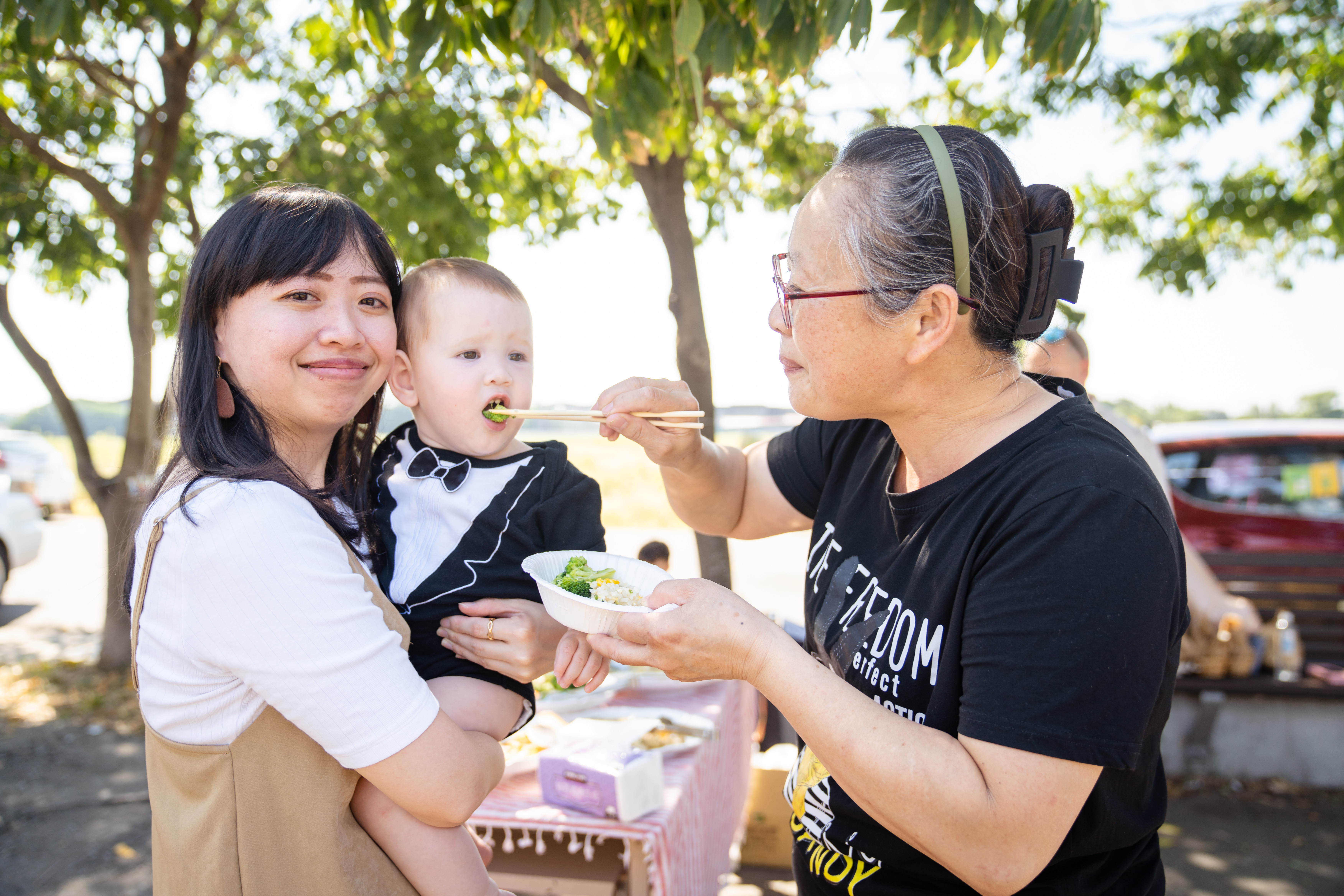
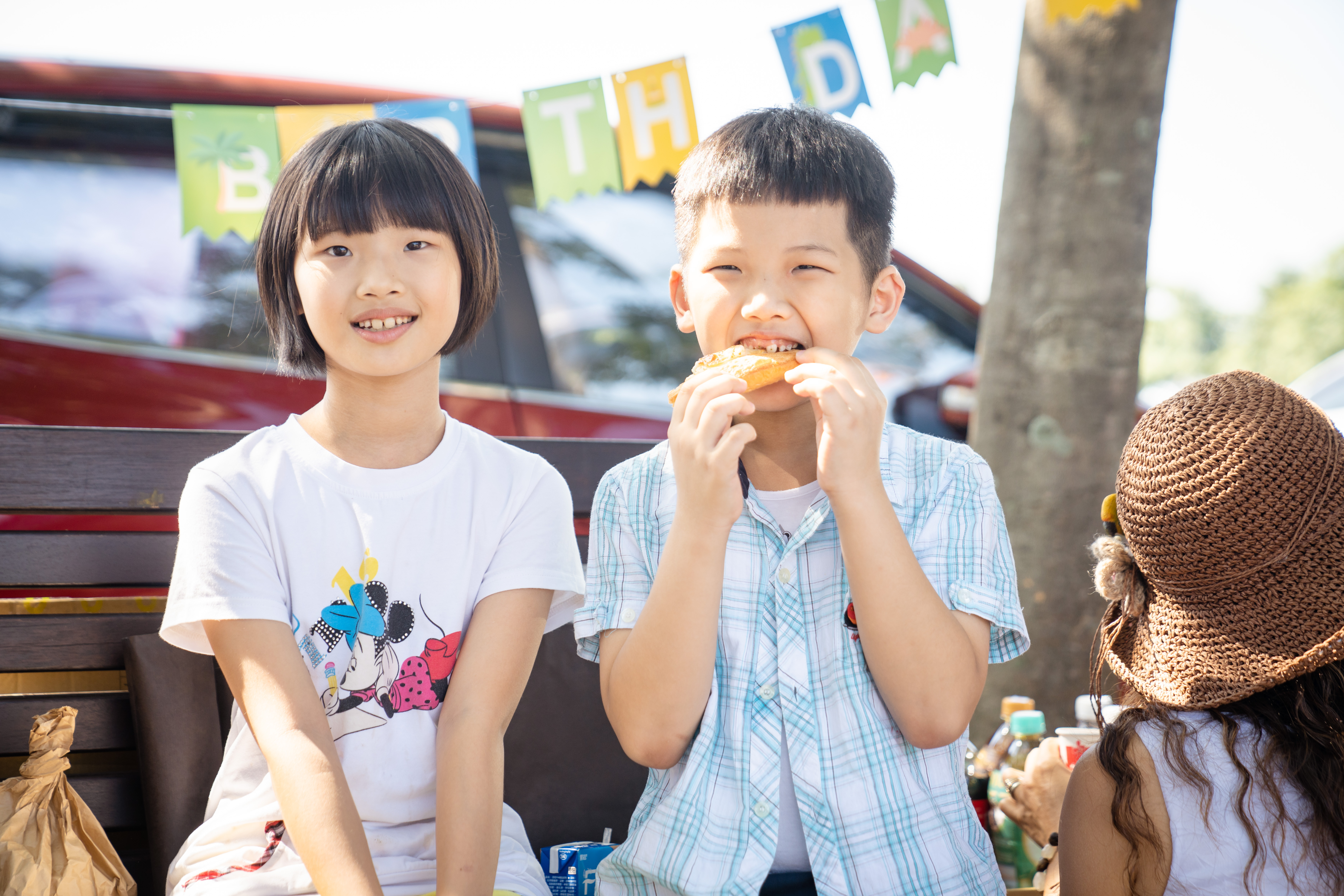


After everyone was thoroughly satiated, we only had one activity on the agenda: The gender reveal for the baby in LL’s belly.
I’ve never cared too much for this tradition, and there was no surprise for me because I had already glimpsed something during a recent ultrasound. However, it can still be a lot of fun, and I was the only one who knew the gender of the baby already.

The reveal was simple. I had some friends secretly put a bra on me that was either pink or blue. I then covered myself with a button-up shirt.
We inquired about everyone’s hopes (since we already had a boy, many – including myself – were hoping for a girl), LL did a brief countdown, and then I ripped off my shirt…
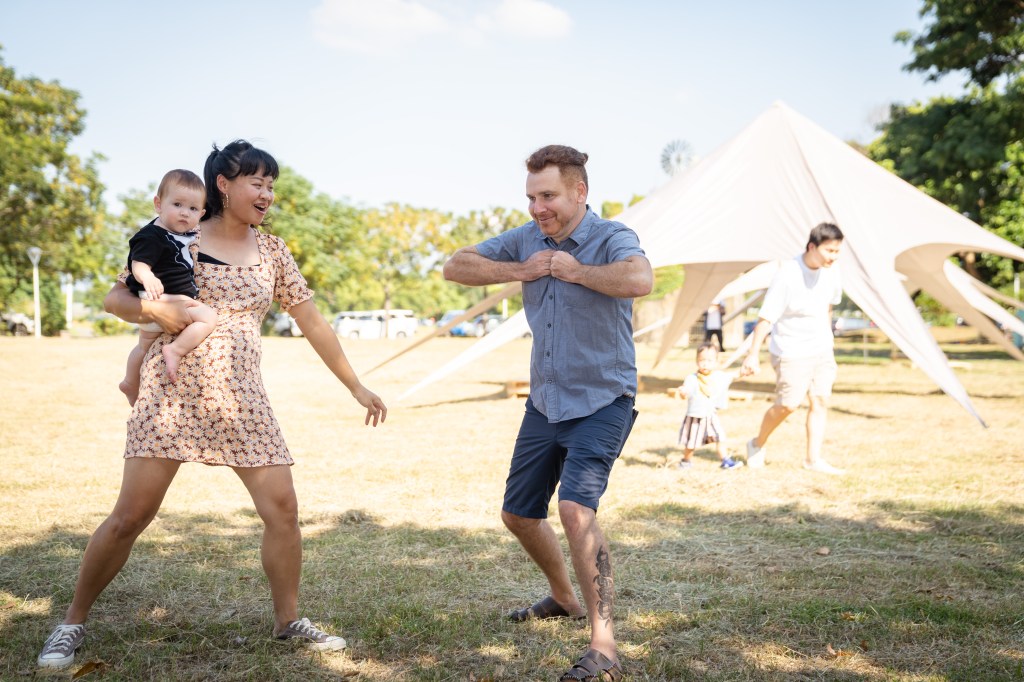

I revealed, to some people’s surprise (and maybe some people’s disappointment), a blue bra; another boy was on its way.
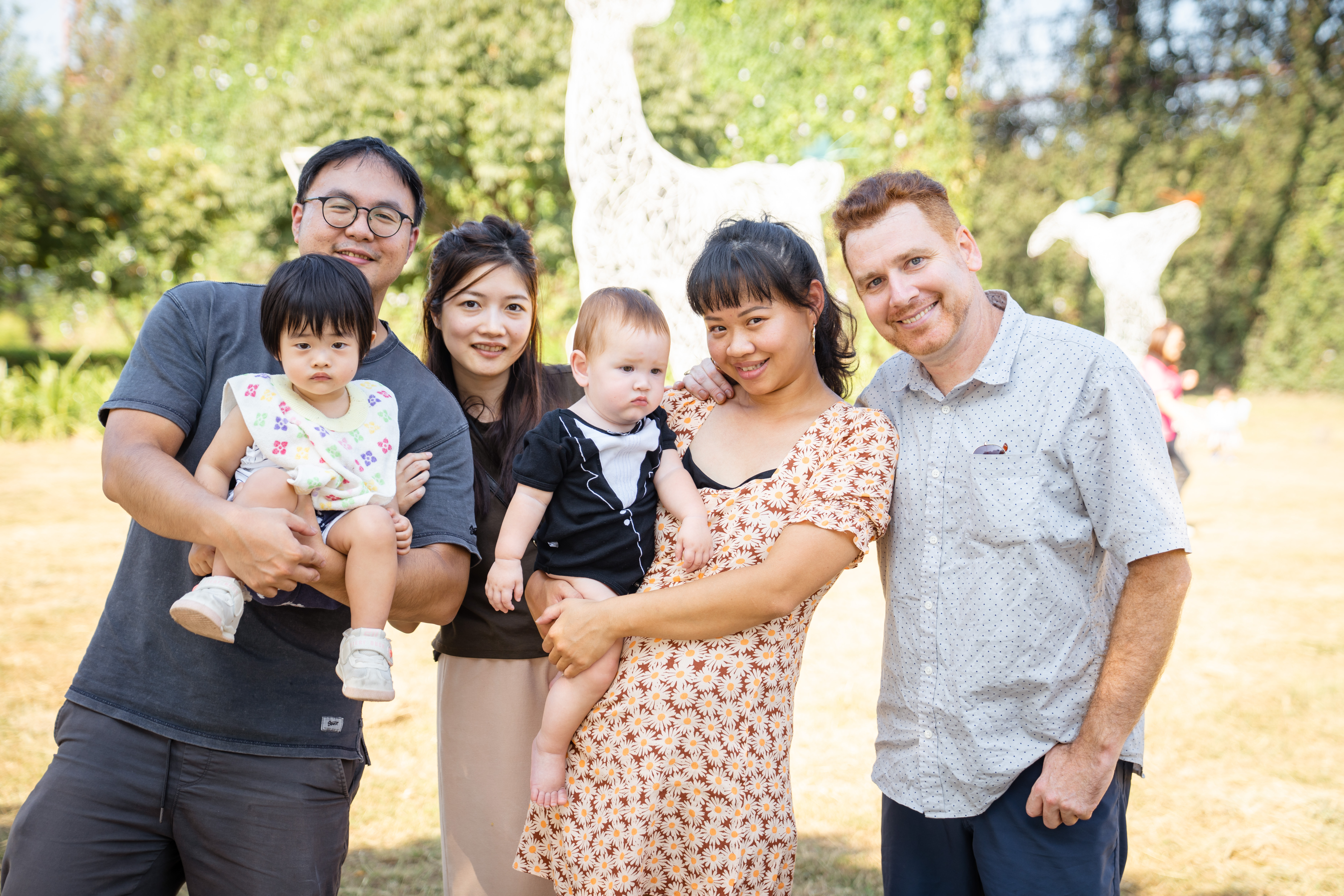
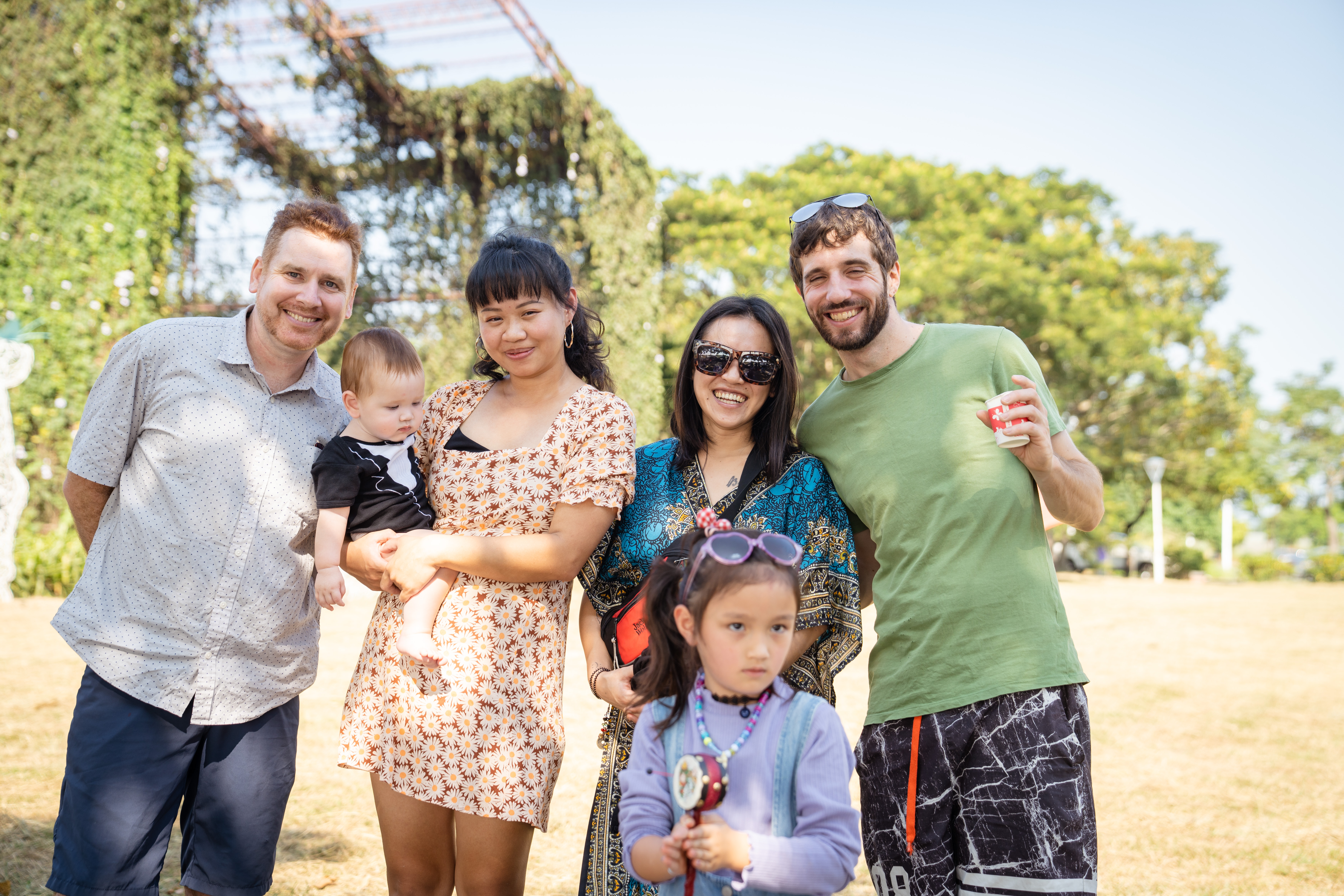
Everyone mingled, ate some cake, and played around. Isaiah’s first birthday was a complete success, and cleanup was not so bad.




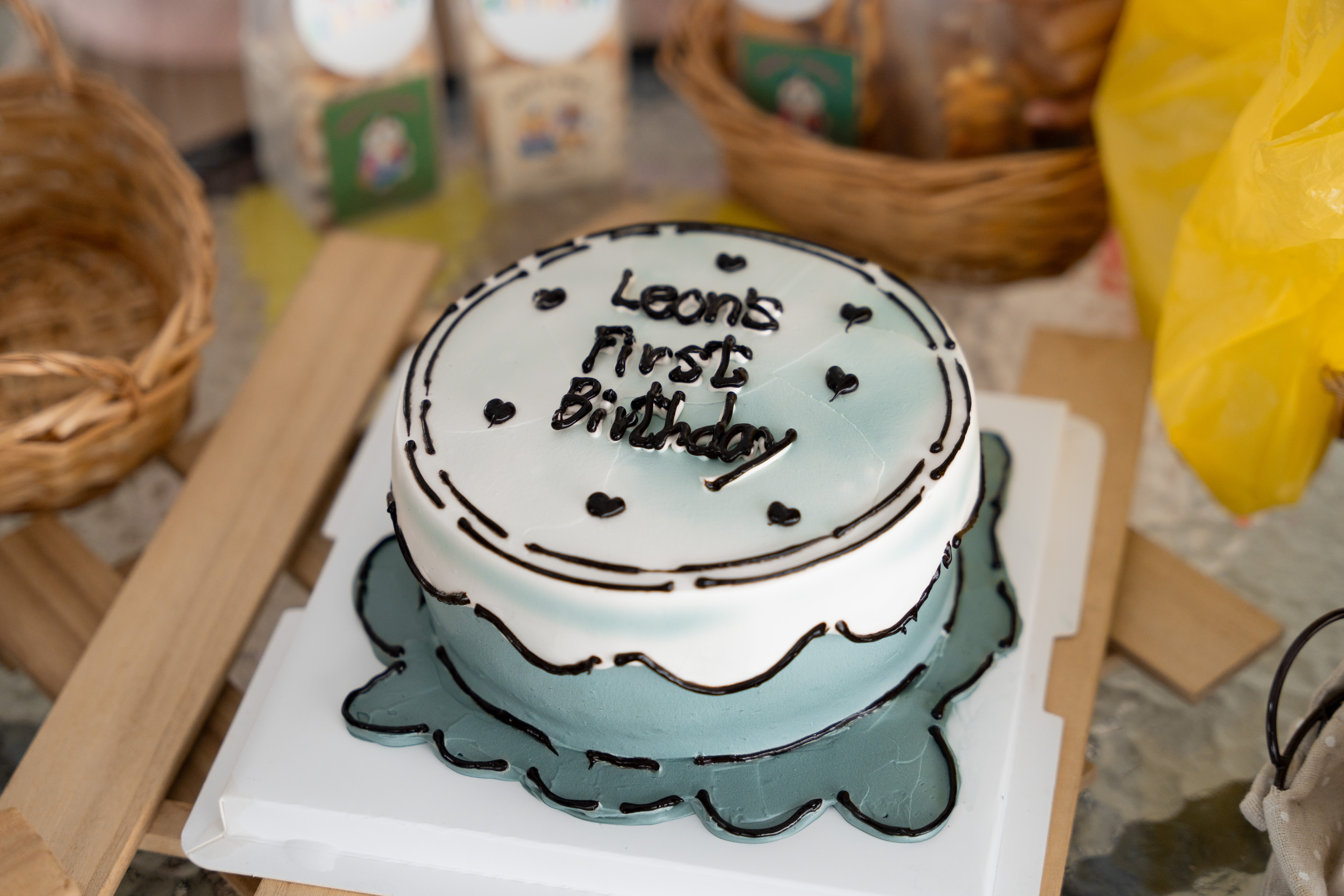
Leon B. W. – March, 2025

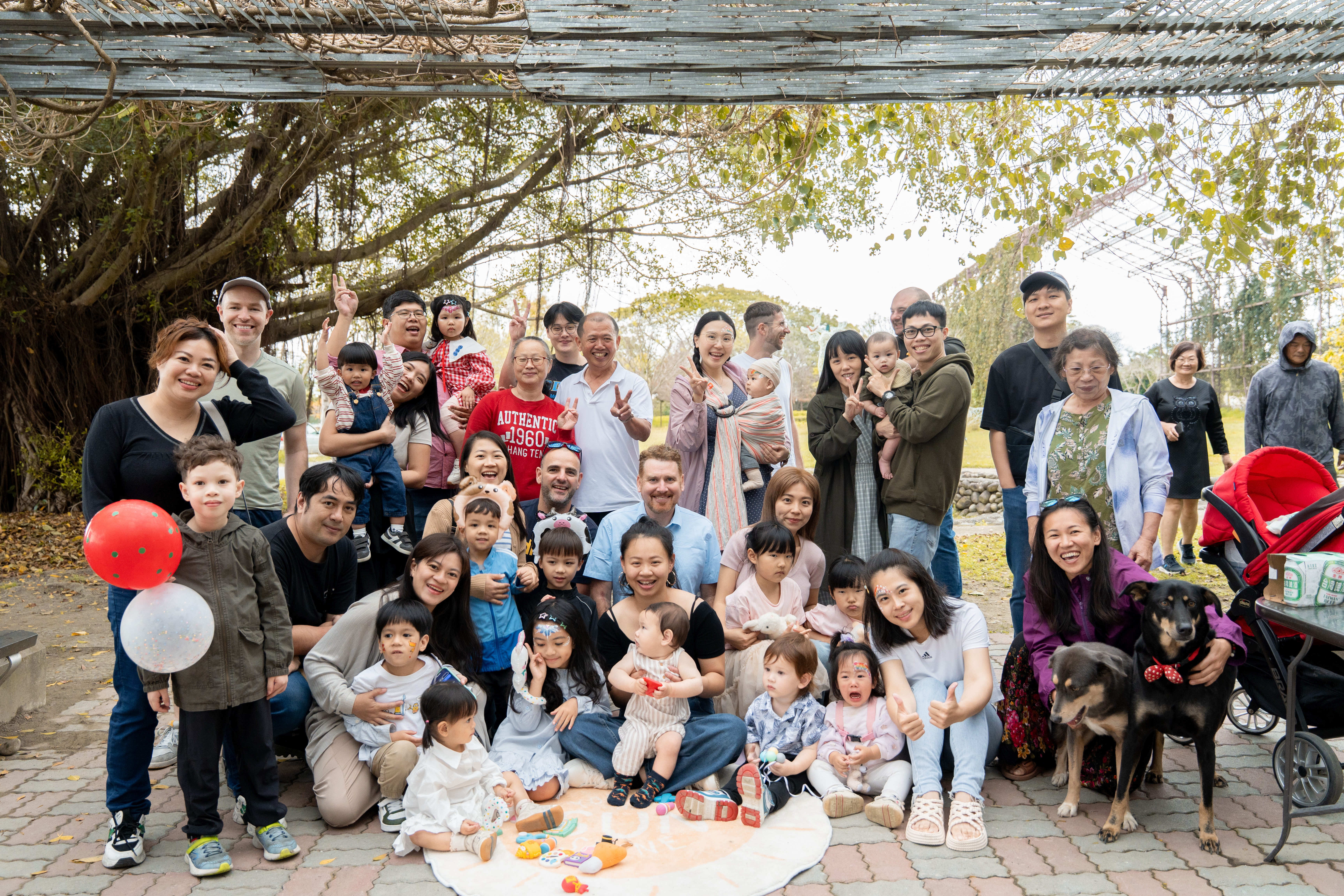
On the morn’ of Leon’s birthday, we woke up to dark clouds and gusty winds. We were worried that repeating the same venue we used for Isaiah’s birthday might be a bad idea.
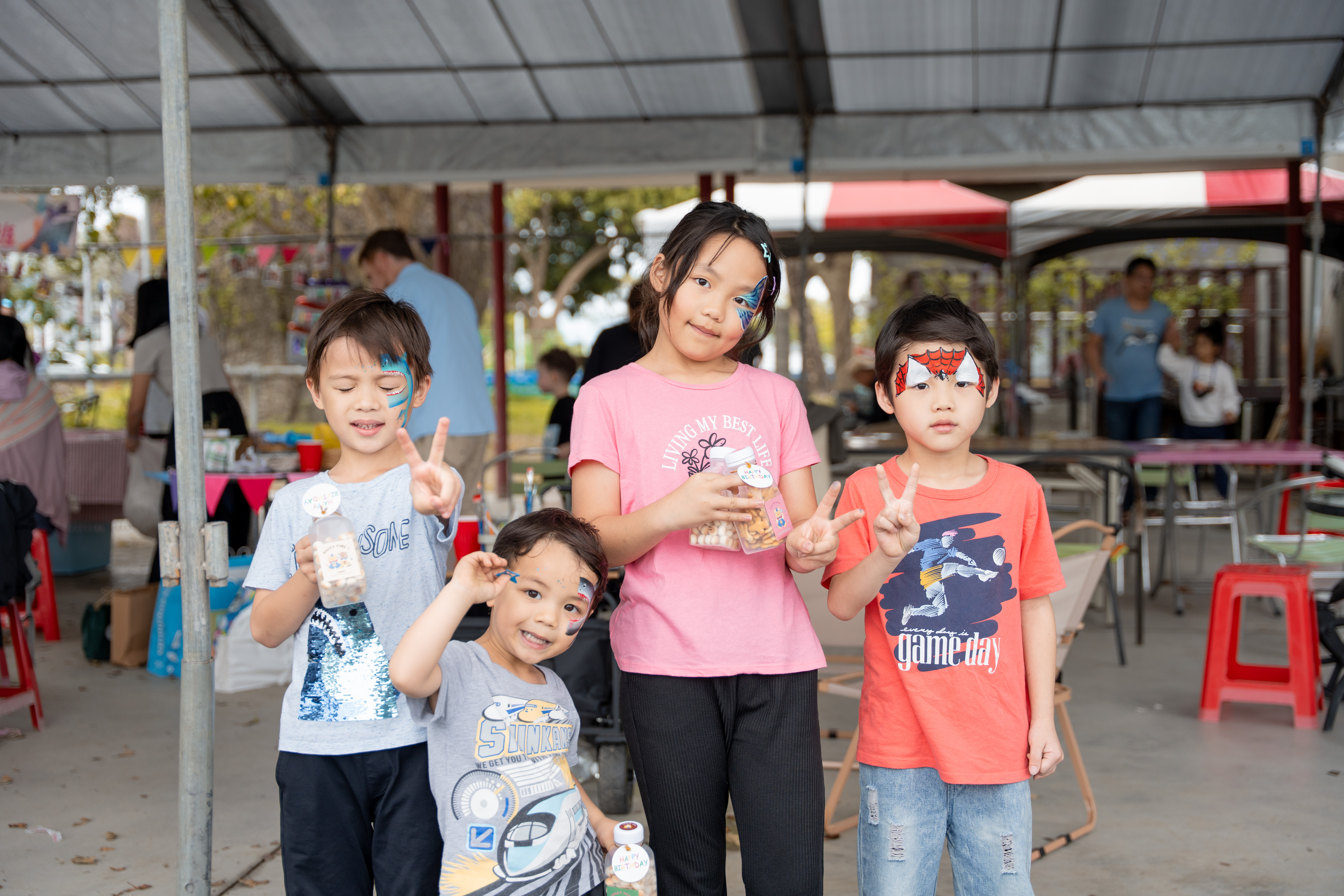
Luckily, Linneiyi Station has an area in the back with cover, so the manager was kind enough to let us set up there.

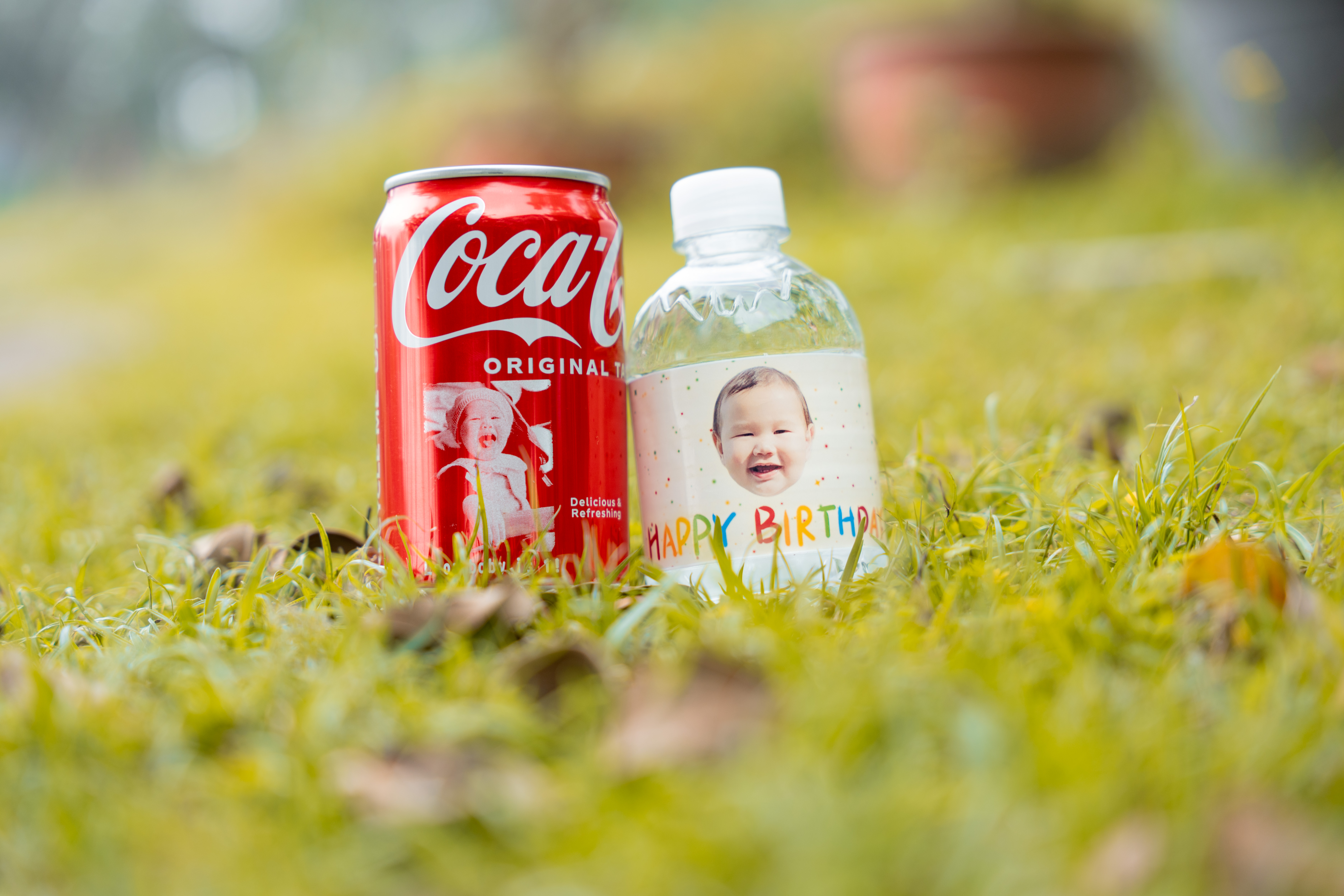
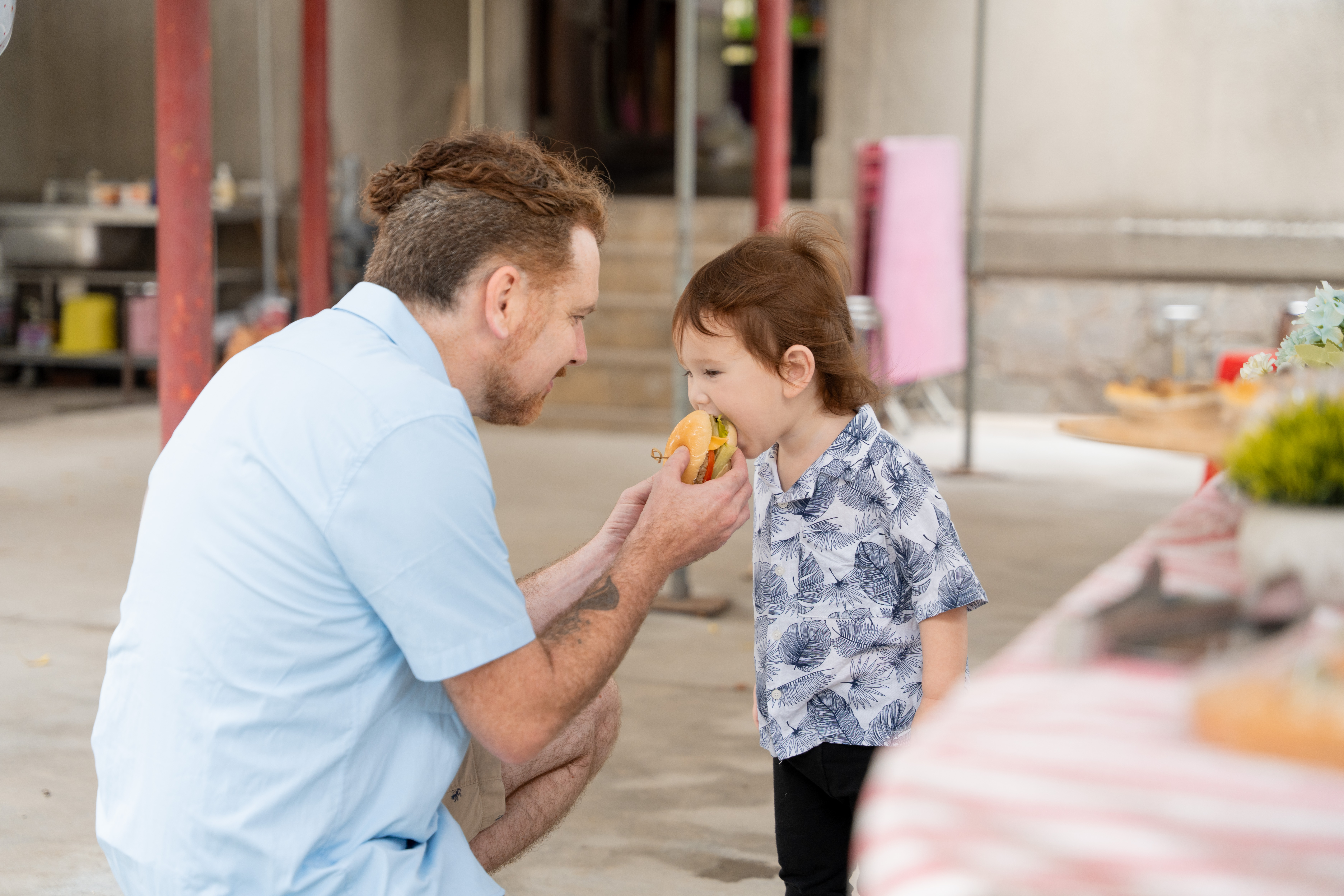
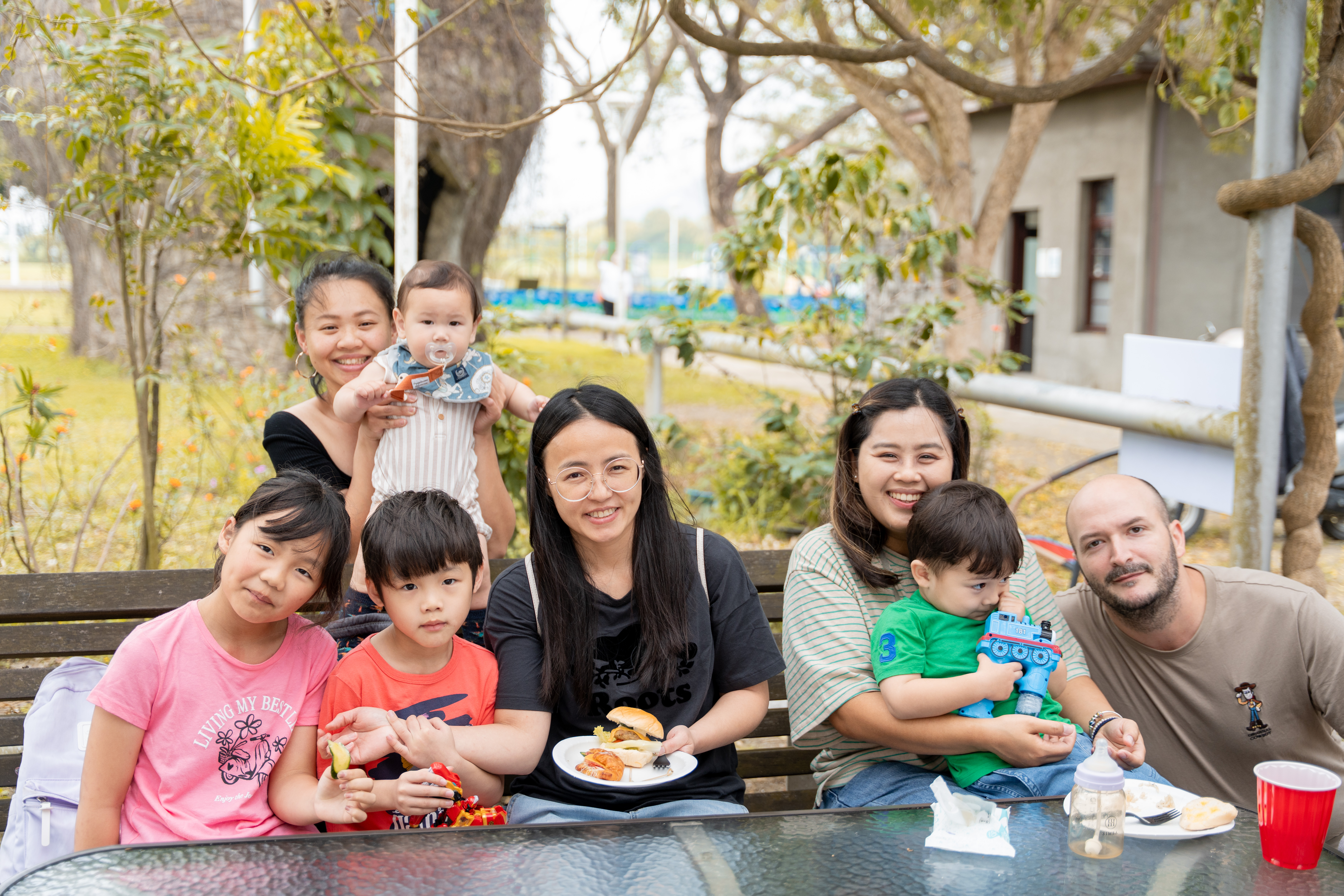
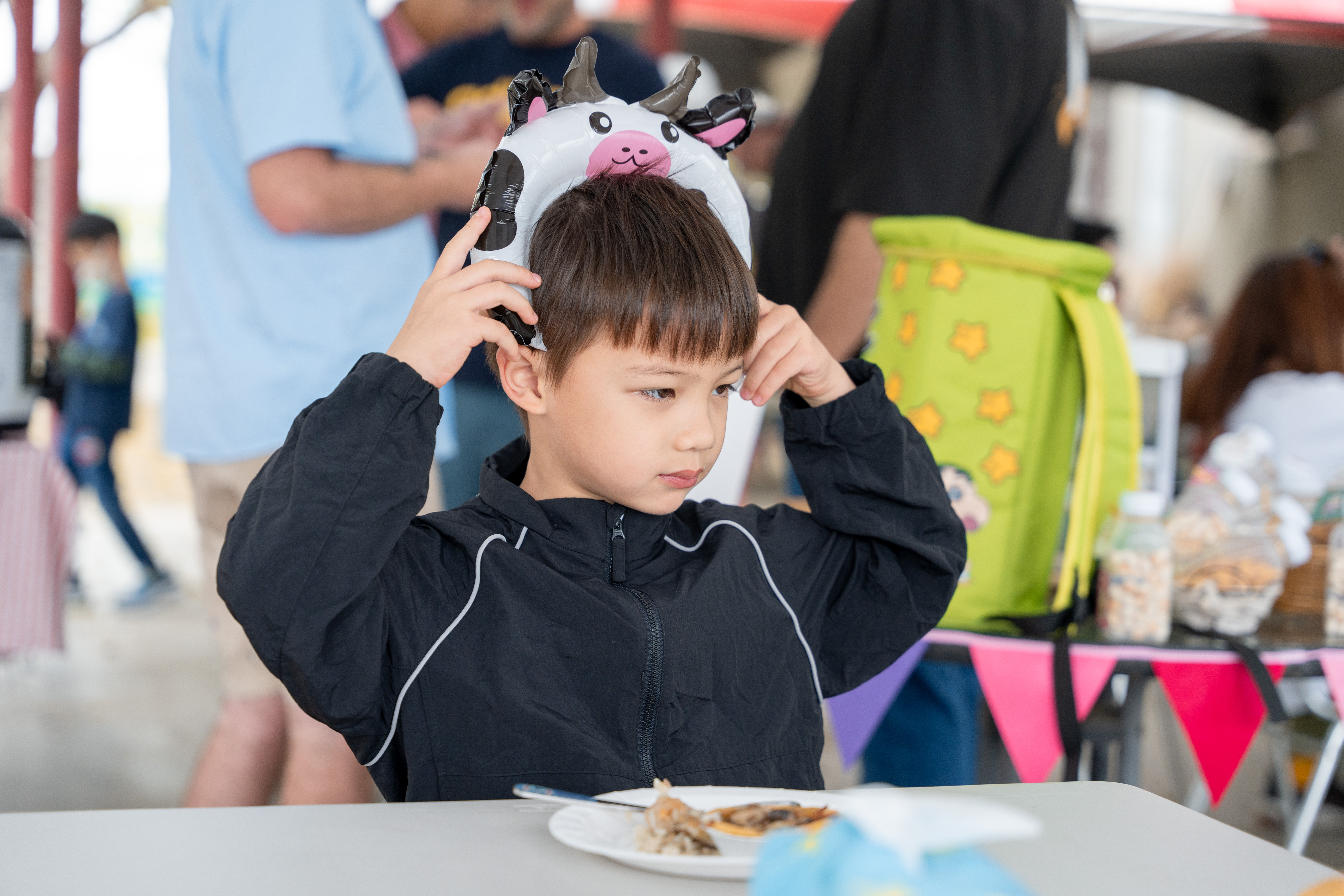
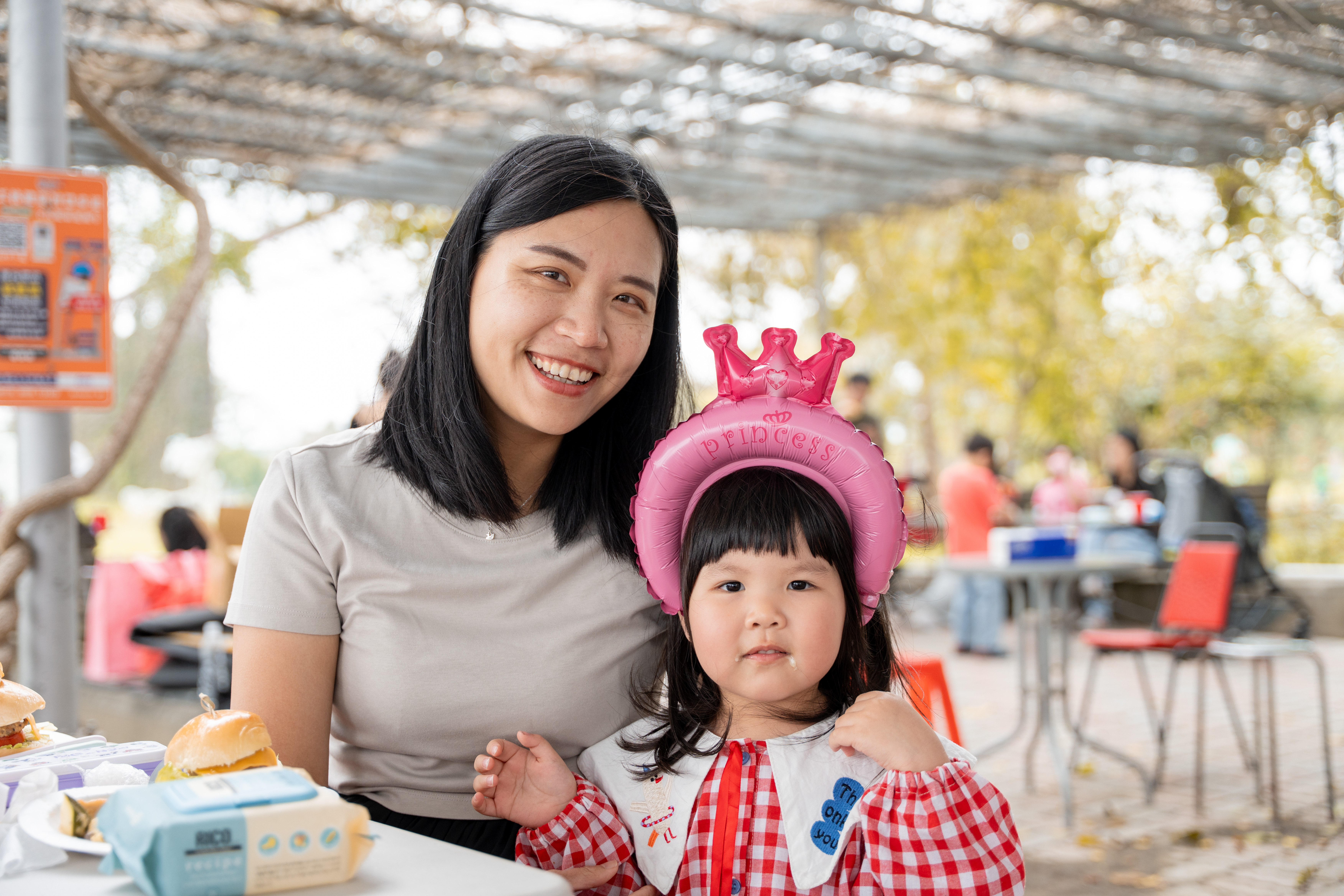
With two young boys, we decided not to waste any time and just paid for a caterer to provide all the food (burgers, croissant sandwiches, fried veggies, quiche, etc.). We also ordered customized drinks.
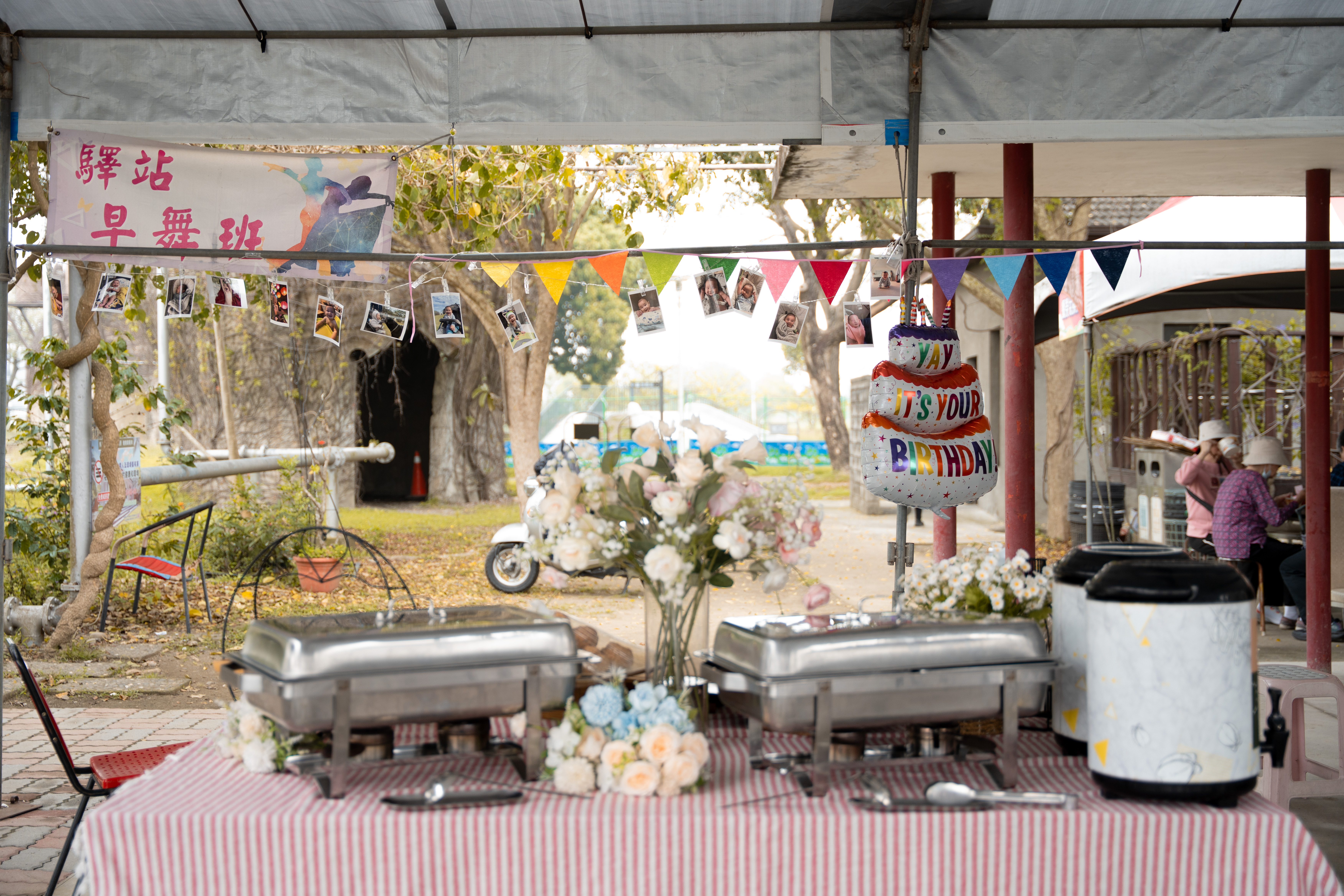

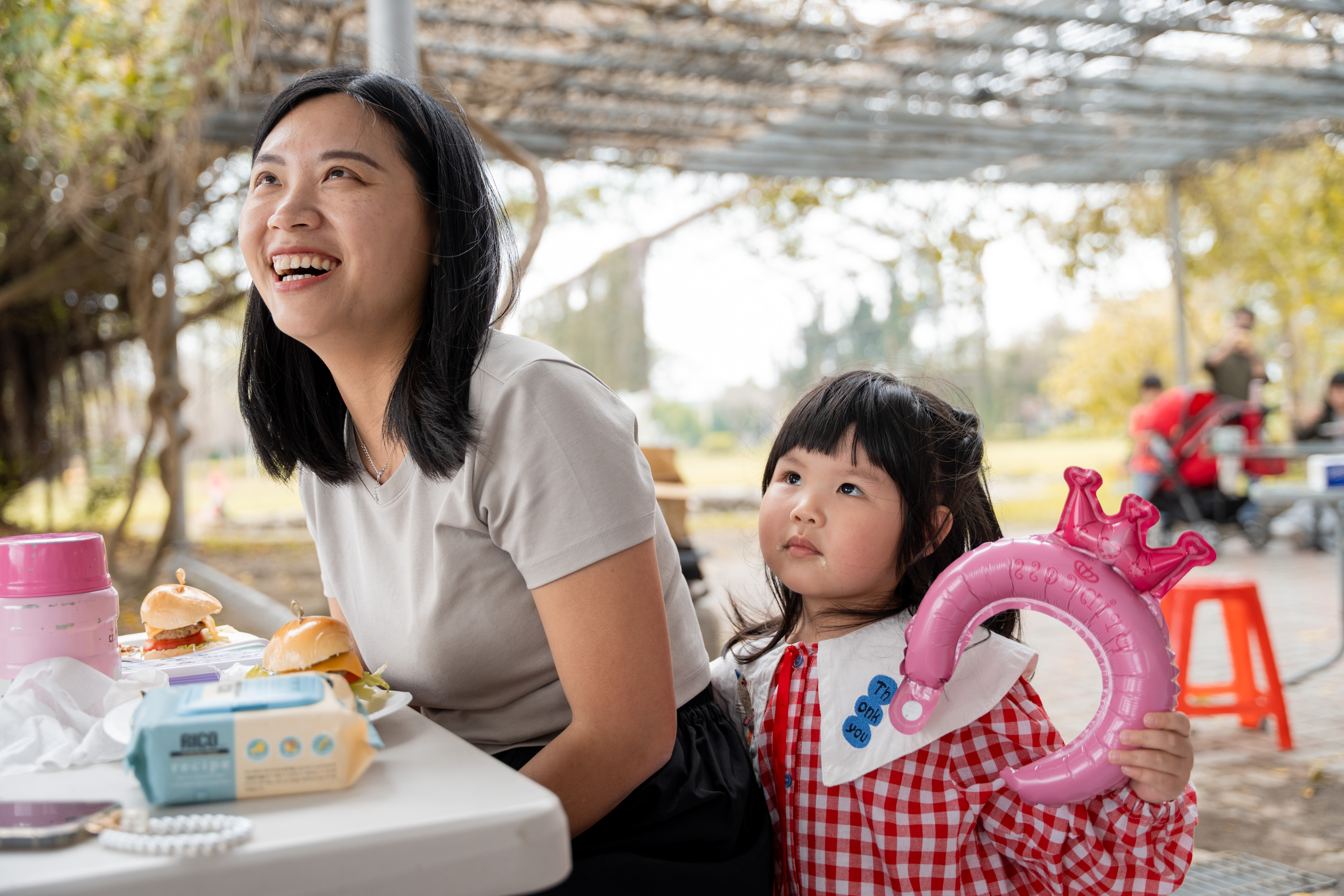
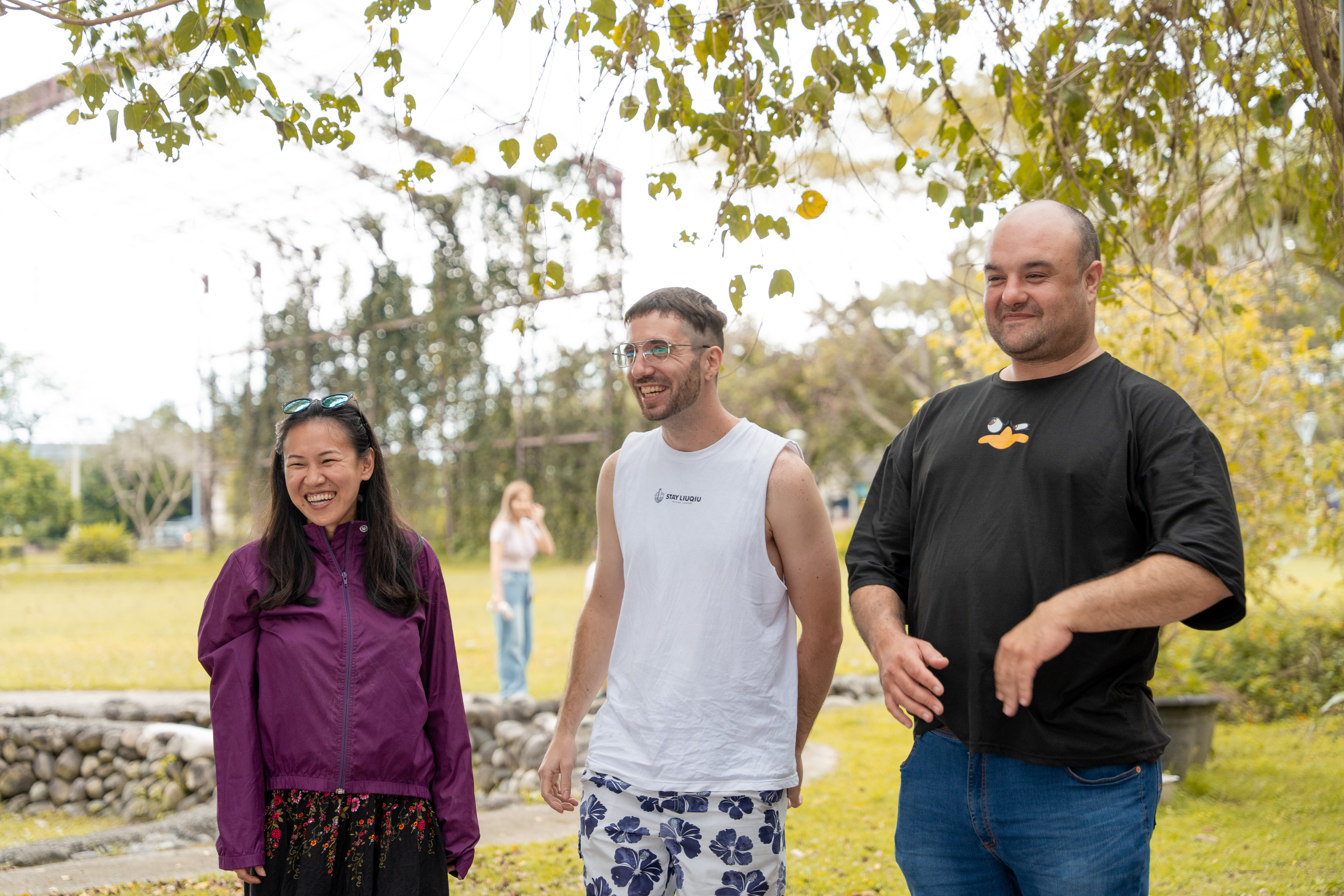
The party started out as normal with mingling and feasting.

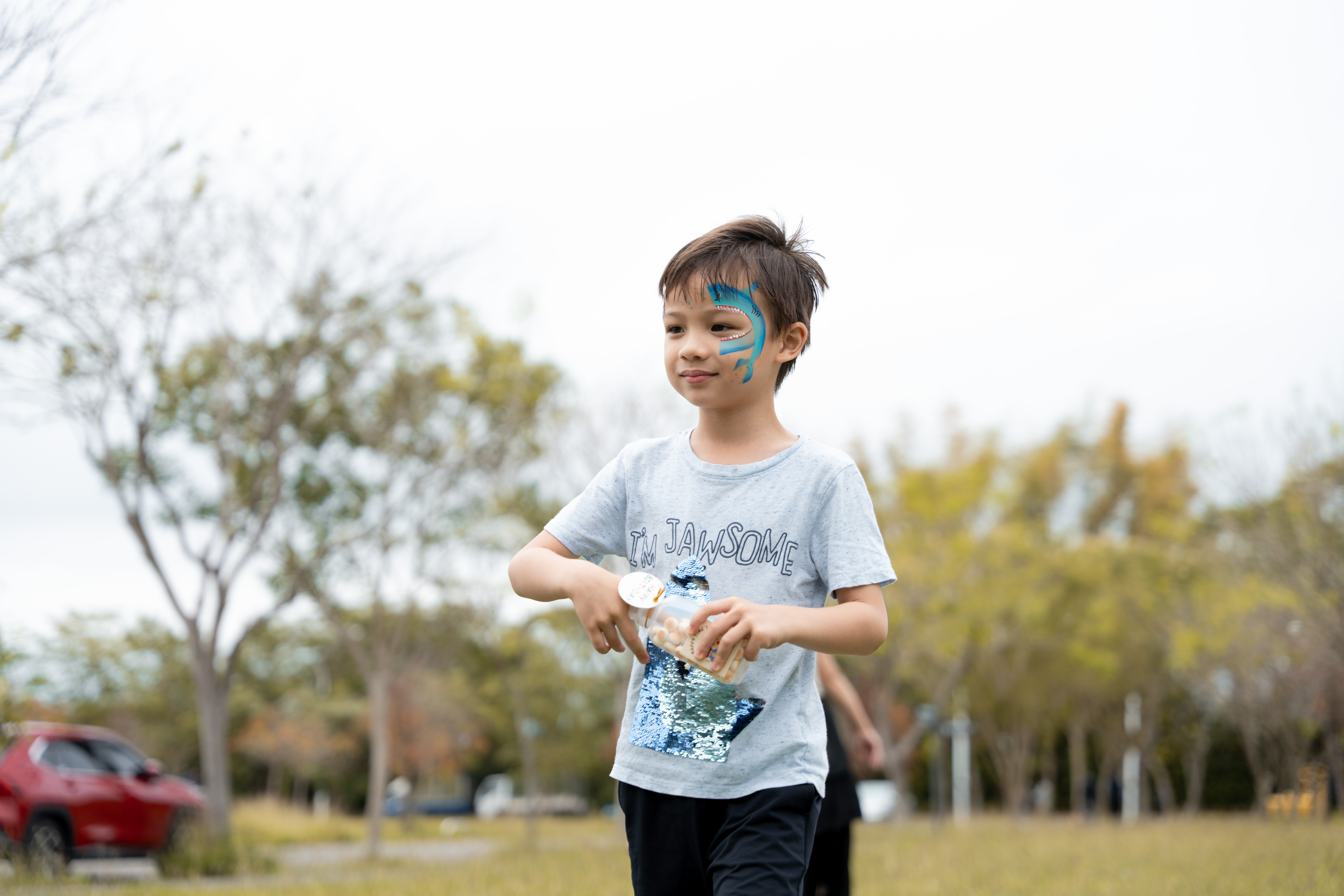
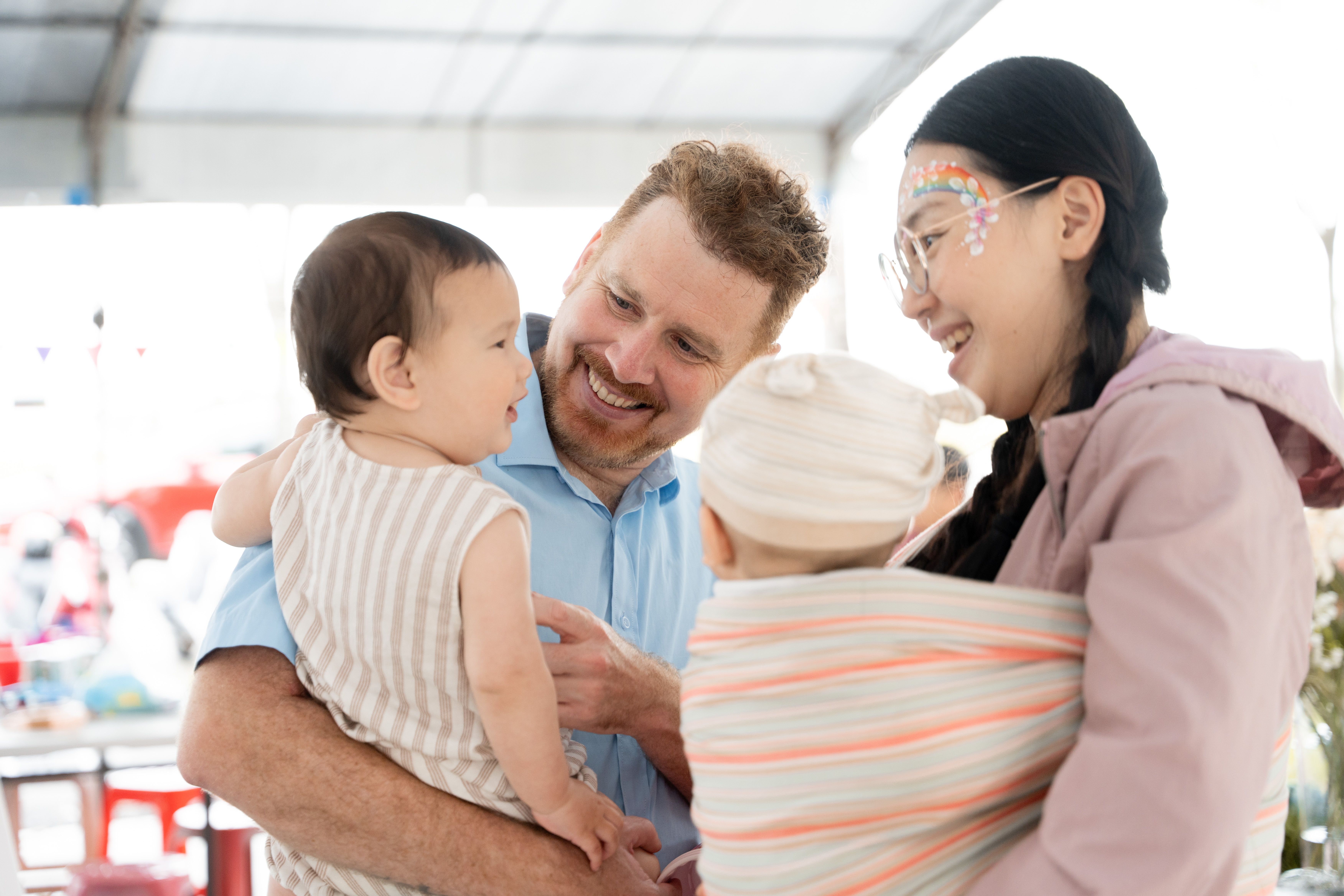
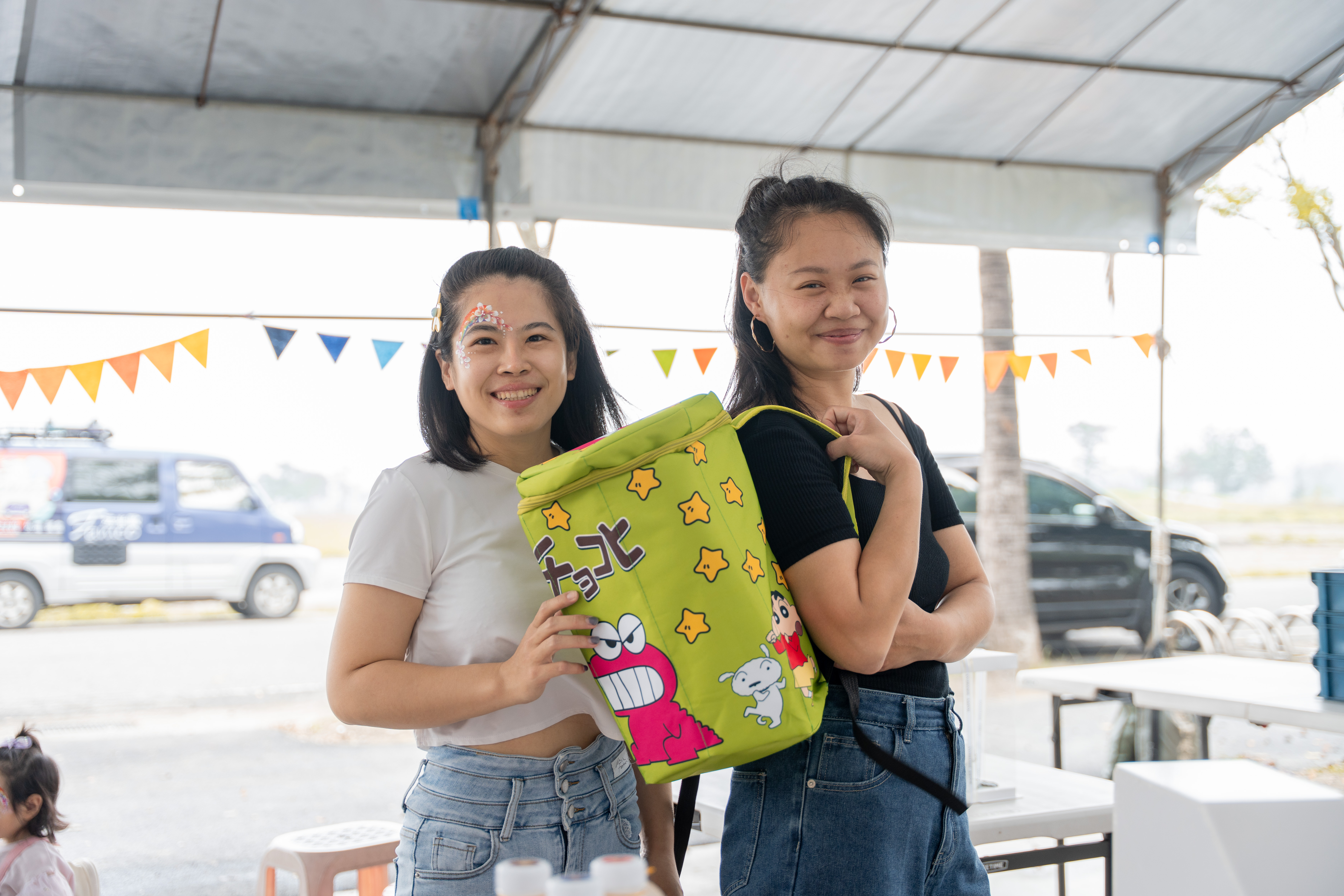
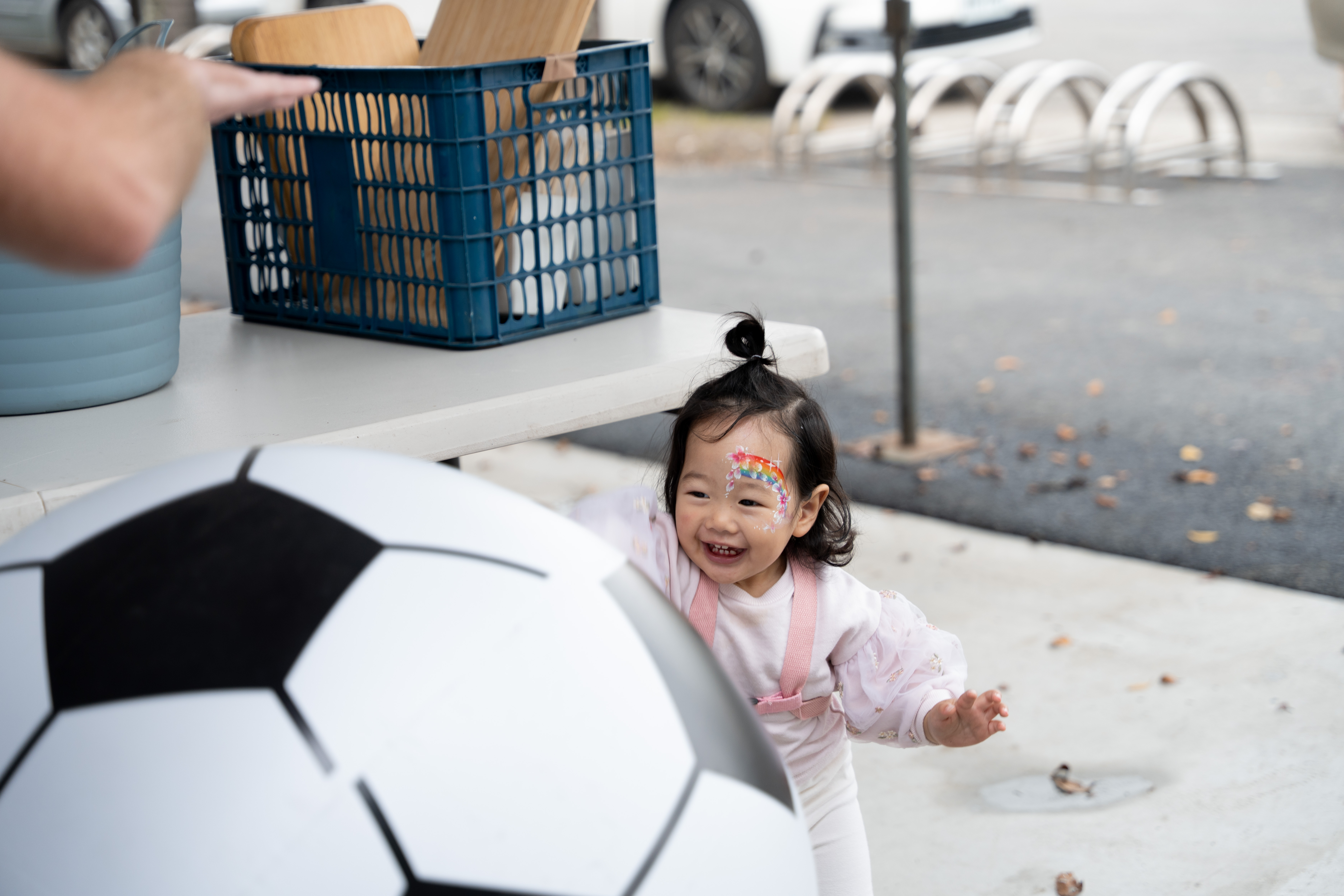
Our neighbor, Emma, is a very talented face painter, and she was kind enough to donate her talents to the party.

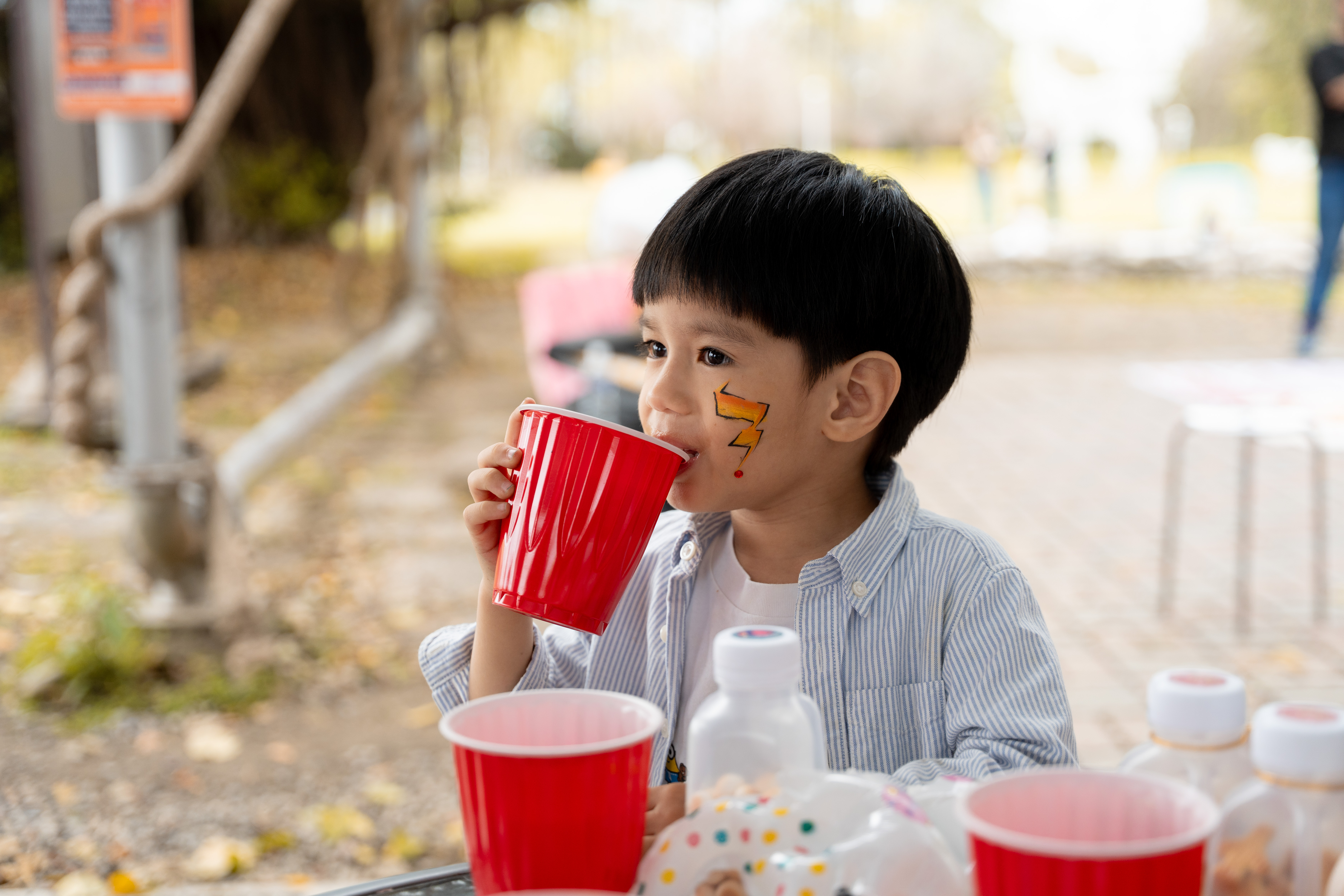
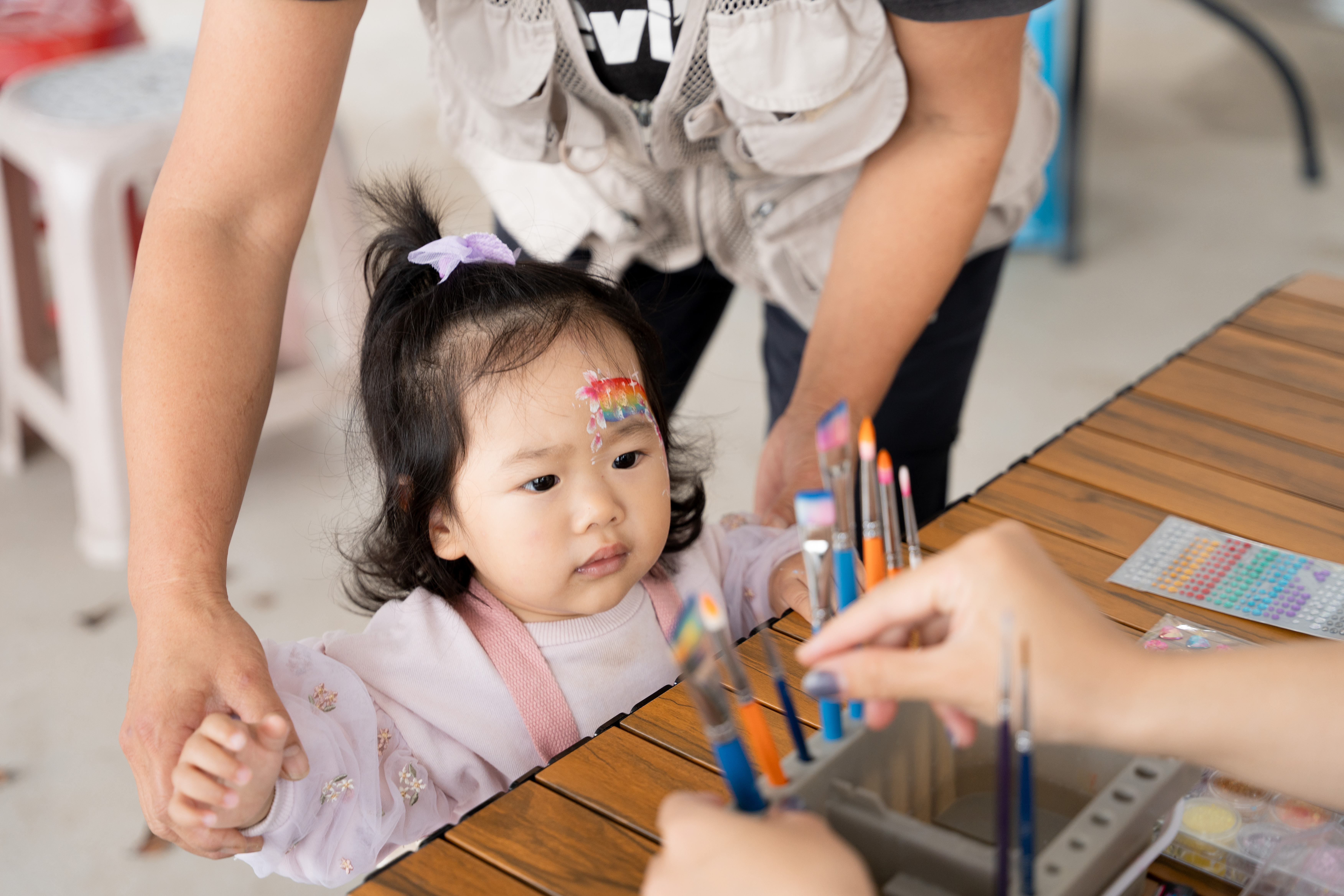
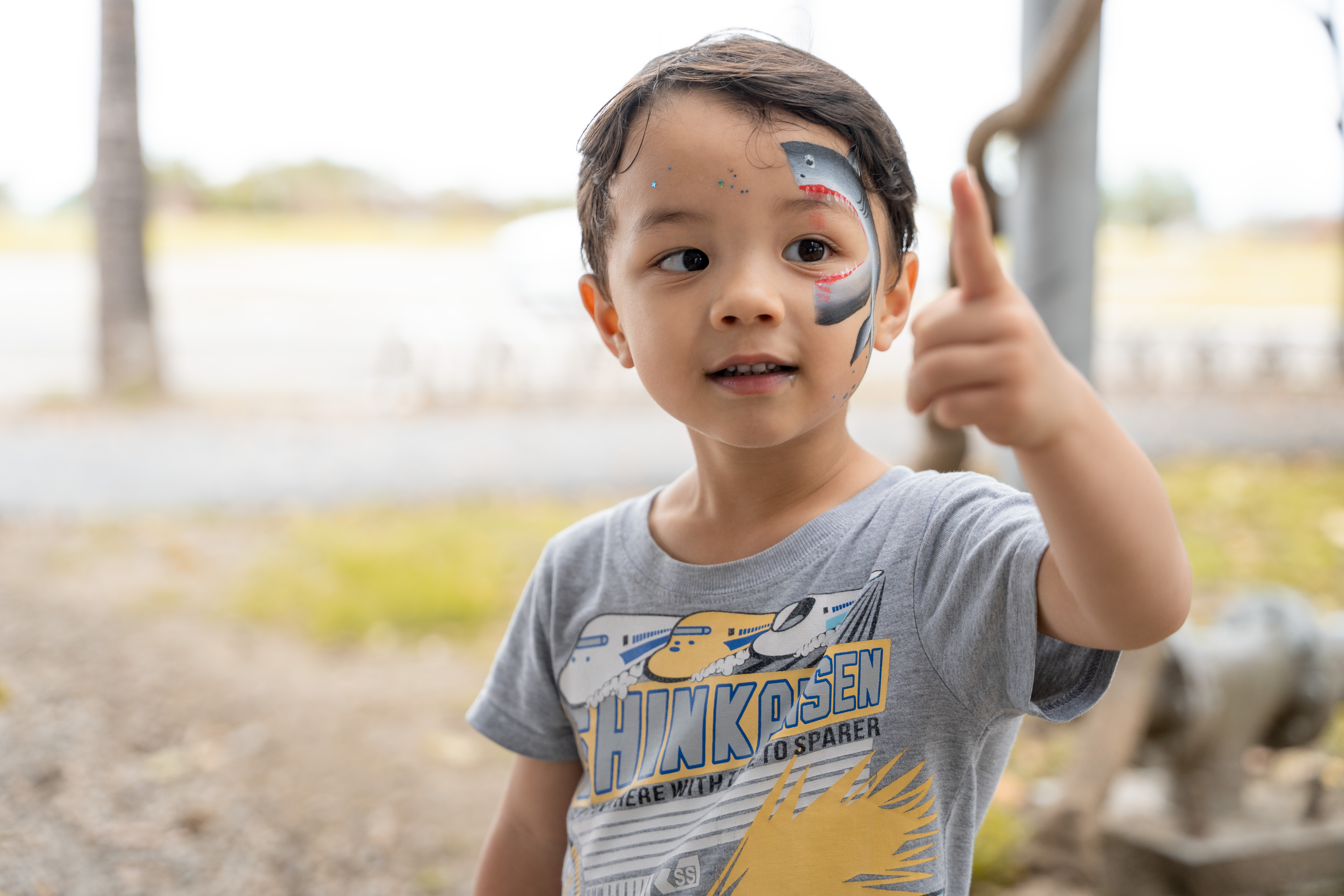
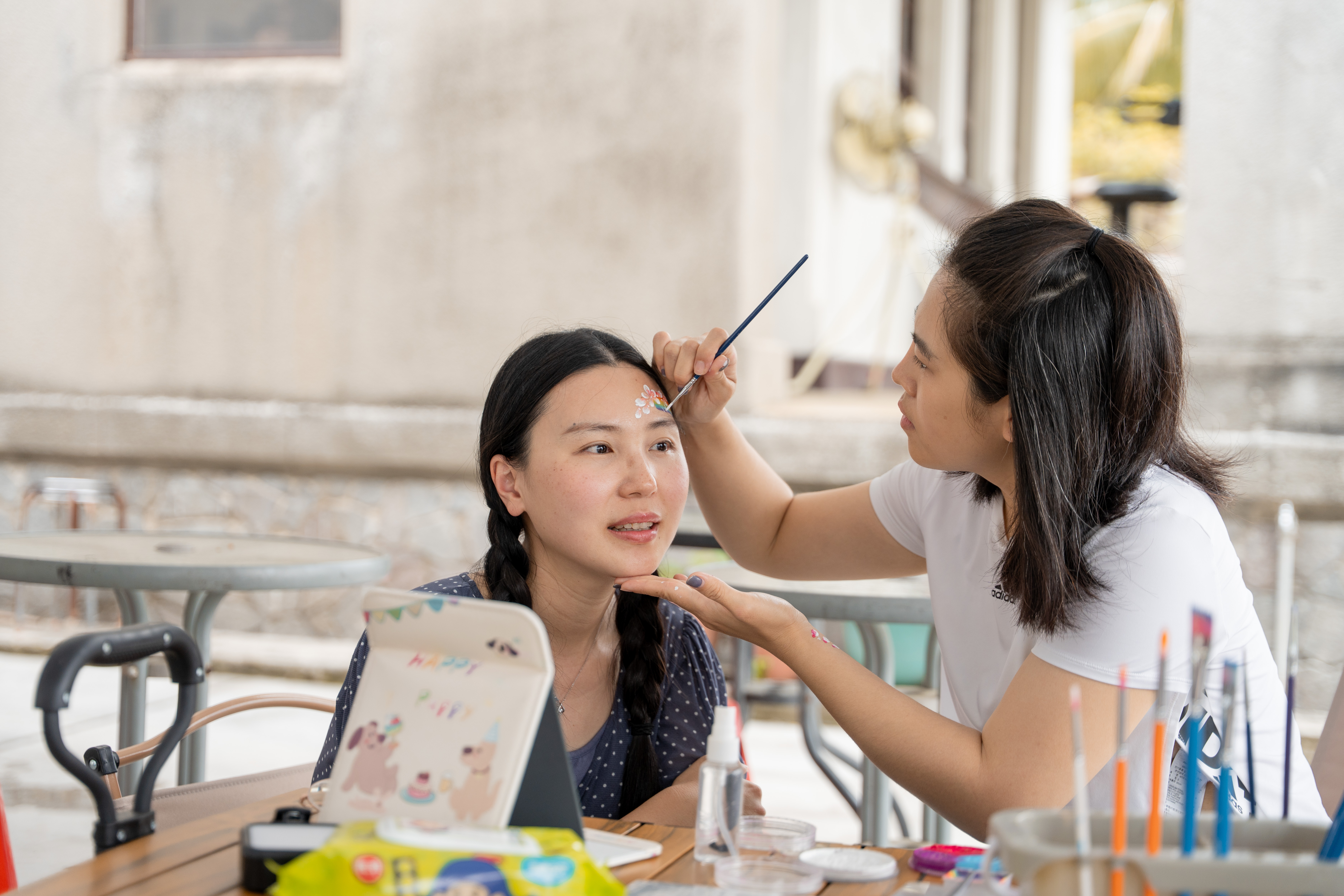
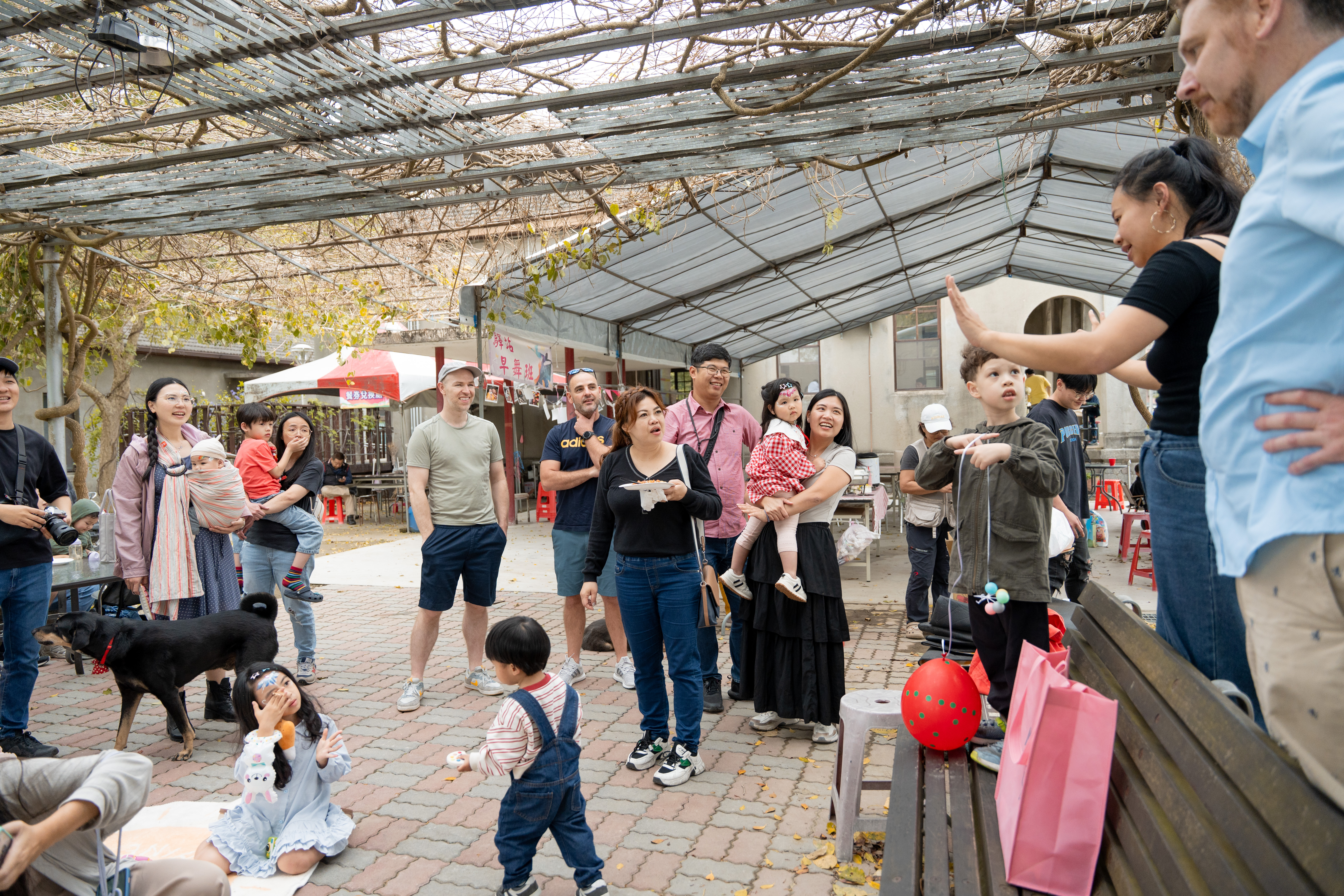
Since we had no gender reveal to do this time (though I did joke that we should pretend), we had to come up with some other activity. LL had the bright idea that we would do a small quiz. She asked questions (mostly about Leon) and whoever guessed the right answer would win a prize.


It took a short while for people to get into the game; it was almost as if they were just content to hang out with each other and chat. But once they saw the lavish prizes, they couldn’t resist. We gave away:
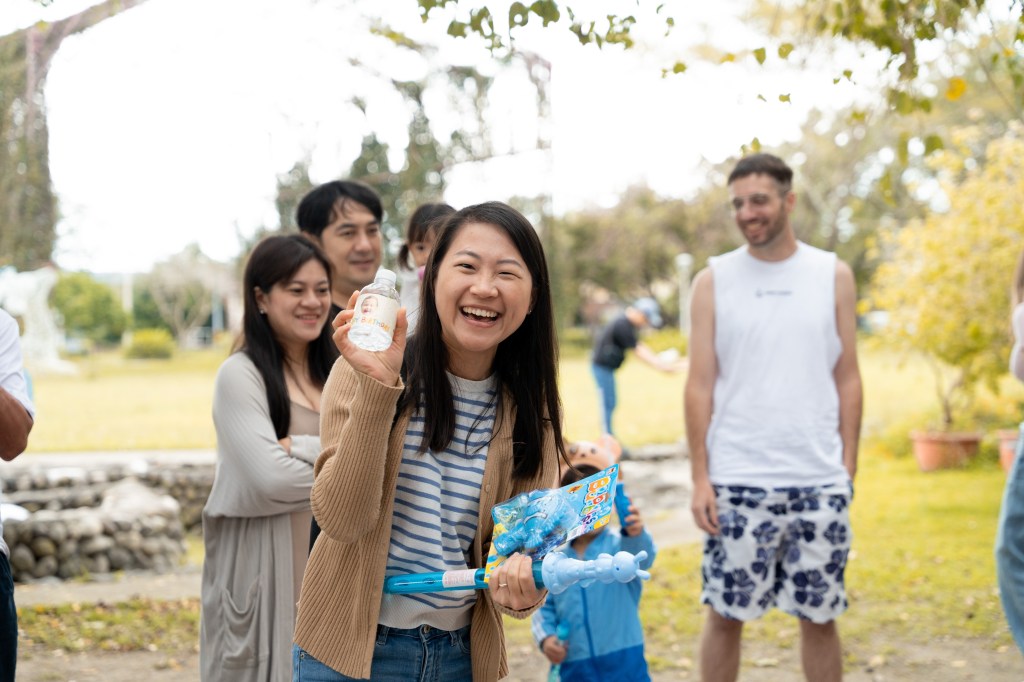
Leon edition water.
Leon edition cola.

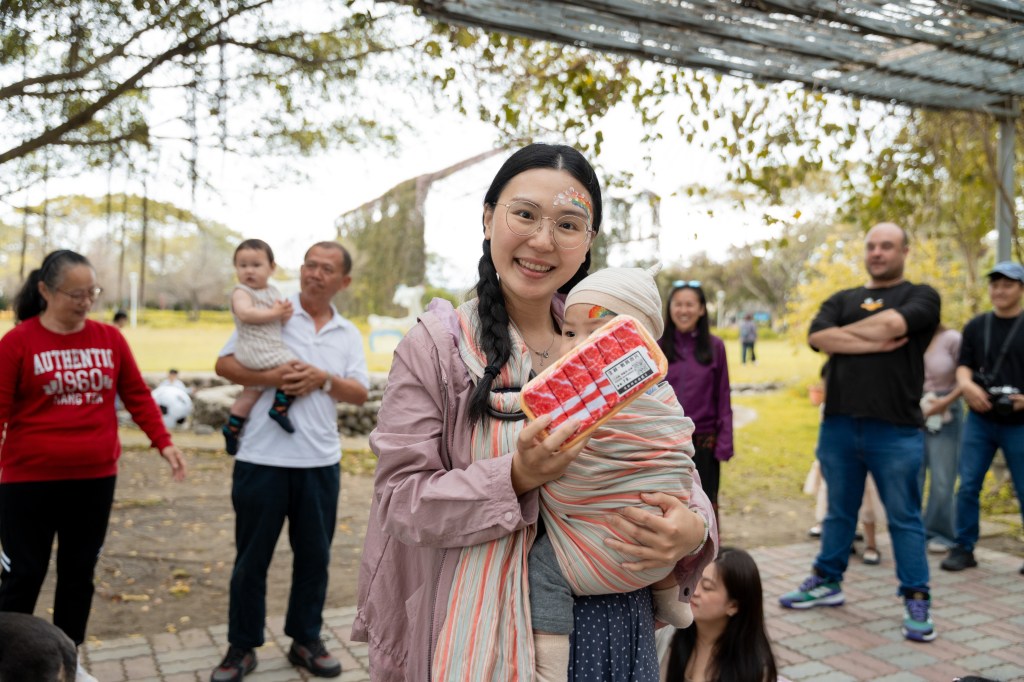
Socks that looked like hotpot meat.
A bag of rice.


A bottle of wine.
The grand prize (for correctly guessing my age) was truly extravagant…
A shirt of me.


The dark clouds rolled away, and no storm came. So, we unleashed bubbles and an oversized football.


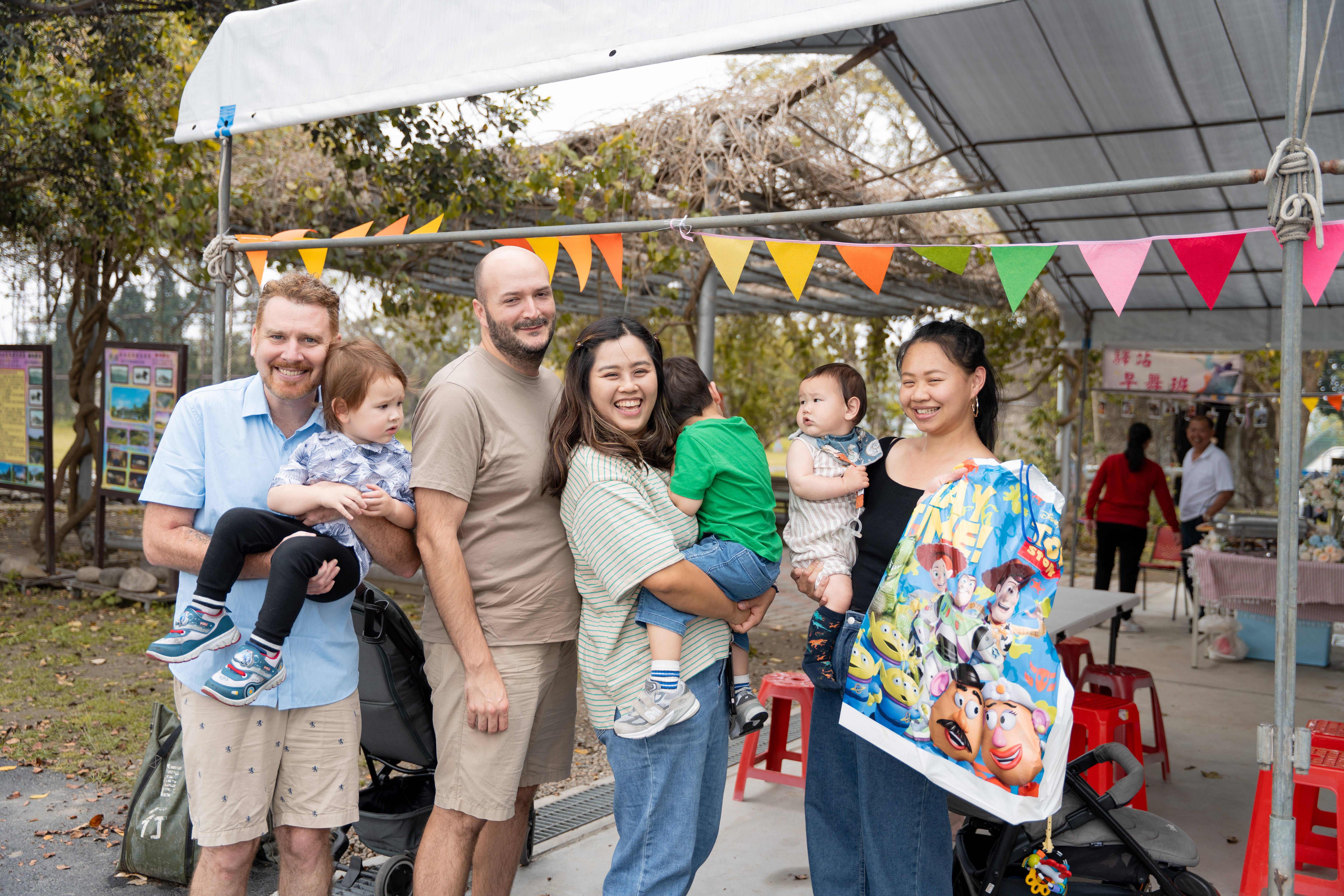
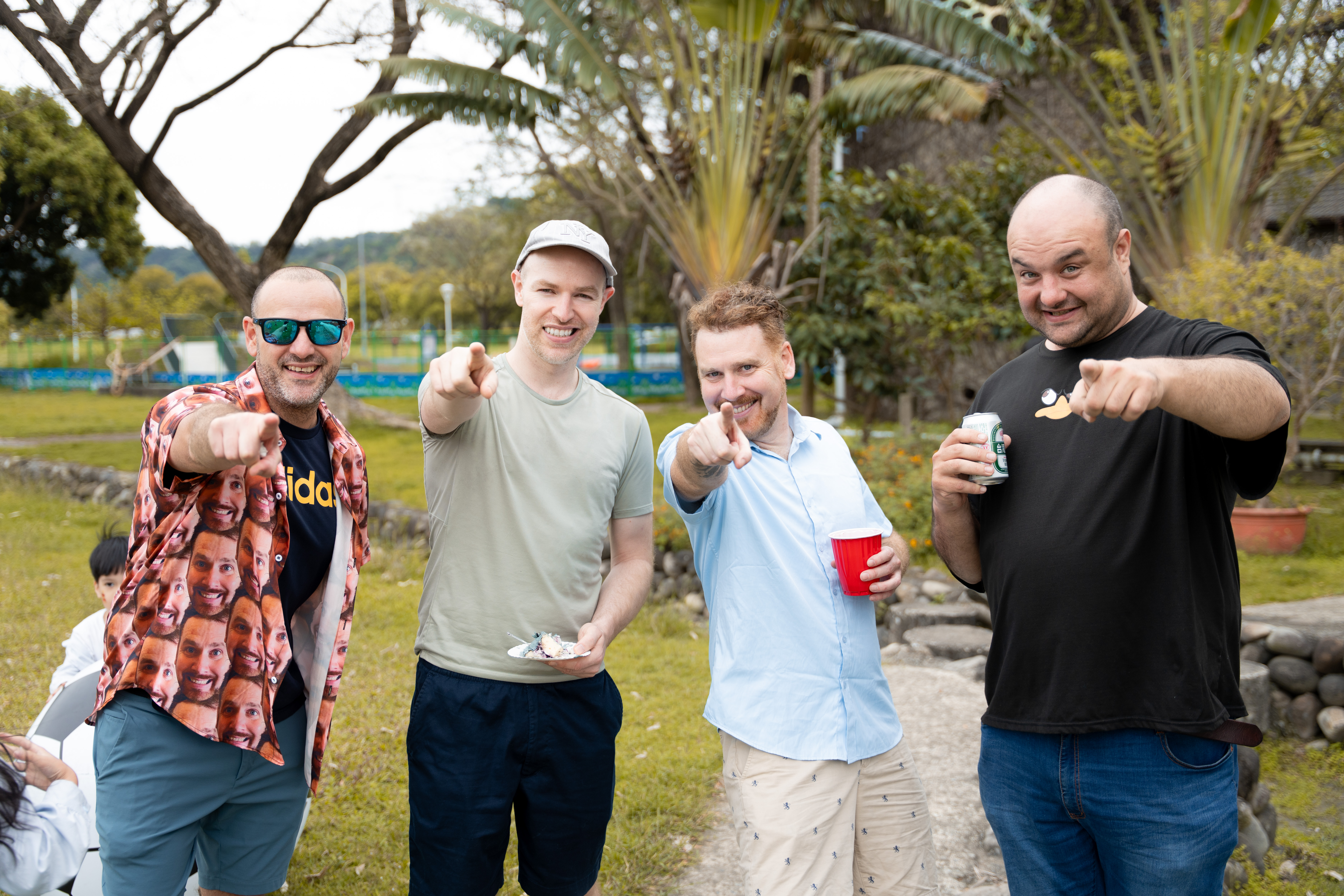
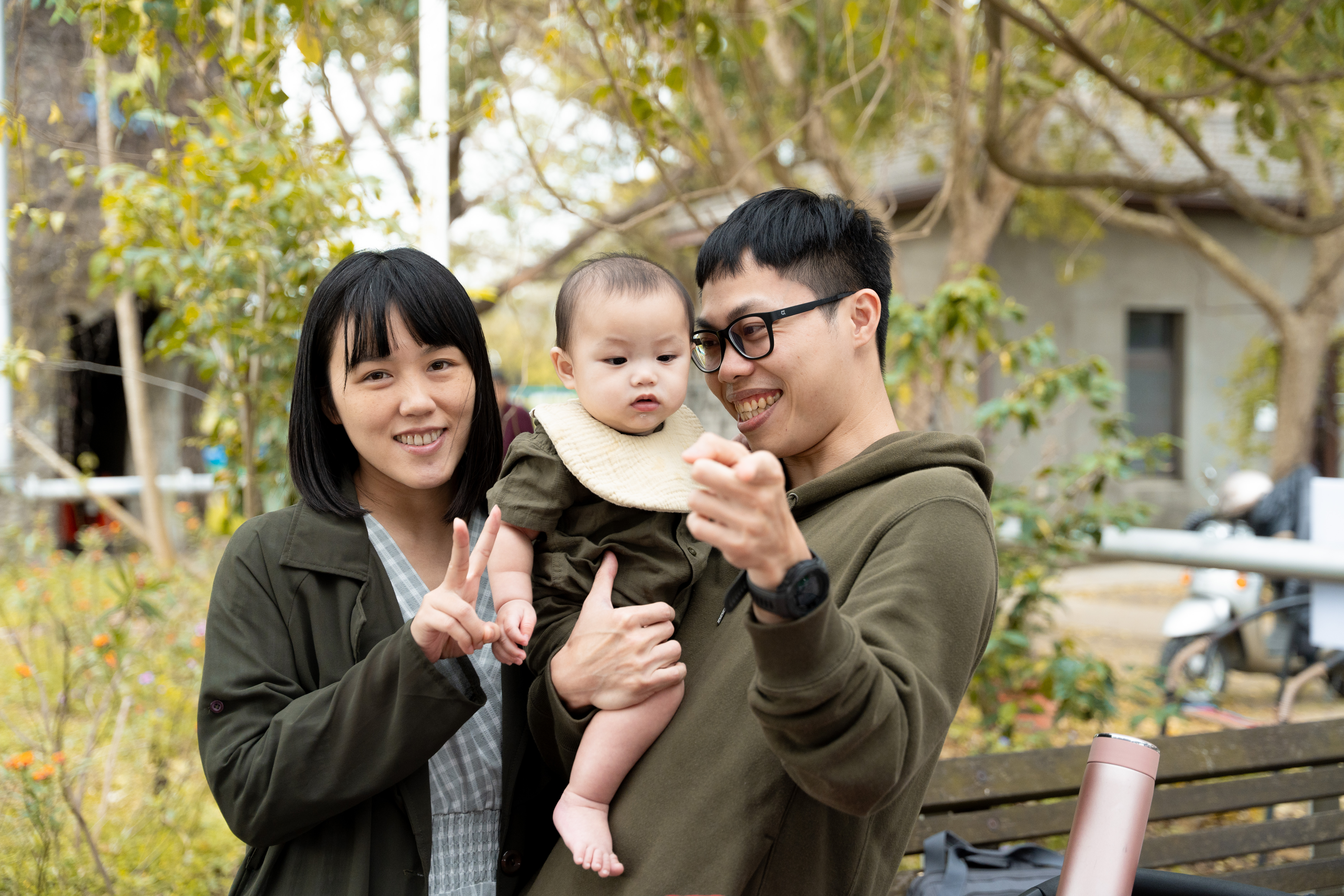
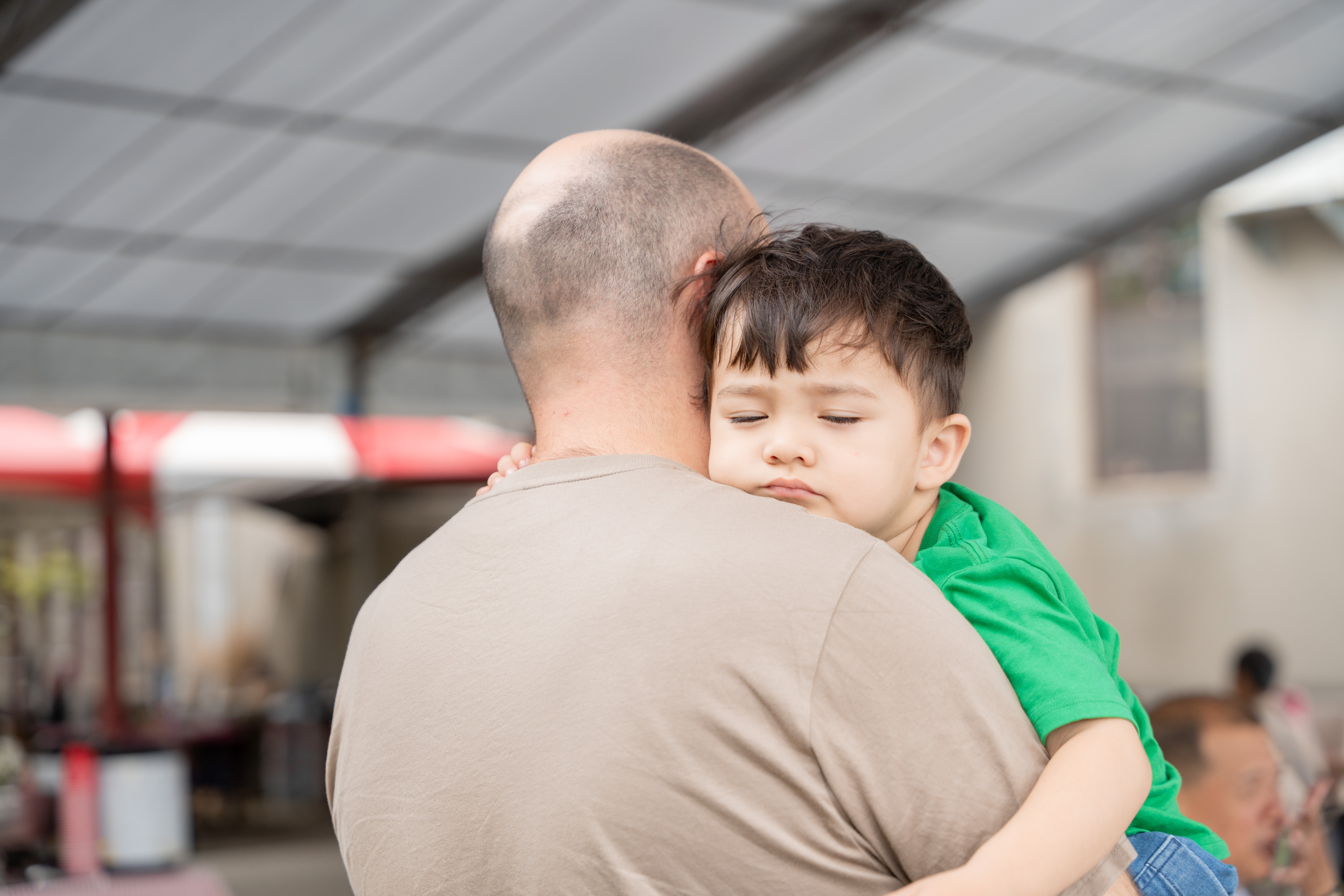
In the end, this party was also a huge success, and I believe everyone had a great time.



What Does it Mean?
This ceremony in Taiwan exemplifies how traditional practices can remain relevant and meaningful across centuries of social change. The ritual’s enduring appeal lies in its ability to serve multiple purposes simultaneously: it honors cultural heritage, strengthens family bonds, creates memorable celebrations, and offers a playful glimpse into a child’s potential future.
We didn’t spend too much time on this tradition. After all, no matter how old you get, the focus of a birthday should be fun. We just used it as an excuse to hang out with our friends. In the end, isn’t that all that matters?


















 Wander Not Lost