The more you praise and celebrate your life,
the more there is in life to celebrate.
The smell of grilled food fills your nose and the sound of happy chatter can be heard all around. Explosive pyrotechnic displays happen regularly, with fireworks exploding right above your house on occasion. This is not some kind of Fourth of July celebration, this is the new year holiday in Taiwan, and you’re in for a good time.
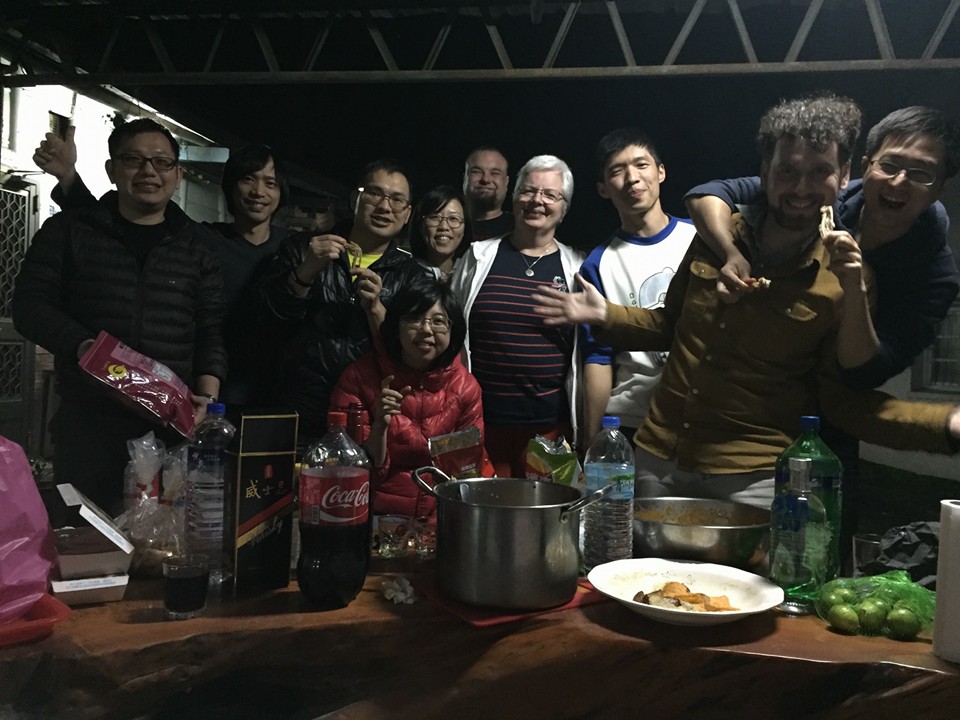
You can always tell when New Years is coming because the outsides of grocery and convenience stores fill up with boxes of cookies and other treats for easy gift-giving.

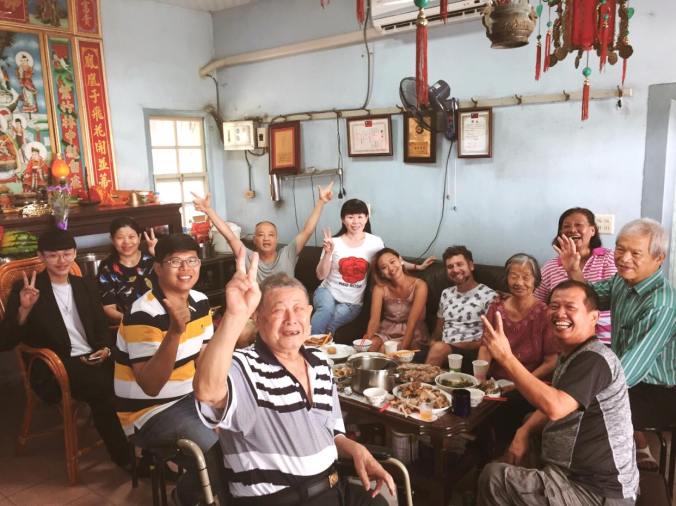
For me, this has generally been a time to get together with the families of friends or my in-laws. It almost always involves eating a lot, playing mahjong or dice gambling games, and sipping on some fine whisky or Kaoliang. But, it is obviously a lot more than that.
New Year’s in Taiwan is their longest yearly holiday (comparable to December’s winter break in Canada or the US – but most people only get one week off work). It is steeped in history. Since I am not entirely familiar with all the traditions, I’ve done some research to try and paint a more comprehensive picture of the festivities that goes beyond just my personal experiences.
What’s In a Name: Spring Festival, Lunar, Chinese, or just New Years?
To get started, you might want to know why the new year is celebrated at a different time in Taiwan. This all has to do with the various kinds of calendars.
The Gregorian calendar is the most common calendar, and what people generally find on their electronic devices or hanging on their walls. It is a solar calendar, and, as the name suggests, it tracks time based on Earth’s movement around the sun.
The Gregorian calendar is what gives us 12 months of varying length that make up a year of 365 days (366 on a leap year). According to this calendar, New Year’s Eve and New Year’s Day fall on the same days every year – December 31st and January 1st.
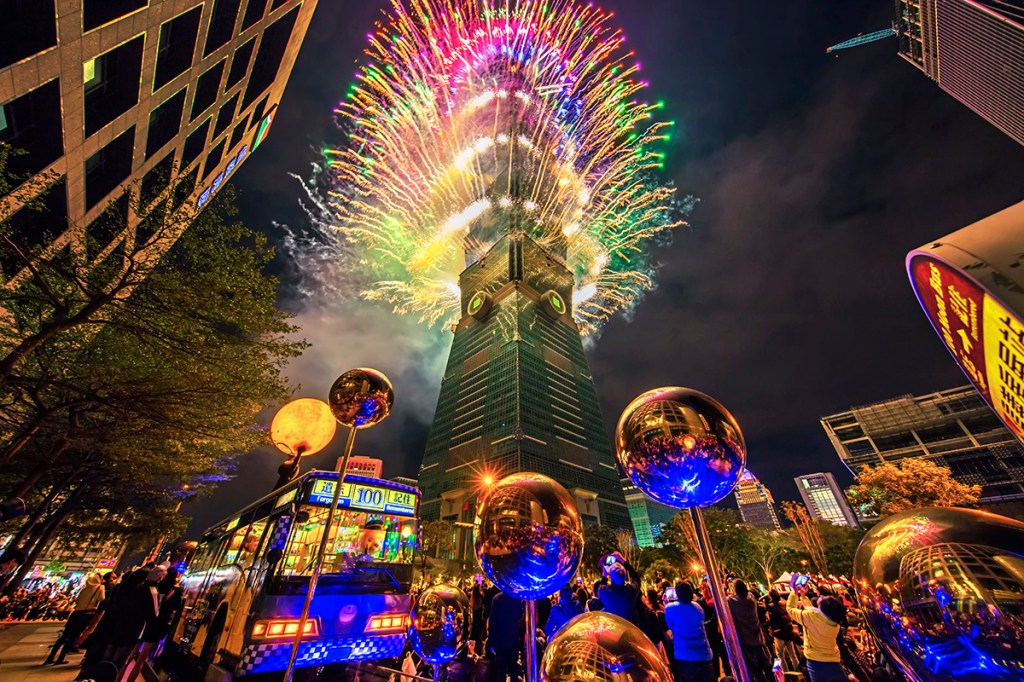
Taiwan celebrates this new year along with many other countries in the world. In fact, Taipei 101 has a mesmerizing fireworks display every year after the countdown, and January 1st is a national holiday.
However, the biggest New Year’s celebration in Taiwan happens following a lunisolar calendar, which tracks time based on the solar year and the phases of the moon. The Lunar New Year happens at different times each year, but it is generally celebrated on the second new moon following the winter solstice, which falls between late January and mid-February. It ends when that lunar phase has come to an end – around 15 days (half a lunation) later.
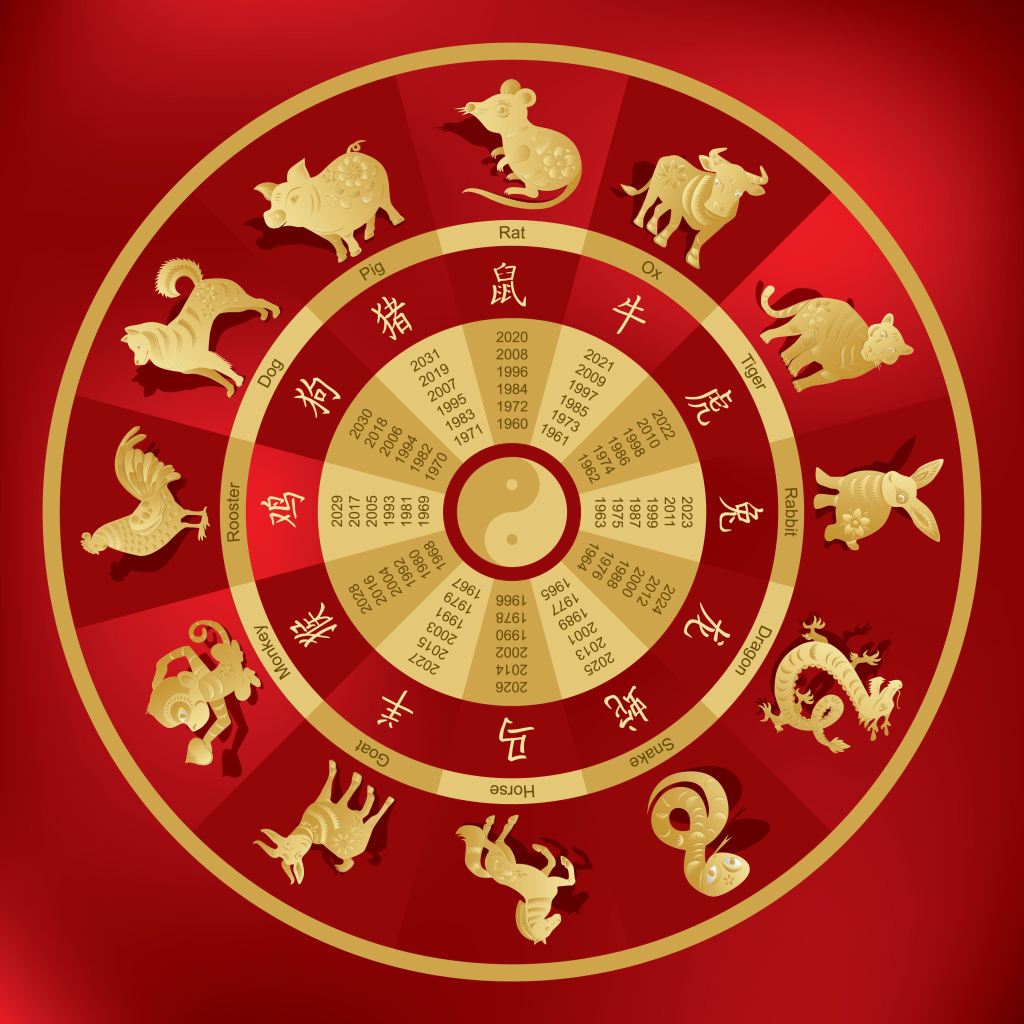
This is the Chinese zodiac, which differs from the Western zodiac inspired by Greek and Babylonian astrological traditions.
The Chinese zodiac doesn’t refer to star constellations, it follows the lunisolar schedule on a 12-year cycle. Each year is represented by a different animal – 2024 was the year of the dragon, and 2025 is the year of the snake.
There is a debate about what this holiday should be called (similar to conversations about saying Merry Christmas or Happy Holidays in the Western world). Some call it Chinese New Year, which is an acceptable term given that many of the traditions come from Chinese culture. After all, there were many times in history when China’s borders and influence extended far beyond what they do today.
The holiday is also occasionally called the Spring Festival because the time of year marks the beginning of spring on the traditional lunisolar calendar. In my experience, not a lot of people use this term but I do like the focus on spring that happens in Taiwan.
I used to live in a house surrounded by rice fields, and every year the farmers would plant cover crops of sunflowers, gerberas, chrysanthemums, and other pretty flowers. They would let these fields grow for a while, providing visitors with ample time to snap photos. When the holidays end, they would till the flowers back into the soil as a form of green manure.
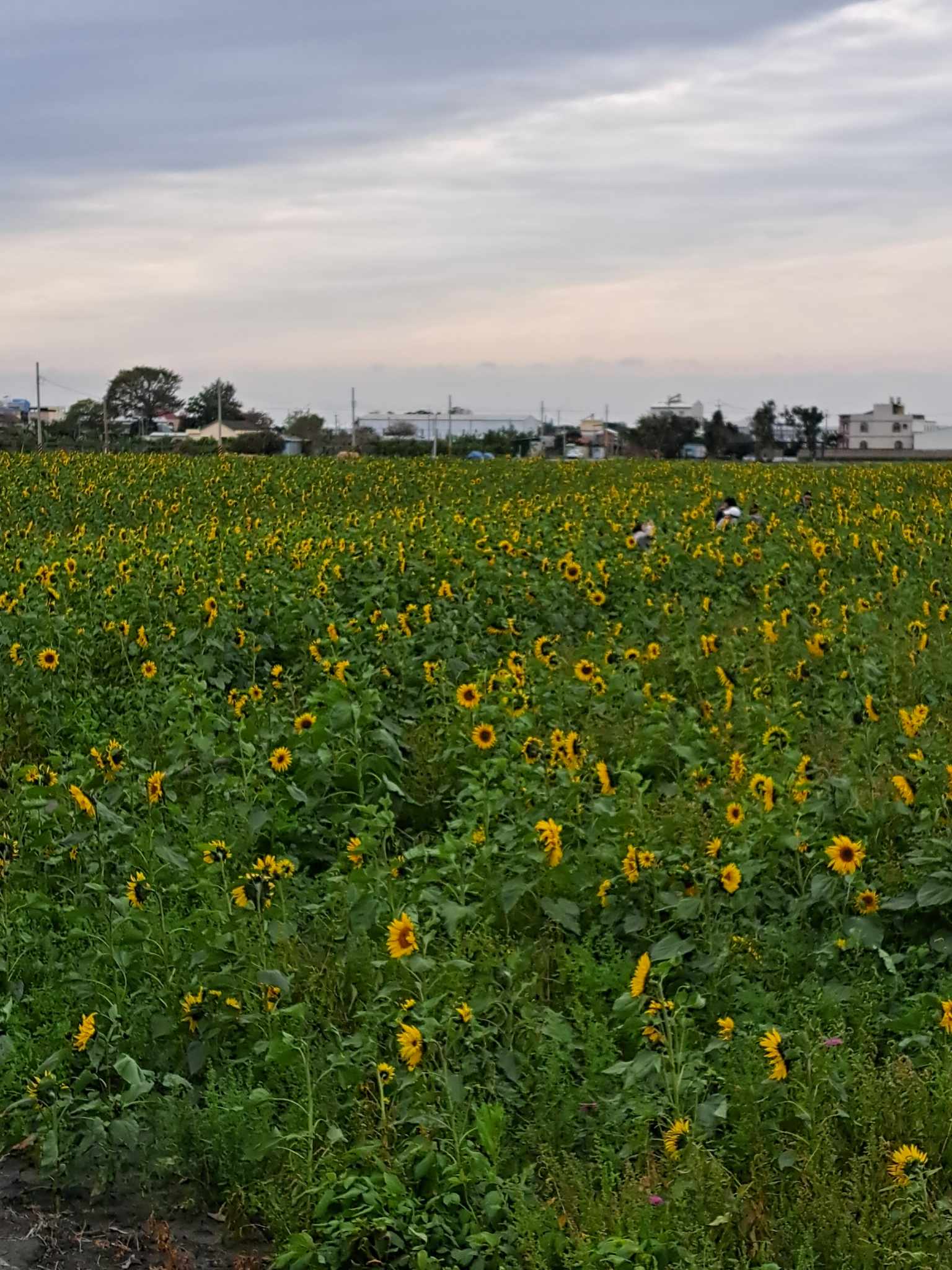

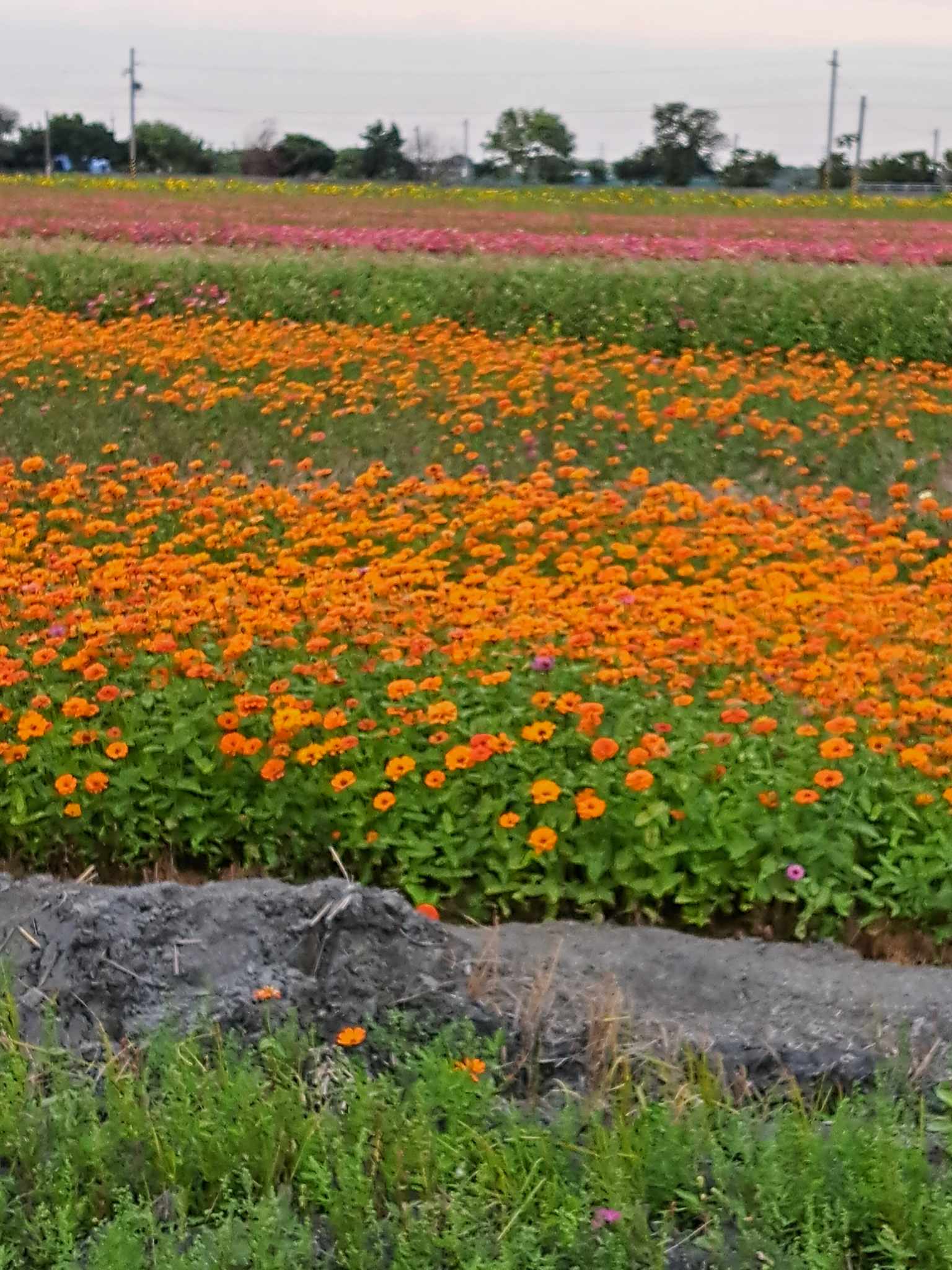
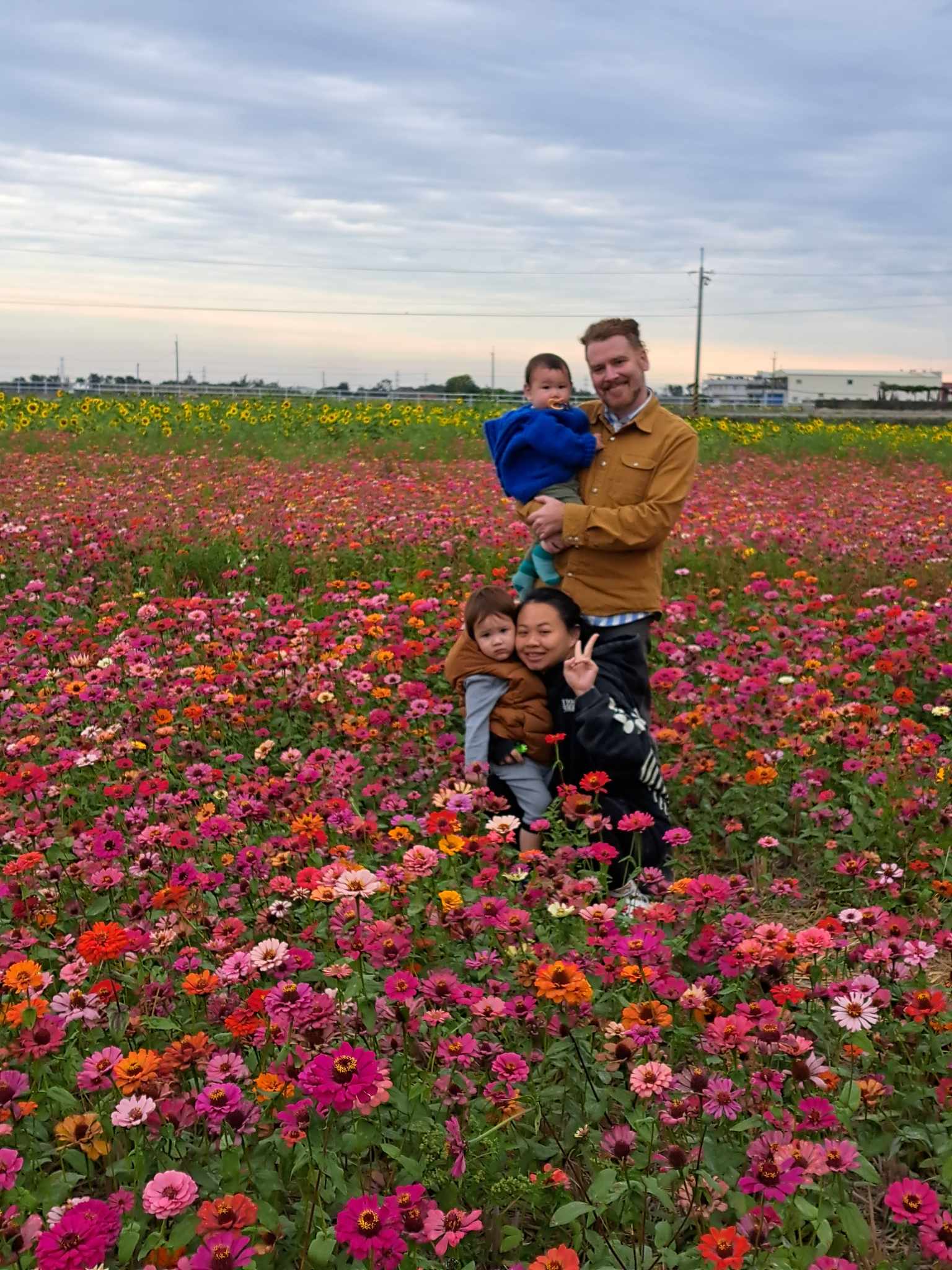

A lot of different Asian countries (including Taiwan) have their own unique ways of celebrating this holiday, and I’ve never lived in China, so I generally call it Lunar New Year or just New Year. The common phrase to say during this time is shin-knee-en kwie-luh (新年快樂), which just means happy New Year. In 2025, it fell on January 29th and the official holidays were from January 27th to February 2nd.
Lunar New Year in Taiwan: A Blend of Tradition and Modernity
This is a time for grand celebration and is deeply rooted in centuries of tradition that seamlessly weaves together ancient Han Chinese customs with distinct Taiwanese practices to create a unique cultural mosaic that defines the island’s heritage.
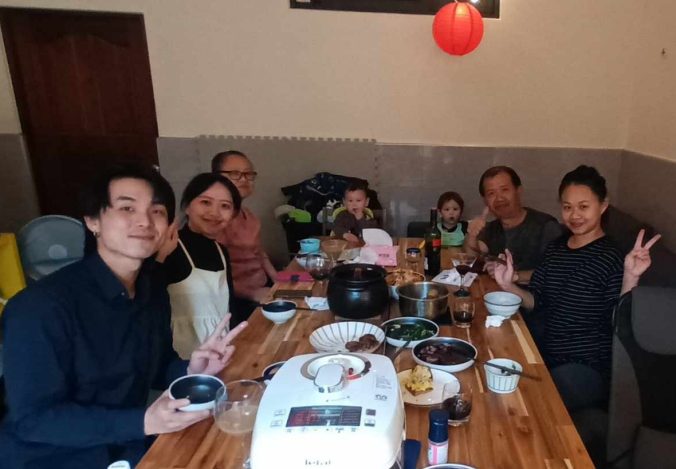
As I already mentioned, my experiences generally just involve family gatherings, eating, drinking, some mild gambling, and lots of merriment. But, this post will go a little deeper and explore some of the customs other (more traditional) people uphold.
Preparing for the New Year: A Time of Renewal
The preparations for Lunar New Year begin well in advance, with families engaging in the time-honored tradition of da-sow(sounds like female pig not plant a seed)-chew (大掃除), which just means a general cleaning.
Here’s where you’ll see everyone busy sweeping, decluttering, and washing everything. I witnessed my neighbor cleaning her screen door with a toothbrush (now that’s dedication). The father of some students I tutor got a little overzealous and threw out all the books we were working on – oh well.
The streets are lined with extra junk people plan to throw in the local garbage truck drive-bys. In smaller areas, you might see a trail of black smoke rising from a sneaky bonfire.


The rigorous chores represent more than just physical cleanliness; they symbolize sweeping away the previous year’s misfortunes and making way for incoming prosperity.
Every corner of the house must be spotless, every drawer organized, and every surface polished to perfection.
Businesses often mark the year’s end with elaborate dinners or banquets. These festive gatherings serve multiple purposes: expressing gratitude to employees for their hard work, strengthening company bonds, and invoking blessings for the upcoming year. The events often feature lucky draws and entertainment. While I have never worked a job that has hosted such elaborate parties, I have been treated to a few employee dinners.
A significant spiritual preparation occurs on the 24th day of the 12th lunar month when religious families bid farewell to their household deities.
This custom acknowledges the gods’ annual journey to heaven to report on earthly affairs. Families prepare elaborate offerings of food and incense, ensuring their divine protectors depart with proper respect and return with continued blessings.
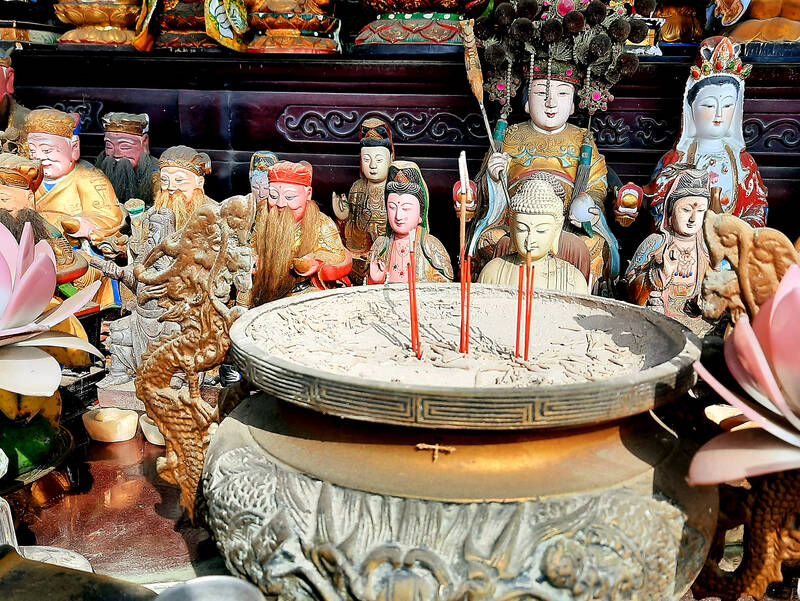
New Year’s Eve: A Night of Family Unity
The heart of the celebration lies in the dinners, where families of all generations gather around tables laden with various dishes.
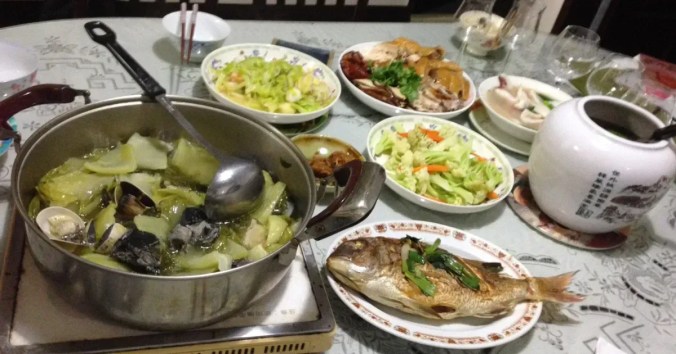
The careful selection of foods reflects hopes for the coming year: whole fish symbolizes abundance, dumplings represent wealth, and sticky rice cakes suggest rising prosperity and status.
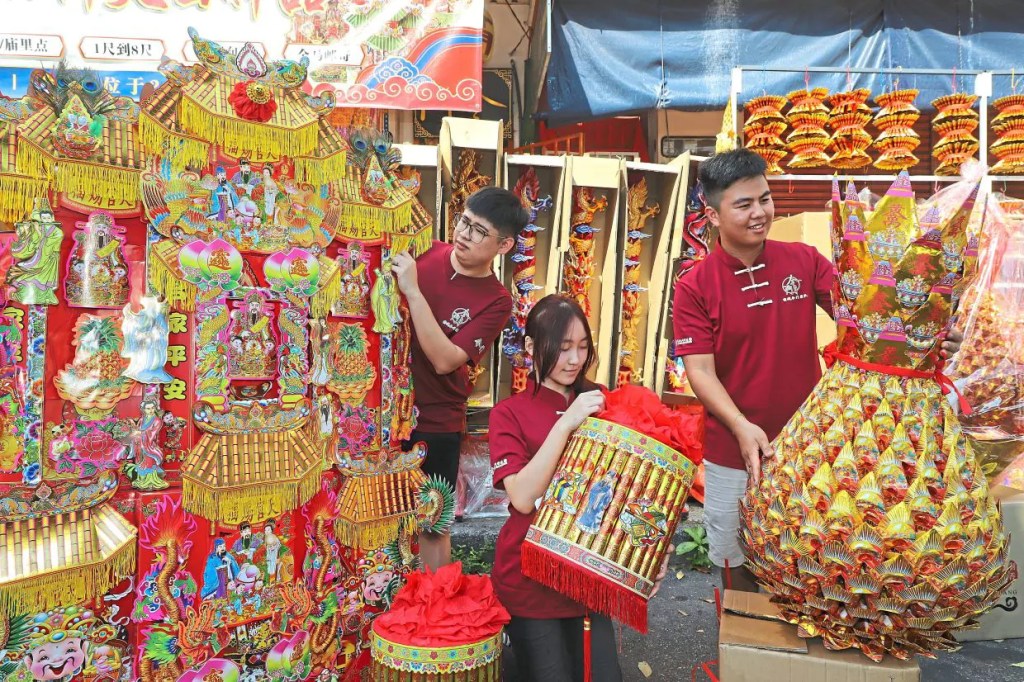
Homes transform into festive spaces adorned with bright red. Stores open up just at this time of year to sell decorations, gifts, fireworks, etc. Some people just sell them out of the front of their houses.
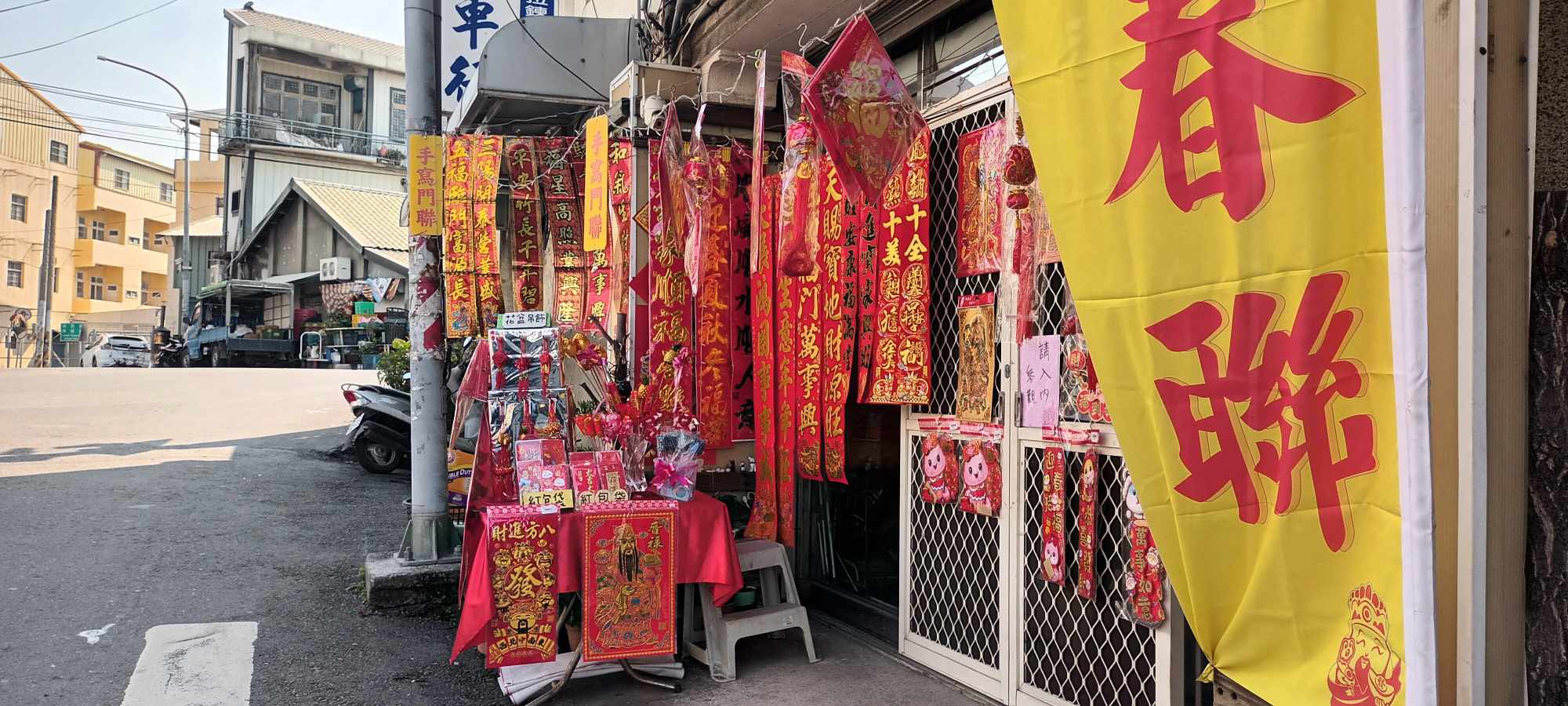

Families hang red couplets featuring phrases with gold lettering on their doorways and windows; red lanterns illuminate entrances. These vibrant decorations serve both aesthetic and spiritual purposes, creating a protective barrier against negative energies while inviting good fortune.
The tradition of staying awake past midnight – just like Western New Year’s Eve – remains a cherished practice. Children play or nap as families chat loudly, play games, or watch special New Year television programs (I’ve never seen the TV shows).
Four MANY hours leading up to midnight, people light off fireworks EVERYWHERE. While living across the street from a lovely park is generally enjoyable, the bombardment of explosions can get a little old after a while (especially when you have two little boys trying to sleep). That doesn’t stop me from going outside, standing in the middle of the street, and watching them.

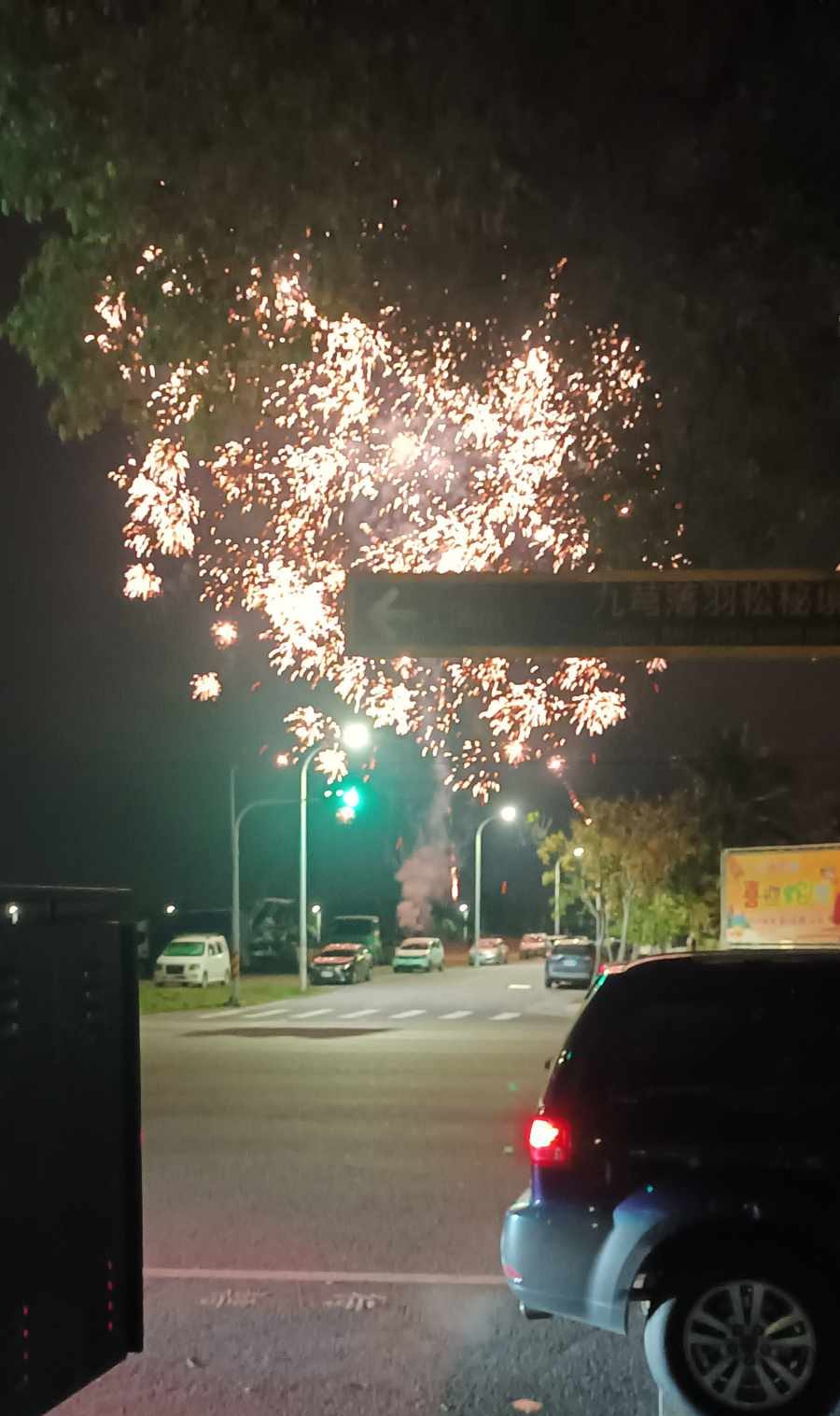
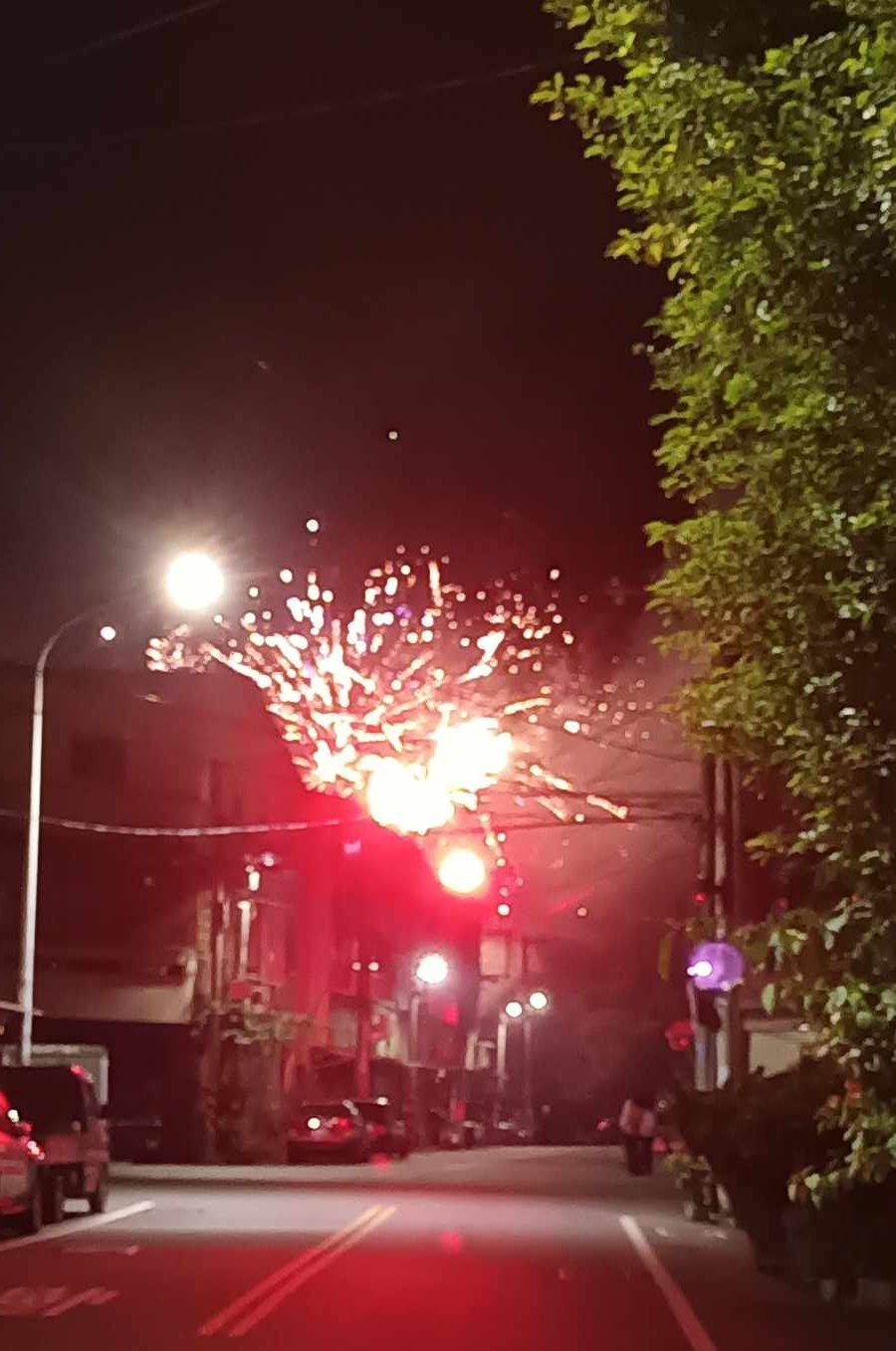
These lively late-night customs are not just for fun, they are believed to extend the life of one’s parents, adding a touching dimension to the festivities.
Fifteen Days of Celebration
While I have not observed many of these customs, each day of the New Year period carries its own significance for some.
On the first day, families don new clothes and visit local temples to pray for blessings. Sharp objects are stored away to avoid cutting off good luck, and cleaning is avoided to prevent sweeping away fortune – good thing the houses were already made spotless.

The second day highlights the importance of family ties, as married daughters return to their childhood homes. Since I live in my wife’s hometown, this is not much of a concern for us, but the tradition strengthens family bonds through the exchange of gifts.
The third day provides a welcome respite, as it’s considered somewhat inauspicious for visiting, allowing families to rest and recover from the festivities.
The fourth day marks the welcoming back of the deities, with fresh offerings and renewed prayers. By the fifth and following days, the practical aspects of life begin to resume as some businesses reopen.
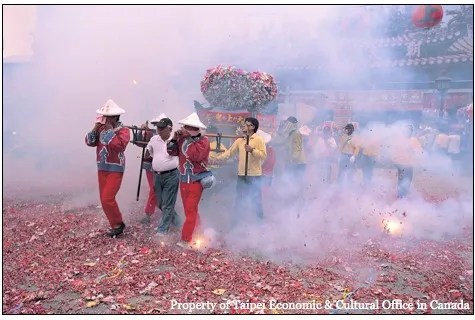
This time is often accompanied by – less visually appealing but equally noisy – firecracker displays at temples to attract prosperity and drive away evil spirits.
A highlight of the extended celebration occurs on the ninth day, particularly significant for Taiwan’s Hokkien community.
This day marks the Jade Emperor‘s birthday, celebrated with elaborate ceremonies and offerings that showcase the deep spiritual connections maintained in Taiwanese society.
A Mix of Modernity and Tradition
Modern celebrations have adapted while maintaining their cultural essence. The tradition of giving red envelopes called hong-bows(sounds like to bend at the waist out of respect, not something you use to shoot an arrow) (紅包) is quite common, and this is a tradition we uphold.


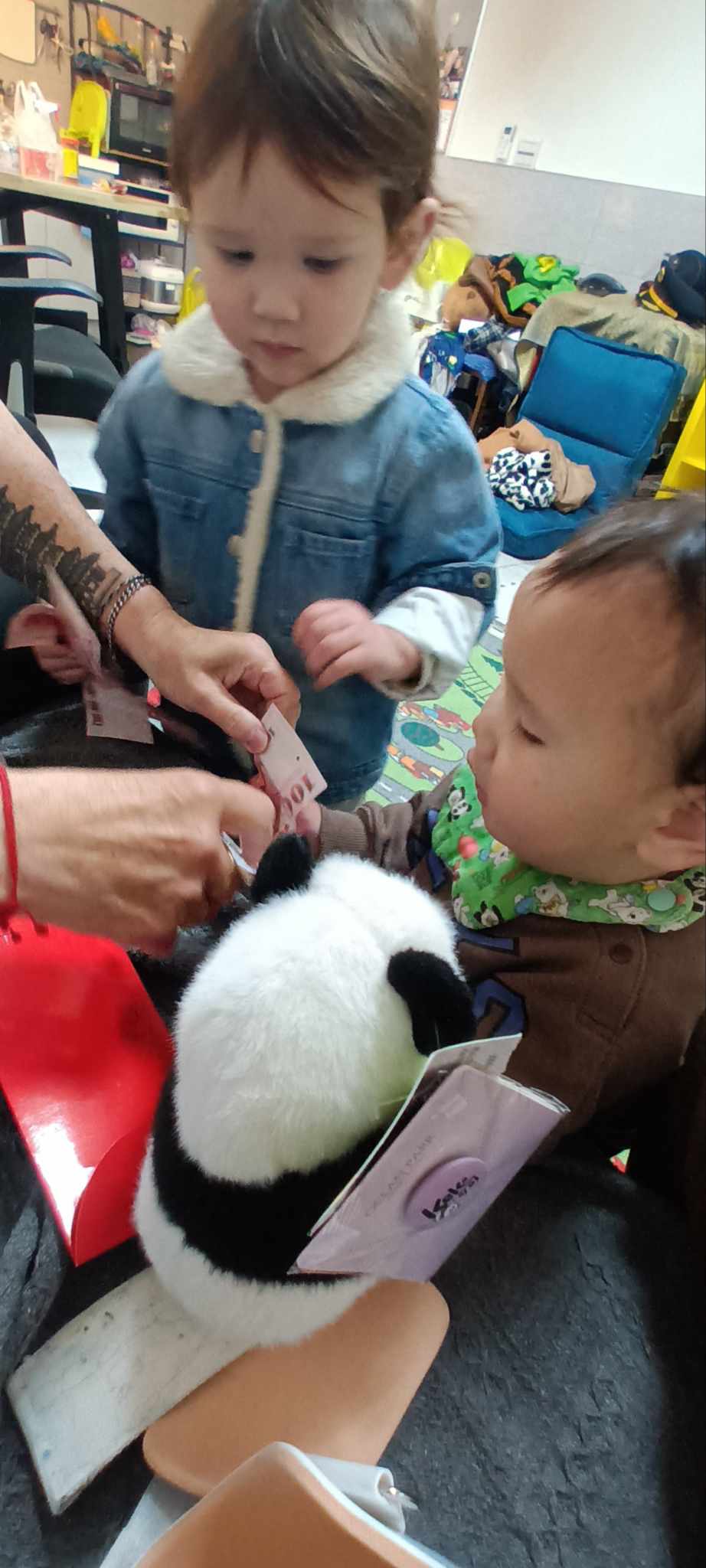
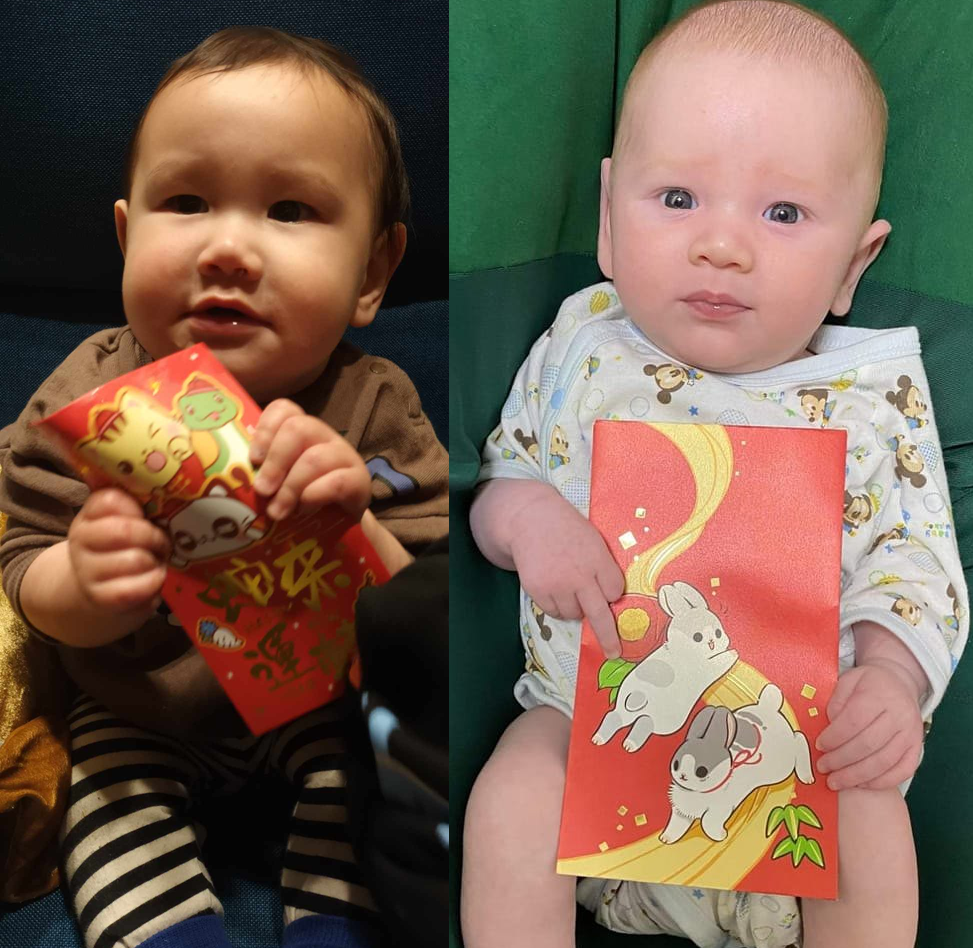
Generally, parents give red envelopes to their kids until they’ve been employed for a while. After that, everyone gives them to their parents and grandparents.
The giving of red envelopes also happens at weddings, birthdays, and the arrival of new babies. It has expanded beyond family to include various social and professional relationships. It isn’t uncommon for a valued employee to receive one month’s (or more) salary in a red envelope before the New Year’s holiday. I have never been this lucky, but some employers have given me small amounts over the years.
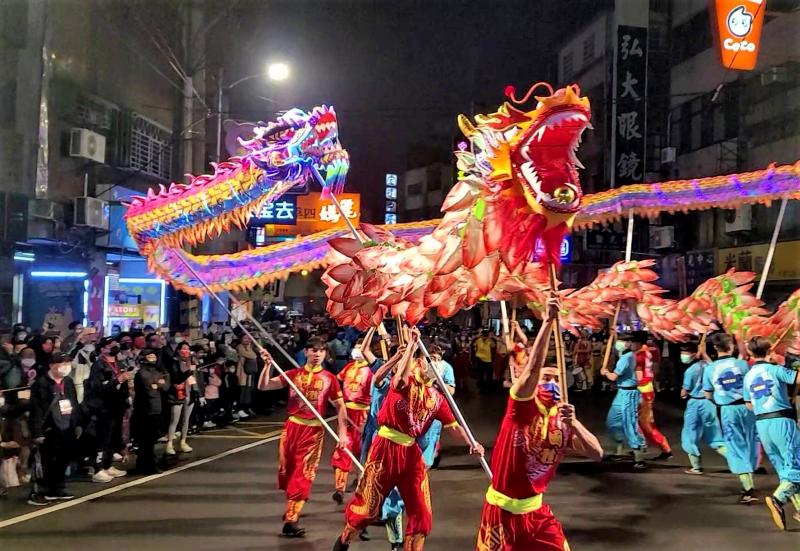
During the holidays, you can also see lion and dragon dances enlivening public spaces, with professional troupes running around shopping centers and corporate events.
These performances maintain their traditional purpose of bringing prosperity while adapting to contemporary settings and audiences.
A Living Heritage
No matter how you choose to participate, the New Year’s celebrations in Taiwan exemplify how traditions can remain vibrant and meaningful in a modern society. While the core elements of family unity, spiritual devotion, and cultural preservation remain strong, the festival continues to evolve, incorporating new practices while honoring ancient customs.
It doesn’t matter where you come from, it isn’t hard for any foreigner or local to find a full glass, stuffed tummy, and plenty of smiling faces in Taiwan during this time – as long as you don’t mind a few crowded venues and traffic jams.
 Wander Not Lost